Lower bills you can actually calculate the payback on.
The 2022 Inflation Reduction Act made solar, insulation, and heat pumps materially cheaper through 2032 — but only if you know which credits stack and which contractors qualify. A blower door test costs four hundred dollars and shows you exactly where heating dollars escape. Solar payback ranges from six to fourteen years depending on roof orientation and net-metering rules in your state. We map the math.
What a Energy & Efficiency Project Can Include
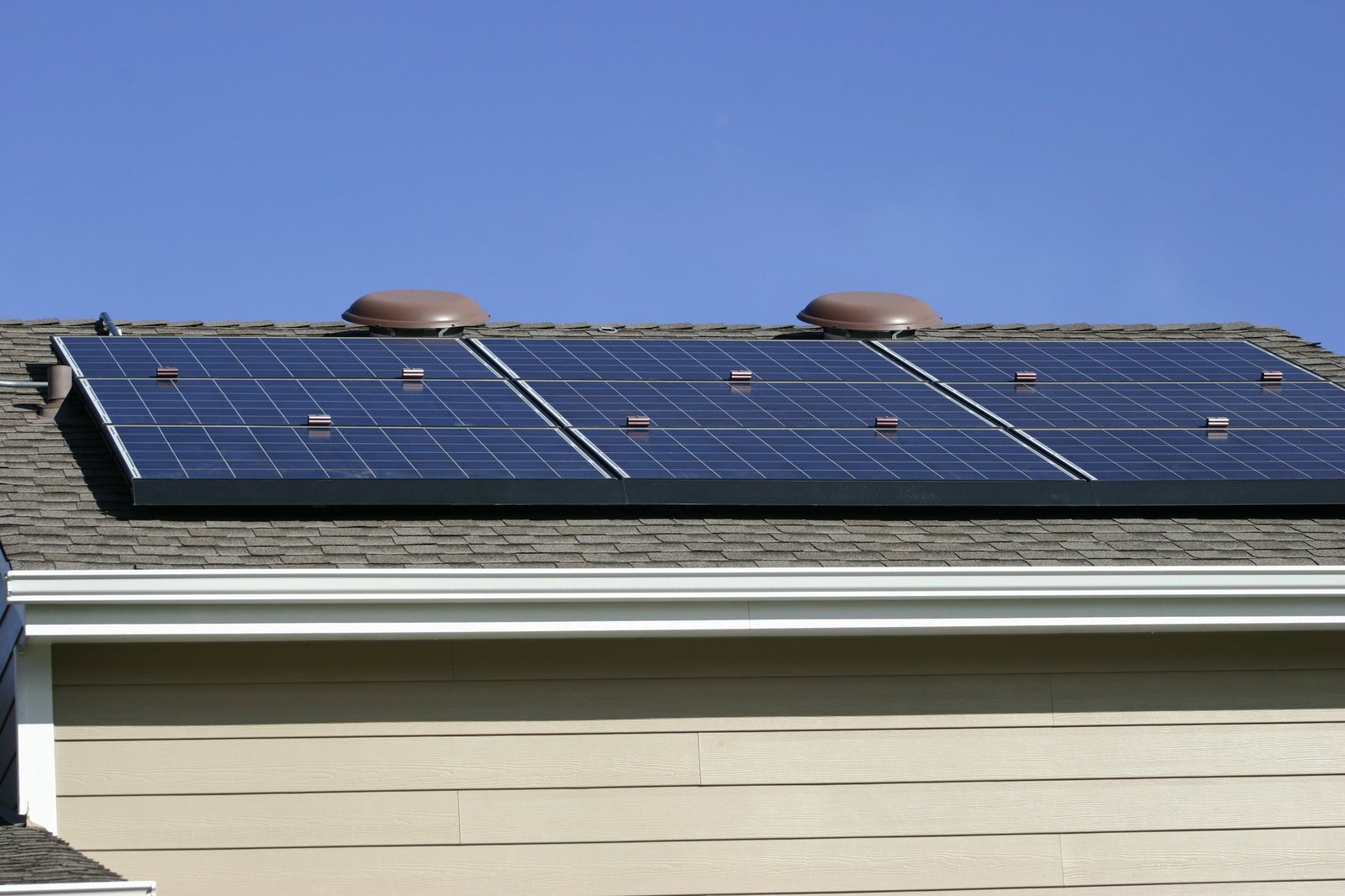
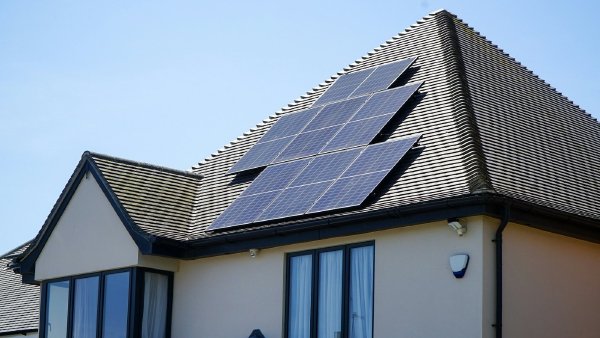
Residential Solar
Rooftop PV systems, ground mounts, battery storage, and off-grid configurations. The 2025 expiration of the federal §25D credit shifted economics back to state rebates, SREC markets, and local net metering — payback now varies by ZIP code, not just sunshine.
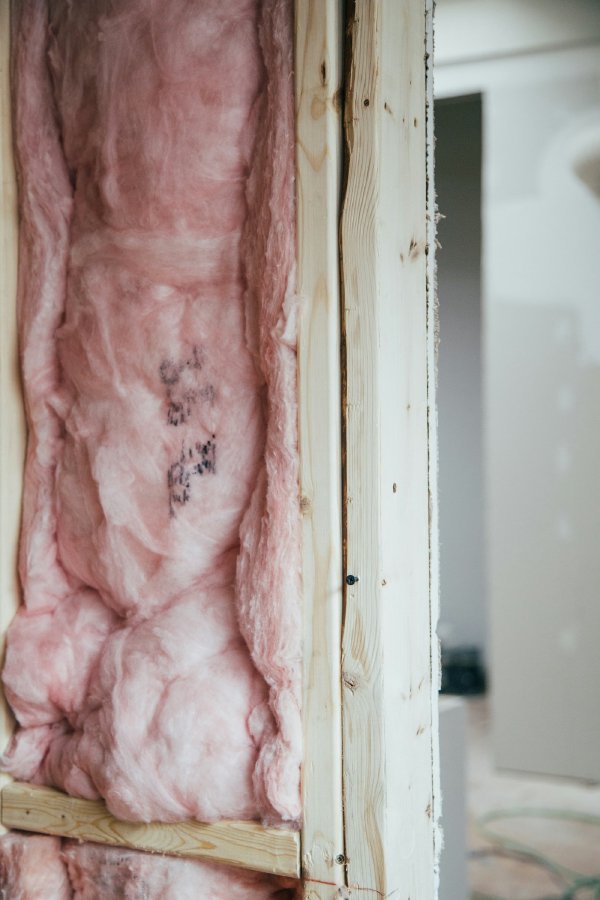
Insulation and Air Sealing
Attic, wall, basement, garage, and crawl space insulation plus air sealing and weatherization. Highest-ROI envelope upgrade for most homes; HEAR rebates and utility programs cover 50–100 percent for income-qualified households in many service areas.
Energy Audits and Diagnostics
Blower door testing, infrared thermal imaging, duct leakage testing, and full home performance audits. An audit identifies where heating dollars actually leak so the next upgrade pays back instead of guessing at scope.
Rebates and Tax Credits
IRA Section 25C credit (now expired for most paths), HEAR rebates up to fourteen thousand for income-qualified households, HOMES performance rebates, utility weatherization programs, and state-administered solar incentives. Stacking rules vary.
Common Questions from Homeowners
What's the highest-ROI energy upgrade?
Air sealing and attic insulation, in that order. Sealing the attic plane and topping insulation to R-49 or R-60 typically pays back in 3–7 years and requires no ongoing maintenance. Solar and heat pumps pay back longer but address bigger fractions of the bill.
Did the 30 percent solar credit really end?
Yes. The federal §25D residential clean energy credit applied to systems placed in service through December 31, 2025. Solar economics in 2026 depend on state-level credits, SREC markets where they exist, and local net-metering rules. The credit didn't take payback to zero — it just lengthened it.
Is a blower door test worth four hundred dollars?
Almost always. The test quantifies your air leakage in cubic feet per minute and identifies the largest leak paths. A homeowner who skips the audit usually overspends on insulation while the leaks remain. Most utility programs reimburse the cost when paired with weatherization.
Energy & Efficiency Sub-categories
Explore deeper guides on specific energy & efficiency topics.
Energy & Efficiency Articles
In-depth guides on specific energy & efficiency topics.
Energy & Efficiency FAQ
Size to your last twelve months of kWh consumption — not a square-footage rule. Most homes land between 5 and 10 kW. Oversizing past 110–120 percent of consumption rarely pays back because net metering rates step down once you become a net producer.
Not yet. Funding flows through state energy offices and the rollout has been uneven through 2026. Check your state's Department of Energy or housing-services office for current eligibility. Income limits are tied to area median income, not federal poverty thresholds.
Cold-climate heat pumps now hold capacity below zero degrees Fahrenheit and pair well with a small backup. In moderate climates a heat pump plus electric strip backup is often cheapest over a 15-year horizon. In severe cold without ducted distribution, dual-fuel with a gas furnace remains the practical choice.
Net metering credits the kWh you export to the grid against the kWh you import. States with full retail net metering produce the fastest solar payback. States with avoided-cost compensation pay roughly a quarter as much for exports — payback can stretch past twelve years there even with state rebates.