The highest-ROI envelope upgrade most homes can make.
Insulation is the highest-ROI envelope upgrade most homeowners can make, and it's also where the federal Section 25C credit used to send a 30 percent tax break before the One Big Beautiful Bill Act killed that path on December 31, 2025. The 2026 cost-cutters are HEAR rebates up to $1,600 for income-qualified households, state-administered HOMES performance rebates, and utility weatherization programs that pay 50–100 percent of insulation cost in many service territories.
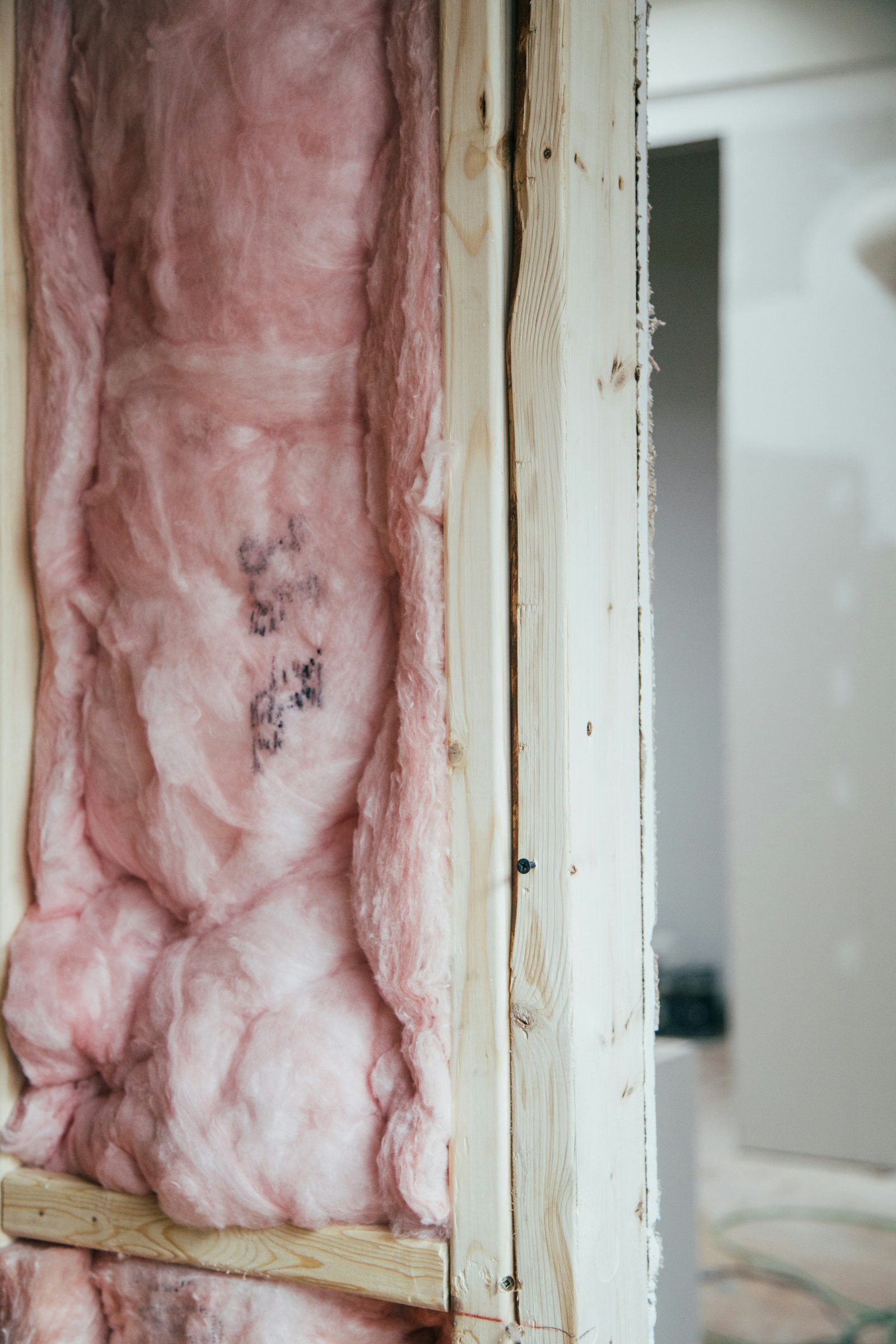
What a Insulation & Air Sealing Project Can Include
Attic Insulation
Blown-in cellulose, fiberglass batts, and spray foam in the attic plane. Climate zone determines target R-value — R-49 to R-60 across most of the U.S. Air sealing the ceiling plane before adding insulation is where most retrofits skip the highest-impact step.
Wall, Basement, and Crawlspace Insulation
Dense-pack cellulose blow-in for closed walls, rim joist insulation, basement wall and crawlspace encapsulation. Crawlspace work without a vapor barrier and air seal is half a job; a true encapsulation usually pays back through HVAC savings within 5–8 years.
Spray Foam and Air Sealing
Closed-cell and open-cell spray foam, plus air sealing with caulk, foam, and weatherstripping. Closed-cell adds structural rigidity and acts as a vapor barrier; open-cell is cheaper and more forgiving in retrofits. Choosing the wrong type is a five-figure mistake.
Garage and Specialty Insulation
Attached and detached garage walls, ceilings, doors, and slab edges. Insulating an attached garage's ceiling matters most for the bedroom above it; an unconditioned detached garage rarely pays back insulation unless it's used as a workshop.
Common Questions from Homeowners
What R-value do I actually need?
Climate zone drives the answer. Department of Energy targets are R-49 to R-60 for attics across most of the country, R-13 to R-21 for walls, and R-25 to R-30 for floors over unconditioned space. Adding past the target rarely pays back — air sealing usually does instead.
Spray foam or blown cellulose?
Open-cell spray foam runs roughly twice the cost of dense-packed cellulose at equal R-value. Closed-cell costs three to four times. Foam earns its premium when air sealing and insulation must happen in one pass — like a vaulted ceiling. Cellulose wins on flat attics by a large margin.
Is a blower door test required?
Required by program rules for HEAR and HOMES rebates, plus most utility weatherization paths. Optional for cash-pay jobs but strongly worth the $300–$500: it tells you which leak paths matter and whether you're paying for insulation that's working.
Insulation & Air Sealing FAQ
Attic batts and air sealing — yes, with safety gear. Blown-in attic insulation — borrowed machines are okay if you know your climate-zone target. Spray foam — no, it requires PPE, training, and proper substrate temperature; misapplication causes off-gassing problems and removal jobs that run five figures.
Home Electrification and Appliance Rebates from the IRA, administered by states. Income-qualified households (under 80 percent of AMI) can get 100 percent of insulation cost up to $1,600. Households at 80–150 percent AMI get 50 percent. Check your state energy office for current rollout.
Only if installed without addressing air sealing and ventilation. Insulating a leaky attic without air sealing first traps moisture in the attic plane, condensing on cold surfaces. A proper retrofit air-seals first, insulates second, and respects existing ventilation paths.
Typical heating-and-cooling savings from a complete attic retrofit are 10–20 percent of the annual HVAC bill. A leaky old home can see 25–35 percent. Wall and basement upgrades add another 5–15 percent. Annual dollar savings depend more on your starting envelope than on the upgrade scope.