Payback math that survives the post-credit market.
The federal 30 percent solar credit died December 31, 2025 with the One Big Beautiful Bill Act. A 2026 install is now priced against state rebates, SREC markets, and net metering rules that vary by ZIP code, not against a flat federal kicker. We map what an installation actually costs after the federal credit, where the value still lives, and how payback math now runs six to fourteen years depending on which state you're in.
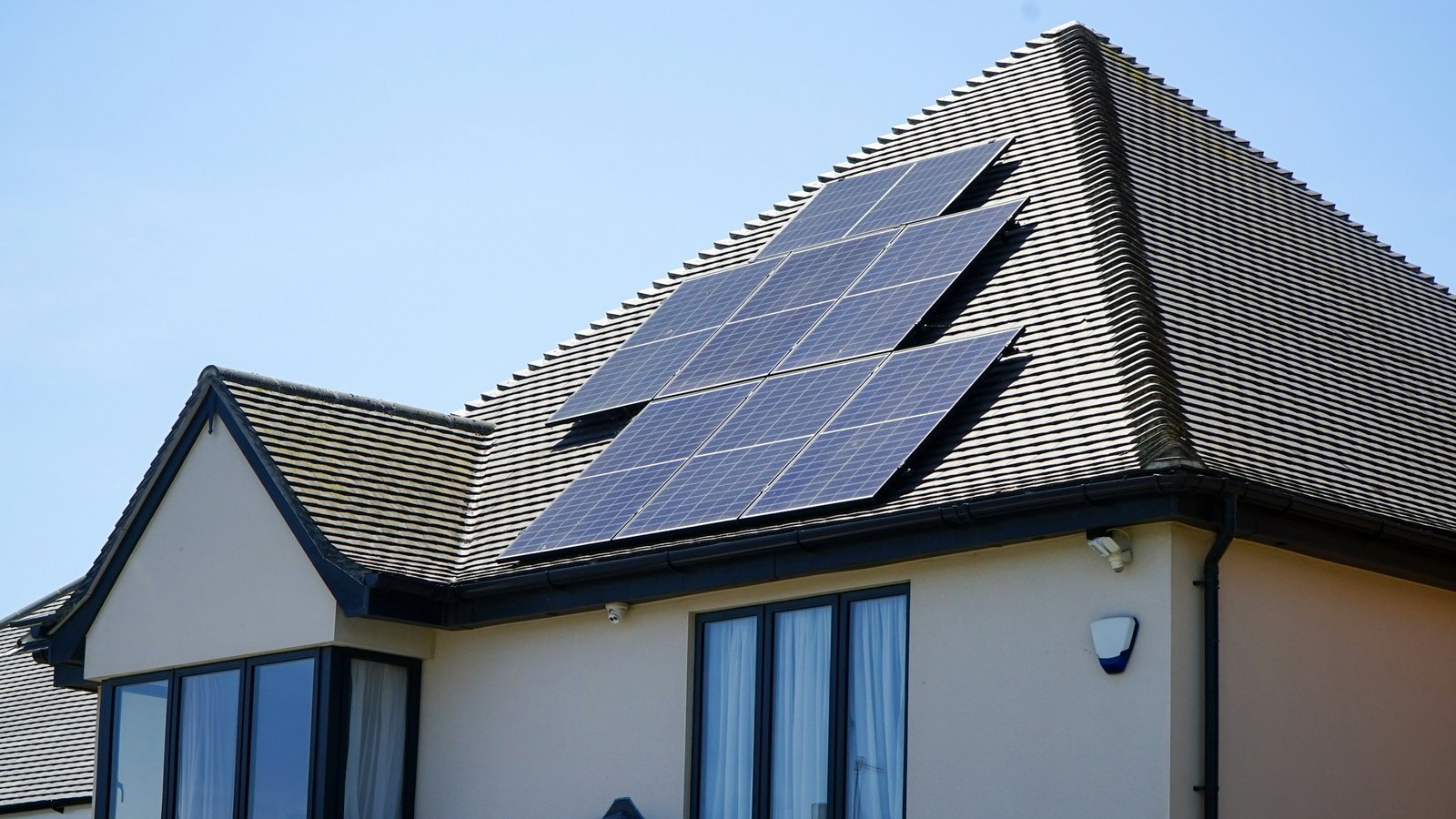
What a Residential Solar Project Can Include
Rooftop and Ground-Mount PV
Residential photovoltaic systems sized to twelve months of household consumption. System cost runs $2.50–$4.00 per watt installed in 2026 depending on equipment tier, roof complexity, and state. Ground mounts cost more per watt but unlock orientations rooftop can't reach.
Battery Storage
Tesla Powerwall, Enphase IQ Battery, Franklin aPower, and other home batteries paired with solar or standalone. Storage economics split between backup (avoiding outages) and arbitrage (using stored solar in peak hours) — backup payback is rarely positive on math alone.
Off-Grid and Specialty
Off-grid solar systems with battery banks and generator backup, solar pool heaters, solar thermal water heaters, and solar removal during roof replacement. Off-grid only pays back where utility extension cost exceeds twenty thousand.
Solar and Roofing Coordination
Temporary panel removal during roof replacement, re-installation, and warranty handling. Re-roofing under existing panels typically adds $1,500–$4,000 for removal and reinstall — plan a re-roof and a solar install together if the roof is under ten years out.
Common Questions from Homeowners
Is solar still worth it without the federal credit?
Often yes, but payback stretches. In states with full retail net metering and active rebate programs (Massachusetts, New York, Illinois, parts of California), payback runs 6–9 years. In states with avoided-cost compensation and no rebates, 10–14 years is realistic. Run state-specific math before signing.
How big a system do I need?
Size to your last twelve months of kWh consumption. Most homes land between 5 and 10 kW. Oversizing past 110–120 percent of consumption rarely pays back — net metering rates often step down for net producers. Future load (EV, heat pump) is worth modeling now, not later.
Lease, PPA, or buy outright?
Cash purchase has the best return — full ownership, all incentives, no escalators. Loans work if the rate is competitive and the term shorter than panel life. Leases and PPAs minimize upfront cost but cap your savings and complicate home sales. Read the escalator clause carefully.
Residential Solar FAQ
Systems placed in service through December 31, 2025 keep the 30 percent credit on their original install year's tax return. The credit doesn't expire backward — only forward. SREC obligations and net metering grandfathering depend on state rules, not federal law.
Most asphalt-shingle roofs in good condition do. Tile and slate roofs require specialized mounts. A roof under ten years from end-of-life should be replaced before solar — the cost of removing and reinstalling panels for a re-roof typically exceeds the cost of replacing the roof first.
Solar Renewable Energy Certificates are tradable credits earned per megawatt-hour produced. Active markets exist in New Jersey, Massachusetts, Pennsylvania, Maryland, DC, and Ohio. SREC value changes monthly — a 5–10 kW system can earn $200–$2,000 annually depending on market conditions.
Not for grid-tied operation. Batteries become valuable when net metering is unfavorable, when outages are frequent and long, or when your utility offers favorable time-of-use rates. Battery payback on math alone usually runs 12–20 years; the value is reliability, not arbitrage.