Heating, cooling, ventilation that actually fits the house.
HVAC is the biggest mechanical investment in most homes. A wrong-sized furnace runs cold rooms for twenty years; a wrong-sized AC inflates summer bills by thirty percent. We break down what drives a $5,000 versus $15,000 install quote, when repair beats replace, and how to read the difference between a Manual J load calc and a contractor's eyeball estimate.
What a HVAC Project Can Include
Furnace and Boiler
Gas, oil, electric, and high-efficiency upgrades. Installation depends on existing venting, gas line capacity, and whether the duct system was sized for the new BTU output. Replacement is rarely a like-for-like swap once efficiency tiers change.
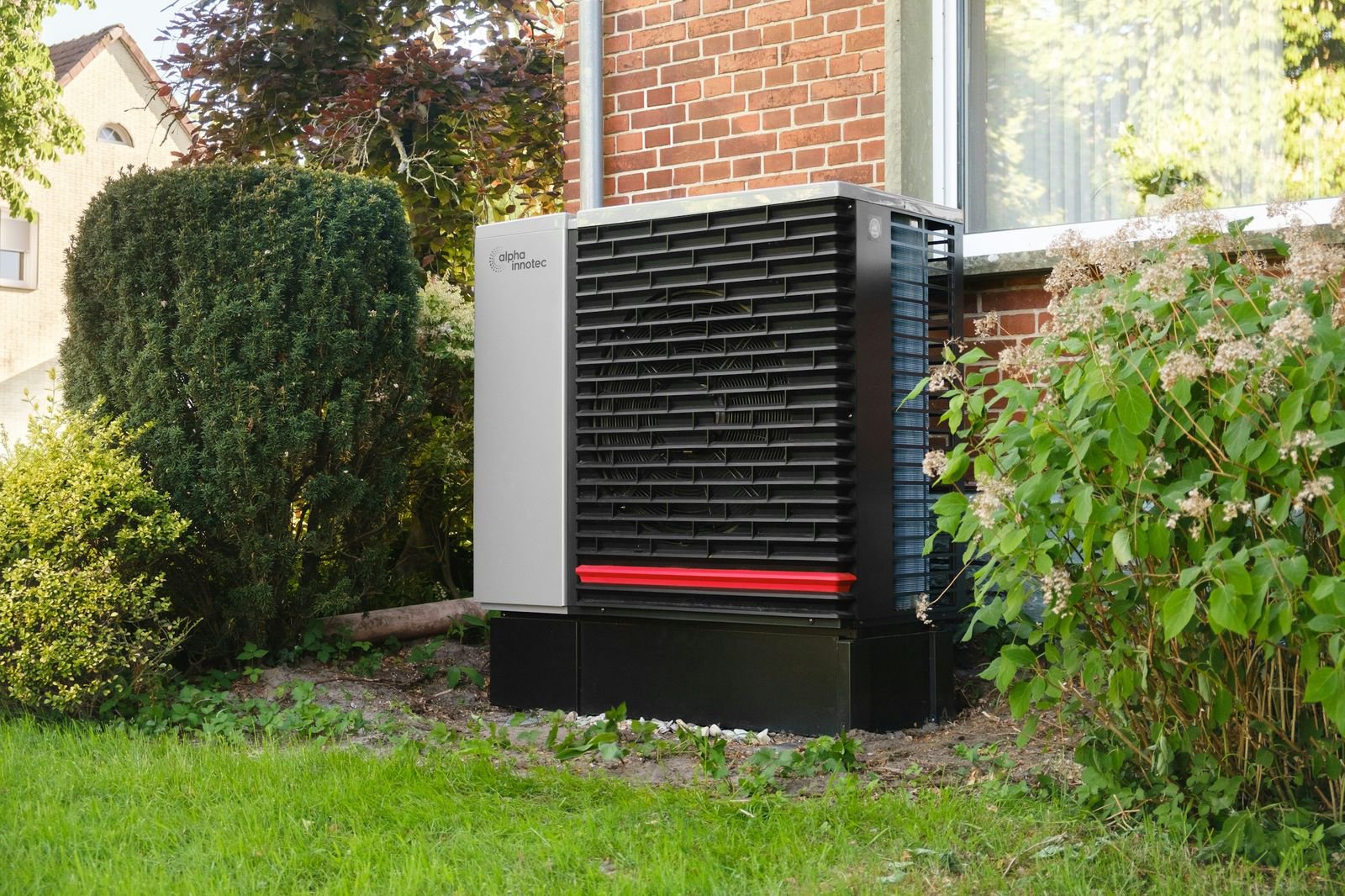
Central AC and Heat Pumps
Air-source heat pumps, ground-source systems, cold-climate models, and conventional split AC. Sizing requires a Manual J load calc — not a tonnage rule of thumb. Refrigerant type, line-set length, and SEER tier all drive the bid.
Mini-Splits and Zoned Systems
Ductless multi-zone heat pumps for additions, attic conversions, and homes without ducts. Each indoor head adds labor; outdoor unit capacity must match the combined head load, not the room sum.
Water Heaters and Ductwork
Tank, tankless, hybrid heat-pump water heaters, plus duct repair, sealing, and replacement. Duct leakage routinely loses 20–30 percent of conditioned air; a Manual D-style design matters as much as the equipment.
Common Questions from Homeowners
When does repair beat replacement?
If the unit is under ten years old and the failed component is a single capacitor, contactor, or blower motor, repair almost always wins. Past fifteen years, with refrigerant leaks or a cracked heat exchanger, the math shifts toward replacement because efficiency gains and warranty resets compound.
How do I read a load calculation?
Manual J accounts for square footage, insulation, window orientation, infiltration, and climate zone. A real load calc produces a heating BTU number and a separate cooling tonnage number — not one combined figure. If a contractor sizes by square footage alone, the equipment will short-cycle in shoulder seasons.
Why do quotes vary so much?
Equipment tier, refrigerant type, ductwork modifications, electrical service capacity, and whether the contractor includes a permit and post-install commissioning. A clean low quote that omits commissioning typically costs more in year-one comfort calls than the savings.
HVAC Articles
In-depth guides on specific hvac topics.
Air duct cleaning runs $300 to $1,000 and dryer vent cleaning $130 to $200 in 2026. NADCA and EPA guidance, plus how to spot the $99 scam.
Ductless AC installation in 2026: $3,500–$7,500 single-zone, $6,000–$20,000 multi-zone. Indoor unit types and rebates after the §25C repeal.
Heat pump repair costs in 2026: $400 average, $150 to $3,500 by part. Brand-by-brand failure modes for Mitsubishi, Trane, Carrier, Lennox, Goodman, more.
Heat pump costs in 2026: $5,500–$15,000 ducted, $25,000+ ductless multi-zone. HSPF2, R-454B, sizing, and what changed when the §25C credit died.
AC compressor repair runs $1,300 to $2,800 in 2026, capacitor replacement $250 to $400. The decision rule that tells you when neither one is the right answer.
Central air conditioner installation runs $5,500–$12,500 in 2026. Real pricing, Manual J sizing, R-454B transition cost, and where rebates moved.
Furnace installation runs $3,800 to $12,000 in 2026 by AFUE tier and fuel type. Real numbers for gas, oil, electric, and propane with retrofit add-ons.
Furnace repair runs $125 to $480 average in 2026, $89 to $150 to diagnose. Real per-part pricing for ignitor, flame sensor, inducer, board, and gas valve.
What a gas furnace repairman charges in 2026 for the gas-side work most cost guides skip: CSST connectors, manifold pressure, vent, condensate neutralizer.
A furnace tune up near me runs $80 to $250 per visit in 2026. The real combustion-analysis checklist, what cheap techs skip, plus how to spot a sales call.
HVAC system maintenance plans run $150 to $800/yr by tier. Here's what each tier delivers, which OEM warranties demand it, and the contract gotchas.
HVAC contracting covers everything from $89 service calls to $28,000 system replacements. Here's what each service costs and how to vet a real pro.
HVAC system repair runs $89 to $250 to diagnose and $200 to $3,500 to fix. Here's what each common failure costs, what's an upsell, and when to replace.
HVAC maintenance service runs $150 to $350 per visit and $200 to $500 annually for plans. Here's what a real tune-up covers, and when to skip it.
HVAC FAQ
Furnaces typically run 15–20 years, central AC and heat pumps 12–15 years, boilers 20–30 years, and water heaters 8–12 years for tank models or 15–20 for tankless. Maintenance — annual filter changes, coil cleaning, and refrigerant checks — pushes the upper end of each range.
In most jurisdictions, yes. Permits cover gas line modifications, electrical disconnect changes, and refrigerant-handling certification. Skipping a permit can void manufacturer warranties and complicate home sales when the disclosure surfaces.
It depends on climate and electricity rates. In hot, humid regions with $0.20+ per kWh power, the jump from SEER 14 to SEER 18 can pay back in 5–8 years. In moderate climates with cheap power, the payback often stretches past the warranty period.
Manual J sizes the equipment to the load. Manual D sizes the duct system to the airflow. A correctly sized furnace paired with undersized return ducts will still short-cycle and overheat. Both calculations matter — and both get skipped on most rushed installs.