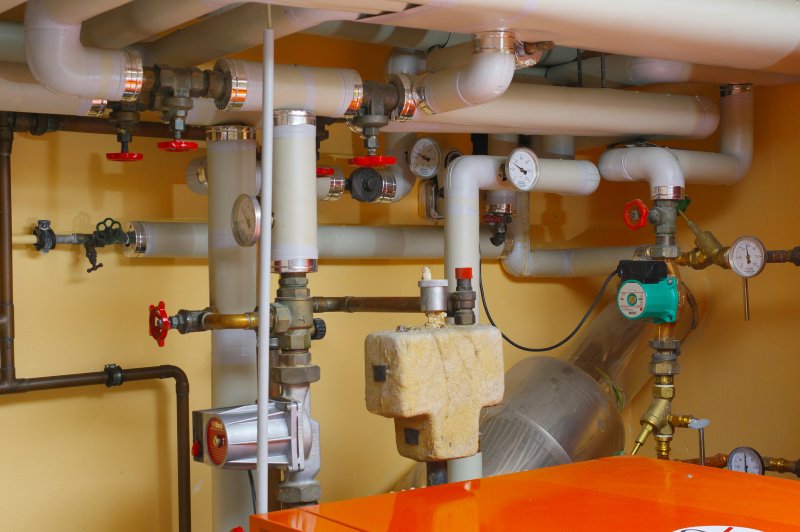
Furnace installation in 2026 lands at $3,800 to $6,200 for an 80% AFUE gas unit, $5,200 to $8,800 at the 90 to 95% AFUE mid tier, and $7,500 to $12,000 at 96%+ AFUE condensing. Oil furnaces run $2,500 to $10,000 with a $5,000 average. Propane sits at $3,900 to $6,000. Electric furnaces are the cheapest box on paper at $2,500 to $5,500 installed, and the most expensive to operate over fifteen winters.
The number on the proposal covers the equipment and the labor for a clean swap. The number you actually pay depends on four conditions: whether the existing chimney can stay, whether the gas line is sized for the new input rating, whether the ducts move enough air for an ECM blower, and whether the AFUE tier you select still has parts availability after the 2028 federal manufacture cutoff. Those four questions move the bid by $1,000 to $4,000.
What a furnace install costs by AFUE tier
AFUE, or Annual Fuel Utilization Efficiency, is the percentage of fuel energy that becomes useful heat instead of going up the flue. An 80% AFUE furnace turns $1.00 of gas into $0.80 of heat. A 96% AFUE condensing furnace turns the same dollar into $0.96 of heat by extracting the latent heat of water vapor in the exhaust. That second step is why condensing units need PVC venting (the cooled exhaust rains acidic condensate) and a drain line.
| AFUE tier | Equipment only | Installed total | Where it lands |
|---|---|---|---|
| 80–82% AFUE single-stage | $700–$1,800 | $3,800–$6,200 | Replacement on an existing B-vent flue, no other complications |
| 90–95% AFUE | $1,500–$3,700 | $5,200–$8,800 | Mid-efficiency two-stage, often non-condensing or near-condensing depending on model |
| 96–98% AFUE condensing | $2,800–$6,200 | $7,500–$12,000 | Condensing two-stage or modulating, PVC sidewall venting, condensate drain |
Sources: HomeGuide new furnace cost data , Angi 2026, HomeAdvisor 2026, This Old House. Numbers reflect installed cost on existing ducts with permit and old-unit removal included.
The leap from 80% to 95% AFUE is not a $2,500 leap in equipment cost. About $1,000 to $2,500 of the difference is the furnace itself. The rest is venting. An 80% unit reuses your existing masonry chimney or B-vent. A 95%+ unit needs new PVC run out a sidewall ($500 to $1,500), a condensate trap and drain plumbed to a fixture or pump ($200 to $600), and a possible chimney lining for the now-orphaned gas water heater ($1,200 to $2,500). Stack the three on a worst-case retrofit and you’ve added $4,600.
Cost by fuel type
Gas dominates the U.S. furnace market. Oil owns the Northeast in pockets. Propane runs rural homes off the gas grid. Electric resistance furnaces are common in Sunbelt manufactured housing where heating loads are minimal. Price ranges are not interchangeable across these four fuels.
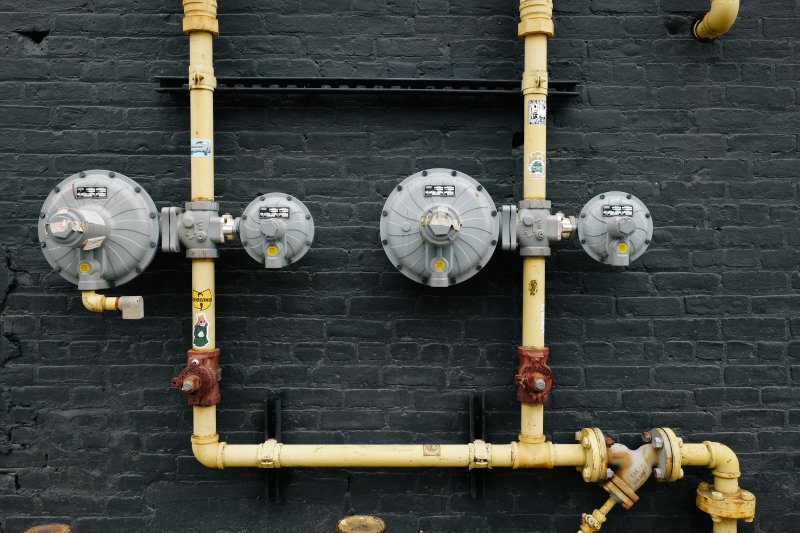
Natural gas runs $3,800 to $12,000 installed across all AFUE tiers. Mid-tier 90% AFUE single-stage gas is the volume mover at $5,000 to $7,500 installed with brand-name equipment on a clean retrofit. Most contractors quote this tier first because the install drops in cleanly on existing B-vent and ducts, and the unit lasts 15 to 20 years.
Oil furnaces install at $2,500 to $10,000, with most homeowners landing near $5,000. Standard-efficiency units running 83 to 86% AFUE (oil furnaces don’t reach gas-furnace condensing efficiency) cost $1,200 to $4,000 unit-only with $1,800 to $3,200 labor. High-efficiency oil at $3,000 to $10,000 unit-only is rare in 2026 because most homeowners switching equipment are also switching fuel. A common-sense scope-creep: if the oil tank is older than 25 years, expect a $2,500 to $4,000 add to swap it at the same time, with the combined replacement landing $4,200 to $8,800. Skipping the tank inspection on an old install is how a leak becomes a $20,000 soil-remediation problem.
Propane furnace installs run $3,900 to $6,000 typical, average ~$4,500. Where municipalities require propane reconnect inspection and a startup combustion test, replacement (not first-time install) climbs to $5,000 to $9,000. Propane furnaces are mechanically identical to gas furnaces with different orifices and pressure regulation; the price floor is similar but the operating cost over fifteen years runs 30 to 50% higher than gas in most markets.
Electric furnaces install at $2,500 to $5,500. Equipment is the simplest of any fuel type: heating elements, a blower, a control board. There’s no flue, gas valve, or inducer to install. Labor is the cheap part of the job. Anyone selling an electric furnace as a great solution in a heating-dominated climate is selling 100% efficiency at the appliance and 30 to 50% efficiency at the power plant. In a cold climate the same money buys a heat pump that delivers two to three times the heat per kilowatt-hour. The crossover math is laid out in our heat pump cost guide .
Brand pricing: what the equipment actually costs
Furnace brand reputation tracks parent-company tier more than measurable reliability. Trane and American Standard are the same equipment with different badges. Carrier and Bryant are the same equipment with different badges. Lennox runs its own line with proprietary controls. Value-tier brands like Goodman and the Rheem/Ruud pair ship reliable mid-AFUE equipment at meaningful discounts. Pricing follows accordingly.
| Brand | Installed range (2026) | Position |
|---|---|---|
| Trane | $4,500–$14,000 | Premium, ~25% above mid-pack on equivalent tier |
| Carrier | $3,000–$10,000 | Premium, similar to Trane on top-of-line variable-speed |
| Lennox | $3,000–$9,500 | Premium-mid, proprietary SureLight controls |
| American Standard | $2,700–$9,000 | Trane equipment at ~15% lower badge premium |
| Bryant | $2,485–$9,500 | Carrier equipment at ~15–20% lower badge premium |
| Rheem / Ruud | $2,500–$7,800 | Mid-value, solid 80–96% AFUE lineup |
| Goodman | $2,480–$9,000 | Value tier, parts availability is a strength |
Source: HomeGuide brand pricing , 2026 data.
Parts availability and dealer service network matter more than the warranty card. A Goodman with a strong local dealer network beats a Trane whose nearest service contractor is forty miles out. Goodman ignitors and inducers are stocked at every supply house in the country. A Lennox SureLight control board ordered for a Sunday breakdown can arrive Tuesday. Pick the brand whose authorized dealer has been in your zip code for ten years before you pick the brand whose ad you remember.
The retrofit complications that move the bid
A clean swap (same fuel, same AFUE tier, same vent size, same gas line, same ducts) is $3,800 to $6,200. Every box you can’t tick adds a line item.
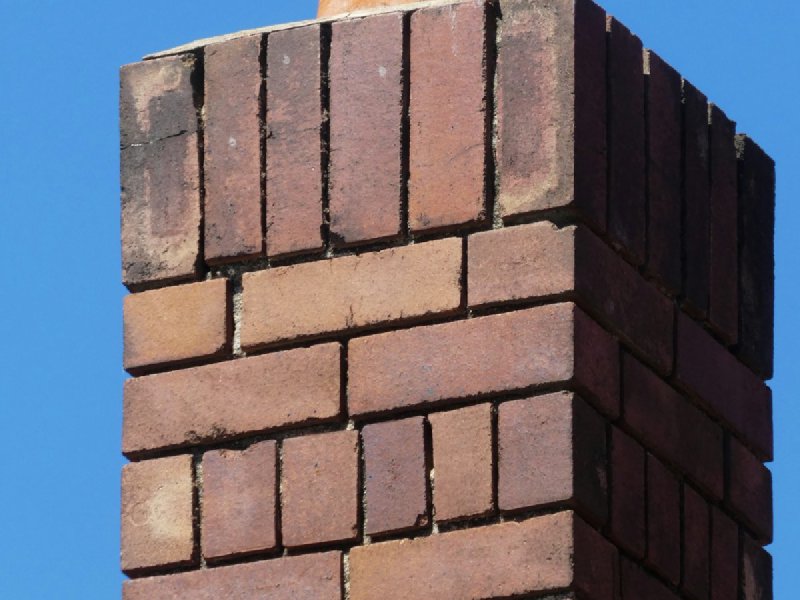
- Chimney lining ($1,200 to $2,500). Required when a condensing furnace replaces an 80% unit that shared a masonry flue with a gas water heater. The orphaned water heater can no longer warm the flue, condensation forms inside the brick, draft fails, NFPA 211 demands a relined or downsized flue. AL 29-4C stainless is the spec for combustion-product corrosion resistance.
- PVC venting for condensing tier ($500 to $1,500). Two pipes (combustion-air intake and exhaust) typically run out a sidewall. Code clearances from windows and other appliance vents drive routing complexity.
- Gas line upsize ($400 to $1,200). When the new furnace input BTU exceeds what the existing 1/2-inch line can deliver at the meter pressure, the installer runs new black iron or CSST. Houses built before 2000 with a 60K BTU furnace getting upgraded to a 100K BTU input frequently need this.
- Condensate drain plumbing ($200 to $600). Condensing units produce 0.5 to 1.5 gallons of water per hour at peak burn. The drain has to terminate at a floor drain, washing-machine standpipe, or a condensate pump that lifts to one. Below-grade installs without a nearby drain almost always need a pump.
- Duct compatibility check. A new ECM variable-speed blower can move 40% more air than an old PSC motor. Ducts sized for the old airflow develop high static pressure, which sounds like a hair dryer at every register and shortens the blower’s life. A static-pressure measurement before and after install is what separates a careful installer from a box-swapper.
- Permit and inspection ($75 to $500). Required almost everywhere. The contractor pulls it. If they suggest skipping the permit to save money, walk away. The inspector exists to catch the mistakes that kill you in your sleep.
- Old furnace removal and disposal ($150 to $600). Included in most quotes. Confirm it’s a line item, not an add-on after the fact.
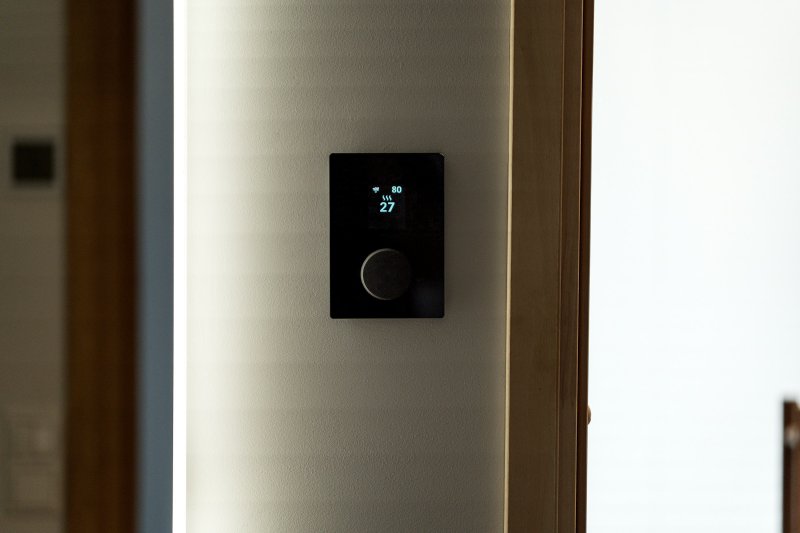
- Smart thermostat upgrade ($200 to $500 installed). Worth it on a two-stage or modulating furnace where staging logic depends on the thermostat reading interior temperature accurately and modulating the call.
Manual J — the sizing fight worth having
Most furnaces in U.S. homes are 30 to 50% oversized. The contractor habit is to look at the old unit’s BTU plate, look at the square footage, and pick something close. Allison Bailes ran a published study of forty real Manual J load calculations and found an average cooling load of one ton per 1,431 square feet, with the lowest house at 624 square feet per ton. The “1 BTU per square foot” rule of thumb most installers use produces a 30 to 50% oversize bias on the heating side too.
An oversized furnace short-cycles. It blasts a five-minute burst of high-temperature supply air, hits the thermostat setpoint, shuts down, then fires again twenty minutes later. Each cycle wears the ignitor and inducer motor; it also leaves moisture behind in the heat exchanger. The lifespan of an oversized unit runs 30 to 40% shorter than a properly sized one. Comfort is worse — temperature swings are wider — and the equipment costs more upfront.
Insist on a Manual J load calculation in writing before signing the contract. ACCA Manual J is the residential load calc standard; ACCA Manual S is the equipment selection standard (heating capacity ≤ 140% of design heating load). If the contractor refuses or charges $400 for what should be a baseline service, get another quote. The dozen contractors who run Manual J as standard practice exist in every metro and they are the ones you want.
Federal credits and rebates — what actually pays out in 2026
Through 2025 the federal §25C Energy Efficient Home Improvement Credit could offset up to $600 on a qualifying high-efficiency gas furnace (CEE highest non-advanced tier, generally ≥97% AFUE). Property placed in service after December 31, 2025 does not qualify. The IRS guidance under FS-2025-05 stated it directly: “The credit will not be allowed for any property placed in service after December 31, 2025.” OBBBA (Public Law 119-21, signed July 4, 2025) repealed §25C entirely.
As of 2026, there is no federal tax credit for any new furnace installation of any fuel type. HEEHRA rebates from the IRA are still funded in many states, but HEEHRA covers electric heat pumps and heat pump water heaters. Fossil-fuel furnace replacement is not on the HEEHRA list. A homeowner replacing a gas furnace with another gas furnace gets nothing federal in 2026. The same homeowner switching to a heat pump may get $4,000 to $8,000 depending on income tier and state program status. The heat pump path is covered in detail in our heat pump installation cost guide .
State and utility rebates still exist and vary widely. New York, Massachusetts, California, and Colorado have the strongest active programs as of mid-2026. Check your state energy office and the utility’s commercial rebate page before signing a furnace contract. Rebates of $200 to $1,500 on 95%+ AFUE units are common; some northeast utilities go higher.
Vetting the installer
The installer is most of the install. A meticulous contractor’s work lasts twenty years on the same equipment that fails inside seven for a sloppy crew that skips the static-pressure check, oversizes by 30%, and runs the gas line one size small. Four habits separate the careful from the careless:
- They run a Manual J. Not a sticker on the old unit. A real load calc.
- They measure static pressure in both supply and return ducts before and after install, then adjust the blower tap if the reading exceeds 0.5 inches of water column.
- They size the gas line based on the new furnace input rating and the run length from the meter, not “looks the same as before.” Undersized gas lines cause the burner to run lean at high fire and generate more carbon monoxide than they should.
- They specify a matched coil and check the AHRI Certified database for the model number combination, especially when the furnace pairs with central AC.
Two credentials that signal more than the average bid: NATE certification on the lead technician and a contractor’s license that lists HVAC-specific gas piping work, not only sheet metal. Ask whether the company is on the AHRI Certified database for the specific model they’re proposing. Pairing a furnace with a coil from the same matched system protects warranty and claimed efficiency. Credentialing is covered in depth in our HVAC contracting guide .
A common red flag is the bid that’s $1,500 below the next two with no explanation. Either the contractor is cutting the chimney lining, skipping the load calc, or planning to discover problems mid-job and bill them as change orders. The next-day callback rate on those installs is double the metro average. Pay for the proper job once.
When the old furnace just isn’t worth saving
The math from our furnace repair guide (repair cost greater than 50% of new install cost AND age past half the expected lifespan) flips harder in 2026 because there’s no §25C credit to soften the new-furnace bill. A 14-year-old 80% AFUE furnace facing a $2,500 heat exchanger replacement was a tossup in 2024. In 2026 the same situation is a clean replace: that exchanger work covers half a new mid-tier furnace that lasts another fifteen winters and uses a quarter less gas.
The replacement decision pays off faster on the high-efficiency side too, but the upfront cost is real. A $9,000 condensing furnace versus a $5,500 80% AFUE unit needs a 15-to-20% gas-bill reduction to recover the $3,500 spread over its life. In the Northeast and Midwest where heating bills run $1,500 to $2,500 a year, that’s a five-to-eight-year payback. In Texas and Florida where heating bills are $400, it’s never. Match the AFUE tier to the climate, not the contractor’s preference.