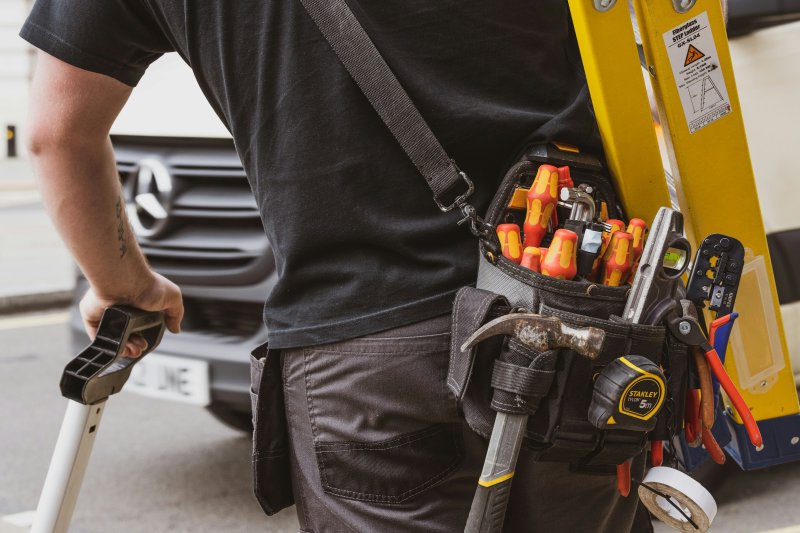
A furnace tune-up in the U.S. costs $80 to $250 per visit in 2026 for a single gas furnace, with $150 the most common quote a homeowner sees on a routine fall visit. Annual plans that cover the furnace specifically run $150 to $300 a year, usually with one fall visit plus a parts and labor discount. The gap between a $59 special and a $200 honest visit isn’t margin. It’s whether the tech has a combustion analyzer in the truck and uses it.
Most articles ranking for “furnace tune up near me” list the price and stop. The harder questions sit underneath: which checklist items actually matter, what a real combustion analysis reads, and how to recognize the upsell scripts from the actual safety findings.
What a furnace tune-up costs in 2026
Most homeowners booking a single furnace visit land here:
| Service | Typical cost | Average |
|---|---|---|
| Gas furnace tune-up (standalone) | $80–$250 | $150 |
| Oil-fired furnace tune-up | $150–$350 | $250 |
| Furnace inspection only (no cleaning) | $70–$130 | $100 |
| Furnace cleaning add-on | $70–$300 | $185 |
| Furnace-only annual plan | $150–$300 | $225 |
| After-hours diagnostic fee | $150–$250 | $200 |
Sources: HomeGuide, Bryant manufacturer pricing, Bob Vila, cross-checked against industry contractor pricing surveys.
Oil-fired furnaces cost more because the burner work is harder. An oil burner needs nozzle replacement at every visit, smoke-pump testing, and a flue-gas analyzer reading that gets compared against a draft-pressure measurement. A gas furnace skips all of that. If you have an oil-fired unit, $250 with a fresh nozzle is fair, and a $99 oil tune-up is the same kind of loss leader as a $59 gas one.
Regional pricing shifts the band roughly the same way it does for AC work. New York metro, the Bay Area, and Boston run 30 to 50 percent above the national average. Rural Midwest and Southeast pricing trends 15 to 25 percent below. A $99 tune-up in suburban Houston is different from a $99 tune-up in suburban Boston, and not in a good way for the Boston job.
For broader heating and cooling cost context, see our HVAC cost guides hub .
The combustion analysis test that separates real from fake
The single best signal that a tech is doing actual work is a combustion analyzer pulling readings off the flue. ACCA Standard 4 QM , reaffirmed by ANSI on August 7, 2024, lists combustion analysis as a required item on annual gas-furnace maintenance. It takes about 10 minutes and produces hard numbers.
For an atmospheric draft gas burner — the most common residential design — the readings should land in this band:
- O2 between 7 and 9 percent
- CO2 between 6.5 and 8 percent
- CO under 100 ppm, measured undiluted in the flue
- Stack temperature within manufacturer spec for the model
If CO climbs above 100 ppm undiluted, the burner is running rich, the secondary air is wrong, or there’s a heat exchanger problem. Above 400 ppm in normal operation is a hard red flag. The tech should report numbers, not adjectives. “Burner looks good” without analyzer data means nothing.
A Testo 310 or UEi C161 in the toolkit is the giveaway you want. These run $400 to $1,200 retail, and a contractor who’s bought one uses it. The companies running $59 specials usually haven’t, because the analyzer alone costs more than ten of those calls.
Heat exchanger inspection: the most-misdiagnosed failure
A cracked heat exchanger is genuinely dangerous. It can leak carbon monoxide into the supply-air stream. Lennox lists CO detector readings above 30 ppm, sooting near the burners, and a metallic odor as warning signs, and the company is direct about the fix: “repairs are rarely recommended. Typically, replacement of the exchanger is the safest and most cost-effective solution.”
It’s also the most-misdiagnosed condemnation in the trade. Some contractors red-tag furnaces on a hairline mark or a manufacturing seam, knowing the homeowner will roll the $1,500-to-$4,000 exchanger replacement into a $5,000 new-furnace install. Defending against the misdiagnosis takes four questions before you accept the call:
- Show a photo or borescope video of the crack. A real crack is visible on inspection equipment, not deduced from a flame disturbance.
- What was the CO reading in the supply-air register? If it’s under 5 ppm with the burner running, the unit isn’t dumping combustion gases into the house.
- Is this a rust-pitted full-section crack or a hairline at a weld seam? Manufacturers distinguish between the two. Many “cracks” at the seam aren’t structural.
- Get the finding in writing with the make, model, serial number, and the analyzer numbers that triggered the call. A real safety condemnation comes with documentation.
If the contractor refuses any of those, pay the diagnostic fee and get a second opinion before signing anything. A second-opinion call costs the diagnostic fee, which is cheaper than a wrongful furnace replacement by an order of magnitude.
What’s on the real ACCA-grade checklist
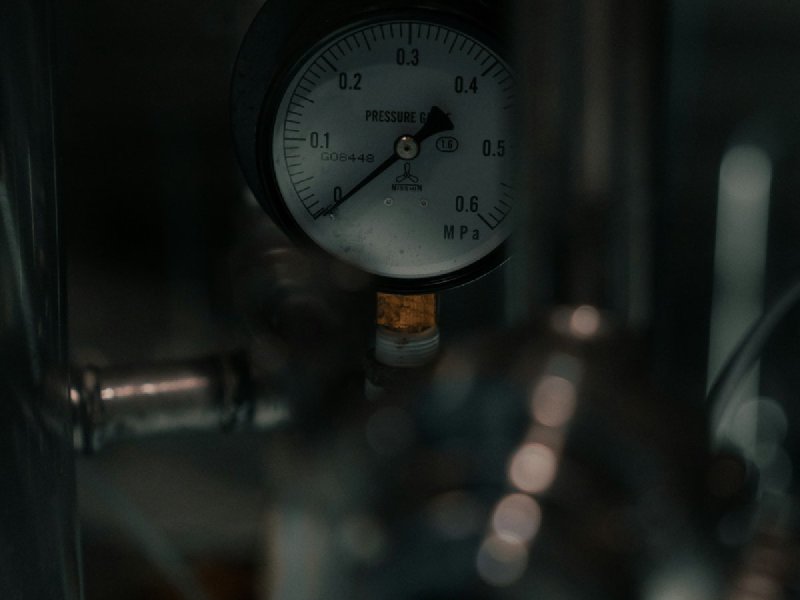
The cooling-side ACCA checklist has been covered elsewhere. The heating-specific items that should appear on every furnace tune-up:
- Filter replacement and blower-compartment cleaning
- Burner inspection and brushing if dust or debris is present
- Flame sensor cleaning with emery cloth and microamp verification
- Heat exchanger visual inspection, ideally with borescope or inspection mirror
- Hot surface ignitor resistance check against the manufacturer spec stamped on the ignitor (silicon carbide units typically read 40-90 ohms at room temperature; silicon nitride units read lower, often 10-75 ohms depending on the model)
- Manifold gas pressure measured against nameplate spec, typically 3.5 inches water column for natural gas and 10 to 11 inches for propane
- Inducer motor amp draw against nameplate
- Combustion analysis on every burn at high fire
- Condensate trap flush on any 90%+ AFUE unit (these produce 0.8 gallons of condensate per running hour, per MRCOOL technical documentation )
- Vent and intake inspection for blockage, slope, and joint integrity
- Final draft test and CO sweep of the equipment room
Sixty to ninety minutes is a reasonable visit for one furnace. Forty-five minutes is checkbox work. Twenty-five minutes is a sales call.
The $15 tasks every homeowner can do
A surprising amount of the maintenance benefit is recoverable for under $50 in parts and an hour of work. Three jobs, in order of payback.
Filter swap
ENERGY STAR puts the airflow penalty for restricted blowers at up to 15 percent of system efficiency, and industry energy-efficiency data routinely cites a similar 5 to 15 percent savings range from filter changes on neglected systems. A 1-inch pleated filter from a hardware store costs $8 to $25 and lasts 60 to 90 days under normal duty. A 4-inch media cabinet filter runs $35 to $60 and goes 6 to 12 months. Set a phone reminder.
Flame sensor cleaning
This is the highest-leverage DIY in the entire furnace world. The flame sensor is a thin metal rod that develops a microscopic oxide layer over months of operation. When the layer thickens past spec, the rod can no longer pass the 1.5-to-6 microamp signal the ignition control board needs to confirm flame. The board shuts gas off, the burner relights, the cycle repeats, and the homeowner calls it “the furnace short-cycles.” Pros charge $80 to $250 for the cleaning visit. The actual job: kill power at the breaker, remove one screw, pull the sensor, polish the rod with fine emery cloth or a Scotch-Brite pad until it shines, reinstall. Fifteen minutes. Steel wool also works but leaves fibers, so emery cloth is cleaner. If the furnace still won’t stay lit after cleaning, the sensor itself is failed and a replacement runs $10 to $30.
Condensate trap flush on high-efficiency units
Any furnace 90%+ AFUE produces acidic condensate. The P-trap on the drain holds water as a safety seal that blocks flue gas backflow. Algae and mineral debris build up over months and clog the trap, which triggers a pressure-switch lockout and a no-heat call. Quarterly maintenance is to disconnect the trap, rinse with a 1:1 white vinegar and warm water solution, and reinstall. Total time: ten minutes. A pro charges $75 to $200 for the same job under “drain line cleaning.”
When the annual plan actually pays off
Furnace-only plans typically cost $150 to $300 a year. The plan delivers value in three places that aren’t equal in dollar terms.
Warranty paperwork is the first, and for many homeowners it’s the only one that matters. Carrier and Lennox both require documented annual professional maintenance to keep the parts warranty in force. Plan invoices file the paper trail automatically. Trane’s published warranty doesn’t strictly require annual service but does require licensed-pro work rather than DIY. If your furnace is under 10 years old and you own a Carrier or Lennox unit, the plan economics are obvious.
Catching cheap failures before they cascade is the second. A weak ignitor reads high resistance long before it fails to light. A scorched flame sensor reads low microamps weeks before total dropout. Inducer motor bearings whine months before the motor seizes. A tech with an analyzer and a meter catches these in the fall. The homeowner who caught a $30 flame sensor in October didn’t pay $200 for an after-hours no-heat call in January.
Priority scheduling during a January cold snap is the third. When the polar vortex hits and the local company has 60 calls deep on the dispatch board, plan customers cut the line. That’s worth real money in the right zip code, and zero in others.
The plan stops being worth it once the furnace passes 18 to 20 years of age and starts showing real repair history. Spending $250 a year on a unit that needs a $4,000 heat exchanger any month is throwing good money after a doomed exchanger.
How to vet a furnace tune-up company before booking
Two questions on the phone before you book, plus one when the tech arrives.
On the phone:
- “Do you run combustion analysis on every furnace tune-up, and what analyzer do you use?” The right answer names a brand — Testo, UEi, Bacharach. The wrong answer is vague language about checking the burners.
- “How long does a single-furnace tune-up take?” Anything under 45 minutes is checkbox work. Honest answer is 60 to 90 minutes for one system.
When the tech arrives:
- Ask to see the analyzer printout or the meter reading at the end of the visit. A NATE-certified tech (North American Technician Excellence) will hand it over without flinching. NATE is the certification to look for on the truck. NATE-certified techs have passed standardized testing and tend to be the ones who actually know what an O2 reading or a microamp test means.
If the company can’t tell you which of their techs hold NATE, or refuses to provide combustion data after the visit, find another company. The booking call is your filter, not the work order.