HVAC maintenance service in the U.S. costs between $150 and $350 per visit, with $275 being the national average for a single annual tune-up on a typical residential system. Annual service plans, which usually bundle two visits plus a parts discount, run $200 to $500 a year. The price gap between a $79 special and a $250 visit isn’t profit margin; it’s whether the tech actually does the work or just hands you a quote.
The cost-guide articles that rank for this keyword tend to stop there. The harder questions are what determine if your money is well spent: whether a tune-up earns back its price, whether your warranty requires one, and how to tell a real maintenance visit from a sales call.
What a single visit costs in 2026
Most homeowners booking a one-time HVAC service call land in this band:
| System type | Typical tune-up cost | Average |
|---|---|---|
| Central AC (split system, 2–4 ton) | $85–$200 | $143 |
| Gas furnace | $100–$250 | $175 |
| Combined heat-and-cool visit | $150–$350 | $275 |
| Heat pump | $150–$300 | $225 |
| Mini-split (per indoor head) | $200–$400 | $300 |
| Geothermal heat pump | $175–$350 | $263 |
| Oil-fired boiler or furnace | $200–$400 | $300 |
Sources: HomeGuide, This Old House, Today’s Homeowner. All 2026 data, cross-checked.
Mini-splits and geothermal cost more because the work is harder. A mini-split blower wheel cleans poorly without specialty equipment, and geothermal loops require glycol and pressure checks that an ordinary van doesn’t carry. Don’t expect your AC tech to charge AC prices for either.
Regional pricing follows labor rates more than equipment. New York metro, the Bay Area, and Boston run 30–50% above the national average. Rural Midwest and Southeast pricing trends 15–25% below. Flat-fee tune-up specials advertised at $59–$89 are loss leaders. The company expects to find a $400 repair while they’re there, and they almost always do.
What the visit should actually cover
ANSI/ACCA Standard 4 QM , reaffirmed by the American National Standards Institute on August 7, 2024, is the manufacturer-endorsed minimum for residential HVAC maintenance. Most homeowners have never heard of it. Most contractors hope you never ask.
A real cooling-season visit covers:
- Filter replacement (or clean if washable)
- Evaporator and condenser coil inspection, cleaning if dirty
- Refrigerant charge verification, measured against superheat or subcool rather than “topped off until cold”
- Capacitor capacitance test against nameplate microfarads
- Contactor inspection for pitting and proper pull-in
- Blower motor amp draw vs. nameplate
- Condensate drain flush and float-switch test
- Electrical connection torque check
- Thermostat calibration
A real heating-season visit adds combustion analysis (CO and CO2 levels), heat exchanger inspection, ignition or pilot verification, plus a manifold gas pressure check on gas equipment.
If a technician walks into your house and walks out 25 minutes later with a sticker and a quote for new parts, you didn’t get an ACCA-grade tune-up. The full checklist takes 60 to 90 minutes on a single system. Two systems, meaning a furnace plus AC, should run closer to two hours. Watch the clock.
Annual service plans: the real math
Service plans cost $200 to $500 a year and typically include:
- Two scheduled visits (one cooling, one heating)
- 10–20% discount on repair parts and labor
- Reduced or waived diagnostic fees
- Priority scheduling during peak season
The plan is usually priced about 15–25% below buying the same two visits a la carte. That isn’t a deep discount — it’s a customer-retention tool. The real value lives in three places.
Priority scheduling is the first piece. When the temperature hits 98°F and the company has a 10-day backlog, plan customers cut the line. In Phoenix or Houston, that alone justifies the plan in any summer with a breakdown.
Catching cheap failures early is the second. A weak capacitor reads low on a meter long before the AC won’t start. Replaced during a scheduled plan visit, the capacitor runs about $200 (and the plan discount typically knocks 10–20% off that). Replaced on a Saturday afternoon emergency call, the same job runs $250 for the part and labor plus a $150 after-hours diagnostic fee, with a hot house in the meantime. The avoided premium covers most of a year’s plan in one event.
Warranty paperwork is the third, and it’s the one most homeowners overlook. Carrier and Lennox both require documented annual professional maintenance to keep parts coverage active. Plan invoices file the paper trail automatically. Trane is the outlier: its written warranty doesn’t require annual service, only that maintenance be done by a licensed pro rather than DIY. If you own a Trane system and change your own filters religiously, the plan is optional. If you own Carrier or Lennox, it isn’t.
The plan stops being worth it past about year 12 on a system you intend to replace. Once you’re spending plan money on a unit whose compressor could fail any month, you’re better off banking the $400 toward a new outdoor unit.
Common add-ons (and which are upsells)
Plans and tune-ups quote “additional services” at the door. These are real prices for real work, but several get pushed when they aren’t needed:
| Service | Typical cost | When you actually need it |
|---|---|---|
| Air duct cleaning | $300–$700 | After renovation, after rodent activity, or if visible dust is exiting registers. Otherwise rarely. |
| Coil cleaning (chemical) | $100–$400 | Every 2–4 years; annually if the outdoor unit is near a dryer vent or shedding tree |
| Refrigerant recharge | $200–$500 | Only if a leak test confirms low charge — never as routine “topping off” |
| UV light installation | $200–$800 | Niche use; helpful for moldy evaporator coils in humid climates |
| Drain line cleaning | $75–$200 | Annually in humid climates; biannually elsewhere |
| Thermostat replacement | $100–$600 | Only if your existing thermostat is failing or you want zoning/smart features |
Refrigerant is the big one to watch. A modern AC is a sealed system. If the charge is low, there is a leak, and adding refrigerant without finding the leak is throwing $300 into a bucket with a hole in it. A reputable tech finds and fixes the leak first, then charges. If you’re getting “just need a couple pounds of refrigerant” pitched every other year, find a different company.
The filter change that beats the tune-up
The Department of Energy flags filter and coil neglect as the leading reason home AC systems run inefficiently and fail early. ENERGY STAR puts a number on the airflow side: a dirty blower or restricted airflow can knock up to 15 percent off system efficiency. Industry energy-efficiency data routinely cites a similar 5 to 15 percent range for filter-related savings on neglected systems. These are the two biggest controllable efficiency wins in residential HVAC, and one of them costs $15 and takes ten minutes.
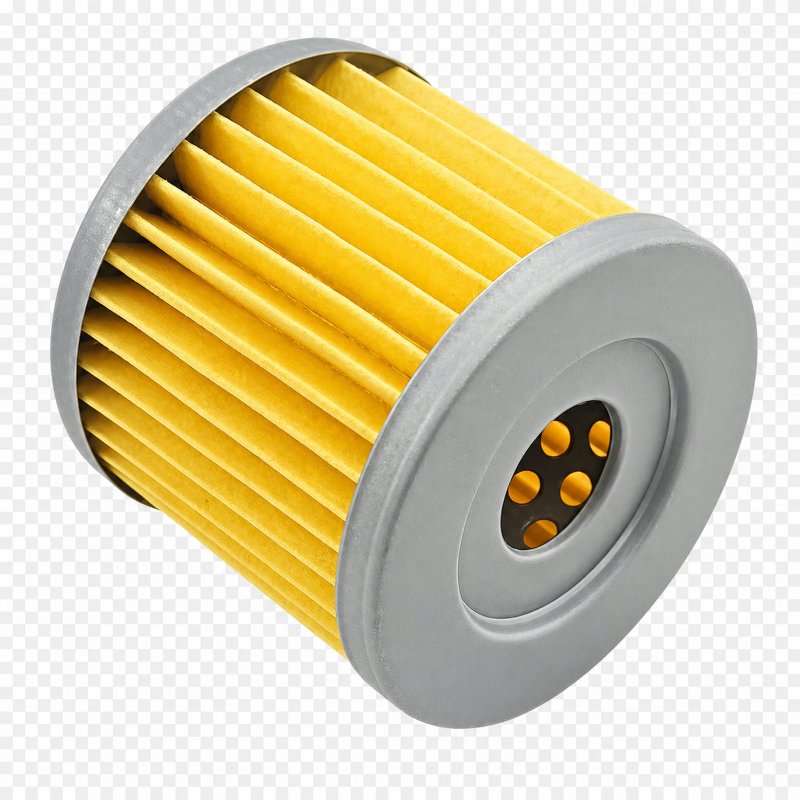
Most contractors won’t tell you this, because their filter-change line item is $75–$200. The math is simple: a 1-inch pleated filter from a hardware store costs $8–$25 and lasts 60–90 days in normal use. A 4-inch media filter runs $35–$60 and lasts six to twelve months. Buy the right size for your system once, set a phone reminder, and you’ve extracted the lion’s share of the maintenance benefit before a tech ever pulls into the driveway.
Coil cleaning is the next tier. Outdoor condenser coils gather cottonwood seed and dryer-vent lint, and they cool poorly when caked. A garden hose and a $12 spray bottle of foaming coil cleaner, sprayed top to bottom and rinsed gently, handles it in 20 minutes. Indoor evaporator coils are different. They live above your furnace, often behind a sheet-metal panel sealed with mastic, and disturbing them risks bending fins or knocking the condensate pan loose. That one is worth paying for.
When to skip the service entirely
Four situations where the math doesn’t work:
- System is over 15 years old (AC) or 20 years (furnace) and showing repair history. Sinking $300 a year into a unit that needs $5,000 of work is a sunk cost. Save the maintenance budget toward replacement.
- You’re selling the home within 18 months. Buyers want a recent service receipt. One pre-listing tune-up is enough; a full plan is unnecessary.
- Single-stage equipment under five years old, no warranty maintenance requirement, owner does monthly filter changes and seasonal coil rinses. The biggest efficiency wins are already captured. A plan adds risk reduction, not efficiency.
- You’re a long-term renter and the landlord is responsible for HVAC. Don’t buy maintenance for equipment you don’t own. Push the landlord to schedule it instead.
For everyone else, including mid-life systems under warranty and complex equipment like heat pumps or mini-splits, annual professional service is cheap insurance. Just buy it from a company that does the full ACCA checklist, not the one with the best Google ad.
How to vet a maintenance company
Two questions, asked on the phone before booking:
- “Do you follow ANSI/ACCA Standard 4 QM on tune-ups?” The right answer mentions the standard by name or describes the checklist by content. The wrong answer is something vague about doing whatever the system needs. A company doing real maintenance knows the standard.
- “How long does a single-system tune-up take?” Anything under 45 minutes is a check-the-box visit. The honest answer is 60–90 minutes for one system, 90–120 minutes for two.
NATE-certified technicians (North American Technician Excellence) are the certification to look for on the truck. NATE-certified techs have passed standardized testing on installation or service, and they’re the ones who actually know what a superheat reading means. Ask. If the company can’t tell you which of their techs holds NATE, that’s your answer.
For broader cost context across heating and cooling work, see our HVAC cost guides hub.