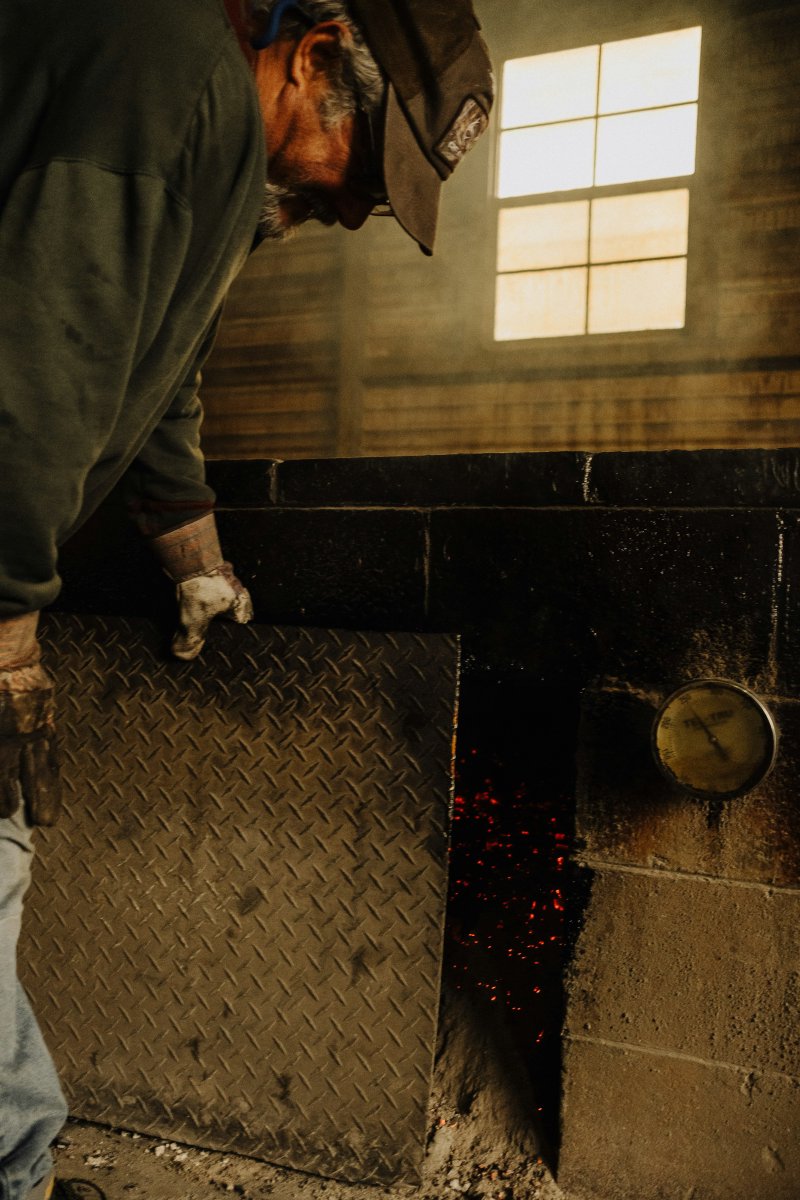
An HVAC system maintenance plan in the U.S. runs $150 to $800 a year depending on tier, with most legitimate plans landing between $300 and $500. A single one-off tune-up averages $275 and a proper ACCA-checklist visit costs $150 to $350, so the economic case for a plan rests on more than the headline discount. The real value sits in priority scheduling, repair-rate cuts, and warranty paperwork the manufacturer will demand if a major component fails inside coverage.
The cost guides that rank for this keyword tend to dump a $150–$500/yr range and call it a day. They miss the brand-specific warranty triggers, the tier asymmetry between basic and premium plans, and the contract clauses that quietly cost more than the plan saves. This guide answers each of those.
What each plan tier actually buys you
Most reputable contractors structure plans into three tiers. The pricing is consistent nationwide; what changes between markets is the labor rate that drives the underlying tune-up cost.
| Tier | Annual price | Visits | Repair discount | Diagnostic fee | Priority |
|---|---|---|---|---|---|
| Basic | $150–$300 | 1–2 short | 0–10% | Standard | Standard queue |
| Standard | $300–$500 | 2 full ACCA visits | 10–20% | Reduced | Priority |
| Premium | $500–$800+ | 2 full + filter program | 20–30%+ | Waived | Front of line |
Sources: HouseCallPro pricing guide, NeverMiss HVAC pricing guide, Ohio Heating tier breakdown. All 2026 data.
The basic tier is mostly the loss-leader. Two short “inspections” of 25 to 40 minutes, a filter swap, a quick electrical check, and a list of recommended repairs that will run extra. If you are price-shopping the cheapest plan, you are buying a sales-call schedule, not maintenance.
The standard tier is where the math starts working. Two visits run the full ACCA 4 QM checklist (the per-visit content lives in the HVAC maintenance service guide ; this article assumes both visits actually do the work rather than showing up to wave a meter). The 10 to 20 percent repair discount kicks in on parts and labor. Priority scheduling is the underrated benefit. When the temperature hits 98°F in July and the company has a 10-day backlog, plan customers cut the line.
Premium adds waived diagnostic and overtime fees, deeper repair discounts, and on some plans a parts-and-labor cap (often $500 to $1,500 worth of small repairs included annually). For a homeowner with multiple aging systems or expensive equipment under brand-specific warranty rules, premium can pencil out. For a 4-year-old single-zone home, it is overkill.
What the standards actually say

Two standards govern HVAC maintenance work, and most homeowners have never heard of either.
ACCA 4 QM-2019 (R2024) is the residential standard. ANSI reaffirmed it on August 7, 2024, after a 45-day public review with no comments submitted. It “provides a nationally recognized, manufacturer-endorsed set of minimum tasks that should be performed for HVACR equipment maintenance inspections.” The reaffirmation is the version your contractor should be following in 2026.
ANSI/ASHRAE/ACCA Standard 180-2018 is the commercial parent. Its scope is commercial buildings, and ASHRAE clarified via formal interpretation in February 2021 that the standard does not directly apply to residential equipment. But the maintenance program structure (inspection vs. maintenance vs. service vs. repair as distinct task categories) is what residential plans inherit from. When a contractor describes “ASHRAE-grade procedures,” what that means is bringing the commercial framework to your house.
The practical answer when calling a contractor: ask whether they follow ACCA 4 QM on tune-ups. The right answer names the standard or describes the checklist by content. Vague answers are the tell.
OEM warranty: the part that actually matters
This is the section that most cost guides skip, and it’s where the dollar exposure sits. A failed compressor in year six runs $1,200 to $3,000 to replace, and whether your warranty pays depends on whether the manufacturer accepts your maintenance documentation. Each major brand reads differently.
Lennox is the strictest in plain language. Its warranty FAQ states directly that “failure to maintain the equipment will void the limited warranty.” No fixed annual frequency is set in the base warranty itself; the cadence comes from the product’s installation and operation manual, which typically calls for annual professional service. If you own a Lennox system and the heat exchanger cracks in year nine, the dealer will ask for service receipts before filing the claim. No receipts, no claim.
Carrier reads more diplomatically on the warranty page itself. Registration within 90 days locks in either a 10-year parts-only warranty or a 5-year parts-plus-3-year-labor option; miss the deadline and you fall back to a 5-year parts-only base. Carrier’s maintenance language sits in the Owner’s Manual: “installation, use, care, and maintenance must be normal and in accordance with instructions.” In practice, lack of documented maintenance is the most common reason Carrier claims get denied at the dealer level.
Rheem ties the bar to documentation. To obtain warranty compensation for an in-warranty water heater failure, the homeowner “must have documented proof of failure by a licensed plumber or mechanical contractor or Rheem’s Technical Service personnel.” For tankless gas units, residential warranty terms run 15 years on the heat exchanger, 5 on parts, and 1 on labor, but only when the licensed-pro chain holds.
Trane is the outlier. Its published policy says that DIY or handyman maintenance voids coverage and improper installation voids coverage, but the base warranty does not specifically require a fixed annual cadence. Trane’s trigger is the licensed-pro requirement, not the calendar. A Trane owner with thorough self-filed records of professional service is in a defensible position even without a continuous service plan, provided the work was always done by someone licensed.
The pattern: every brand wants licensed-pro work, three of the four brands functionally need annual documentation, and Trane is the only one where the “every year or warranty’s gone” framing overshoots.
What’s not on the federal-credit list
Section 25C, the Energy Efficient Home Improvement Credit, covers up to 30% of qualifying installation costs (with a $1,200 annual cap on most items, $2,000 for heat pumps, biomass stoves, and heat-pump water heaters). Section 25D, the Residential Clean Energy Credit, covers solar, geothermal, fuel cells, and battery storage. HEEHRA / HEAR rebates cover purchase plus install of qualifying high-efficiency equipment.
Maintenance plans, tune-ups, descaling visits, and filter changes do not qualify under any of these programs. They are operating costs, not capital improvements. If a contractor pitches “your service plan is tax-deductible,” they are wrong (or assuming you run a home business and can deduct it on Schedule C, which is a separate conversation).
The one related credit-relevant case: if your annual maintenance visit identifies that your old condenser is dying and you replace it with a qualifying heat pump, the new equipment is creditable. The visit that diagnosed the failure is not.
Tankless and multi-system economics
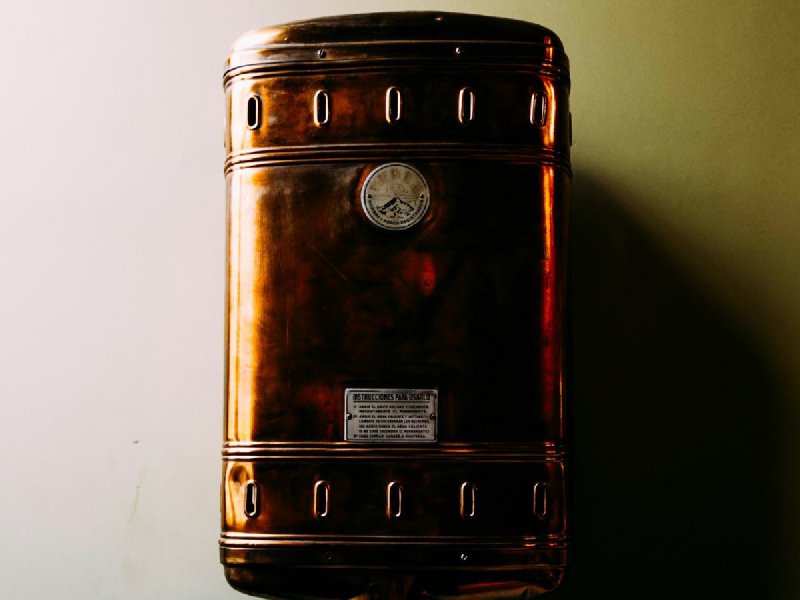
A maintenance plan that covers only the central HVAC misses the most failure-prone equipment in many homes: the tankless water heater. Hard water destroys tankless heat exchangers fast. The Water Quality Association classifies water at 7 grains per gallon or above as hard, which is the threshold where annual descaling stops being optional. Above 10 gpg, descale every 6 to 8 months.
A pro descale runs $150 to $350 standalone. Bundled into an HVAC plan, it usually adds $100 to $200 to the annual price — a saving on the standalone visit. Rinnai and Navien both code their tankless units to remind you. Rinnai’s “SS” service-soon code and Navien’s E760 flushing alarm are calendar reminders, not faults; ignoring them is what cracks the heat exchanger and triggers the warranty denial Rheem, Rinnai, and Navien all build into their fine print.
Multi-system homes price out by component. A typical regional plan structure adds $50 to $150 per year for each:
- Additional indoor mini-split head
- Additional zone in a zoned system
- Tankless water heater (with descale included)
- Whole-home humidifier or dehumidifier
- HRV / ERV ventilation unit
Three mini-split heads and a tankless on top of a central system can push a standard plan from $400 to $700. That is still cheaper than buying each visit a la carte, but the plan should itemize. If a contractor quotes a flat number for “your whole house” without showing the component math, ask for the breakdown. Bundling without itemization is where overcharging hides.
A central system plus a tankless plus a mid-life heat pump in a coastal market is the strongest case for premium. The corrosion exposure on coastal equipment cuts lifespan to 7 to 12 years, the tankless needs aggressive descaling, and the premium plan’s parts cap and waived diagnostic fee compound across components.
Contract clauses worth reading

Most homeowners sign the maintenance contract without reading past the price. Two clauses regularly bite back.
Auto-renewal sits at the top of the list. Some plans bill the next year 60 days before the current term ends, with cancellation requiring written notice inside that window. Miss it and the plan rolls forward, the card is charged, and the refund chase begins. Strike the auto-renew clause or get the company to confirm a 30-day grace period in writing. Reputable companies will agree. The ones that won’t are telling you something.
Prepaid cancellation refunds are the second clause to read. Multi-year plans paid up front often refund only the unused tune-up portion if you cancel mid-term, not the warranty paperwork value or the priority queue position. On a $1,200 three-year prepaid premium plan, cancelling after one tune-up may refund $700 instead of $800; that “ten percent administrative fee” is buried in the contract. Pay annually, not multi-year, unless the multi-year discount exceeds 15 percent.
Transferability is the third item to check if you might sell the home. Some plans transfer to the new owner. Others refund the prepaid balance instead. A few void with no refund. The middle option is acceptable. The third is a red flag.
When to skip the plan
Four situations where the math does not work:
- System under five years old, brand has flexible warranty language (Trane), owner does monthly filter changes. A standalone tune-up every other year captures most of the value. Skip the plan.
- System over 14 years old, repair history starting to mount. Money saved on plan fees should be set aside toward replacement. A pre-failure tune-up every spring is enough; the plan locks you into multi-year payments on equipment that may not survive them.
- You’re selling the home within 18 months. A pre-listing tune-up plus a fresh service receipt is what buyers want. A multi-year plan obligation transfers awkwardly or doesn’t transfer at all.
- Renter responsible for HVAC. Push the landlord. Don’t pay maintenance on equipment you don’t own.
For every other situation, including mid-life equipment under a strict-language warranty, multi-system households, and anyone with a Lennox or Rheem badge on the unit, the plan pays for itself the first time something fails inside coverage and the warranty paperwork is on file.
How to vet a plan before signing
Four questions before you put your card down:
- “Do you follow ACCA 4 QM on every tune-up?” A real maintenance company knows the standard or describes the checklist. Vague answers about “checking the system” are the tell.
- “What’s the auto-renewal language and cancellation window?” Get the actual contract text in advance. Reputable companies email a PDF. The others stall.
- “How is the visit documented, and will the homeowner get a copy of the service record for warranty purposes?” This is the part that matters when a heat exchanger cracks in year eight. NATE-certified technicians and a written ACCA-aligned service ticket are the documentation that survives a manufacturer claim review.
- “Are your techs NATE-certified, and which ones?” A company doing real work names its certified techs by name. A company that can’t answer is staffing the truck with whoever is available that morning.
For broader cost context across heating and cooling work, see our HVAC cost guides hub. If the question is what a single tune-up should actually cover at the visit level, the HVAC maintenance service guide walks through the per-visit checklist. For the failure-side economics that maintenance is meant to prevent, the HVAC system repair guide breaks down the cheap fixes from the expensive ones, and the furnace repair guide covers gas-side specifics. For the dryer-vent annual cleaning many plans now bundle, the dryer vent cleaning guide covers pricing and frequency.