Pipes, drains, and water lines you can stop worrying about.
Plumbing emergencies don't budget themselves. A slab leak found late costs thirty thousand dollars in damage; caught early it's eighteen hundred. A whole-house repipe runs four thousand in PEX and nine thousand in copper — and one decision affects resale, water taste, and contractor warranty terms. We map cost ranges to scope decisions so quotes from three contractors actually compare.
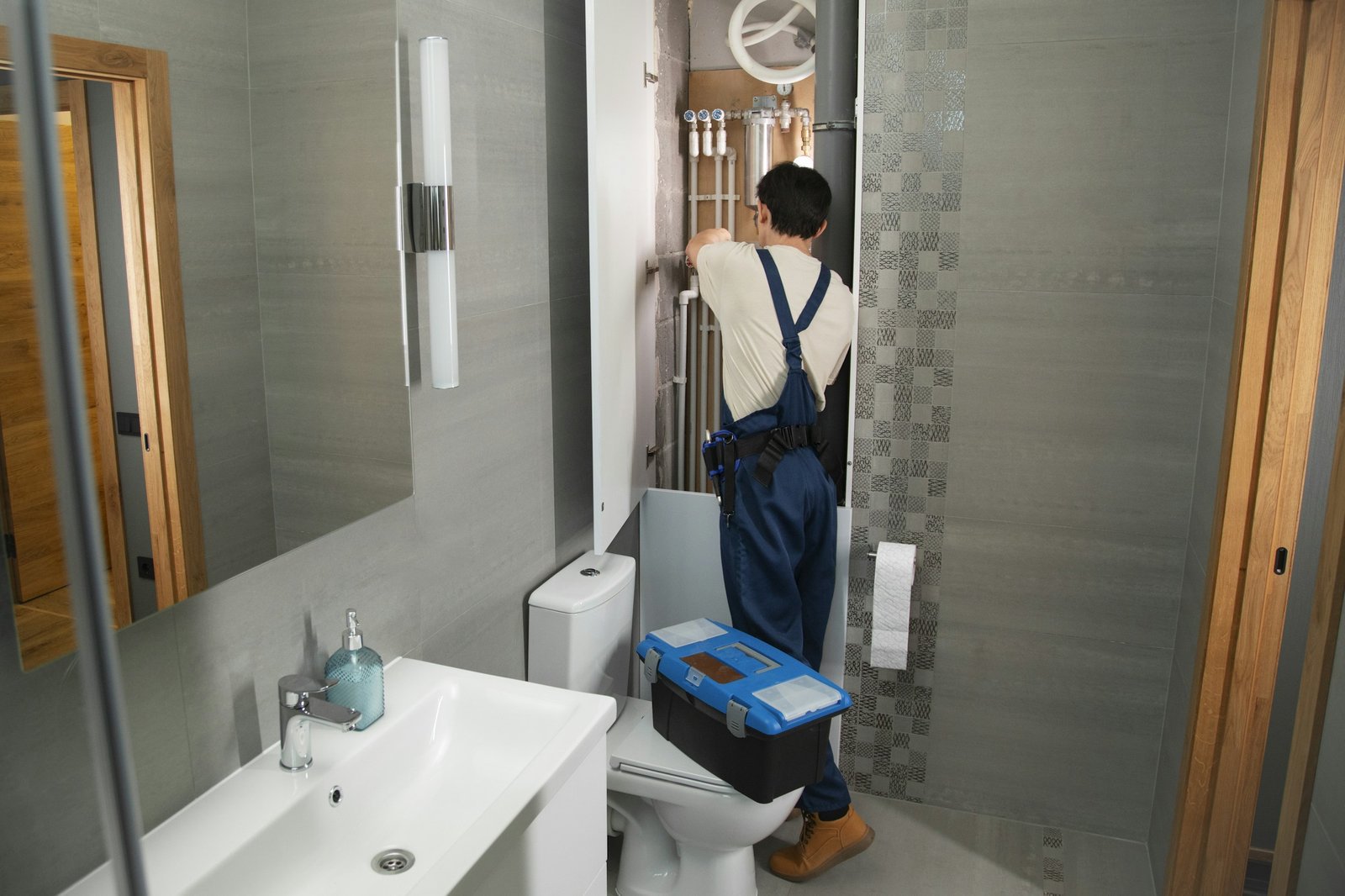
What a Plumbing Project Can Include
Whole-House Repipe and Gas Lines
PEX, copper, or CPVC repipes for homes with corroded galvanized or failing polybutylene. Gas line replacement, capacity upgrades for new appliances, and combined repipe-and-gas projects when walls are already open.
Sewer and Septic
Trenchless sewer replacement, traditional dig-up replacement, sewer scoping and locating, drain cleaning, and septic system inspection or repair. Trenchless saves landscaping but requires sound enough host pipe; a scope determines the path.
Water Heaters and Heating Distribution
Tank, tankless, hybrid heat-pump, and combi-boiler water heaters. Installation cost depends on venting, gas supply, electrical service, and recirculation pump retrofits. Tankless conversions often trigger gas line resizing.
Leak Repair and Fixture Work
Slab leak detection and repair, burst pipe and water main repair, fixture replacement, faucet and shower-valve install. Emergency mobilization adds 30–60 percent to standard rates; scope clarity prevents change-order creep.
Common Questions from Homeowners
PEX or copper for a repipe?
PEX is faster to install, freezes more forgivingly, and runs roughly half the labor of copper. Copper holds resale value better, lasts 50+ years, and resists rodent damage. The right answer depends on local code, water chemistry, and how long you plan to stay.
Trenchless versus traditional sewer replacement?
Trenchless costs more per foot but skips the landscape and driveway tear-out. It needs a host pipe sound enough to take a liner or burst the old pipe through. Severely collapsed lines require traditional excavation. A pre-bid sewer scope tells you which method actually fits.
When is a leak an emergency versus deferrable?
Active water against drywall, ceilings, or hardwood is an emergency — every hour multiplies remediation cost. A slow drip at a supply stop or angle valve can wait for a scheduled visit. Pinhole copper leaks are between: one signals more, so don't patch and forget.
Plumbing Articles
In-depth guides on specific plumbing topics.
Well pump replacement runs $400 to $2,500 in 2026. Jet vs submersible pricing by depth, pressure switch and tank line items, plus HP sizing rules.
Plumber cost in 2026 runs $45 to $200 per hour plus a $50 to $200 service-call fee. Hourly tiers, emergency premium, common-job flat rates, hiring traps.
Water heater install runs $800 to $5,300 in 2026 by type. Tank, tankless, heat-pump pricing plus the IPC 607.3 expansion-tank rule that fails inspections.
Rinnai tankless repair runs $200 to $1,200 in 2026. Brand-specific error codes, descale cost, gas-pressure spec, and the warranty trap to dodge.
Whole house repipe costs run $4,500 to $15,000 in 2026. PEX vs copper material pricing compared, plus when galvanized or polybutylene forces the call.
PEX repipe costs $4,500 to $11,000 for most homes in 2026, averaging $6,800. Pricing by sq ft and fixture count, PEX-A vs PEX-B, and layout calls.
Sewer line repair costs $150 to $3,800 in 2026. Spot repair, hydro-jetting, root removal, plus when repair beats full replacement. What to ask the plumber.
Trenchless sewer replacement costs $5,500–$16,000 for most 75 ft laterals in 2026. Pipe bursting vs CIPP per foot, plus gotchas that disqualify a job.
Plumbing FAQ
PEX runs 40–50 years, copper 50–80, CPVC 25–50, and old galvanized steel often fails by year 50–70. Polybutylene installed between 1978 and 1995 should be replaced regardless of age — it's a known failure material with class-action history.
Most jurisdictions require permits for repipes, water heater swaps, sewer line work, and gas line modifications. Like-for-like fixture swaps usually don't, but a contractor who pulls no permits across a major scope is also skipping inspections that protect you.
A pinhole leak at the slab can release one to five gallons per hour. Within a week that's enough to soak subfloor and grow mold. Detection plus single-point repair runs $1,500–$3,500; reroute around the slab adds $4,000–$7,000. Letting it ride into a remediation claim can pass thirty thousand.
Pipe material, joint condition, root intrusion, bellies (low spots that hold water), and offsets where pipe sections have shifted. The scope drives whether the repair is a spot fix, a liner, or full replacement. Most reputable contractors include the scope free with a serious bid.