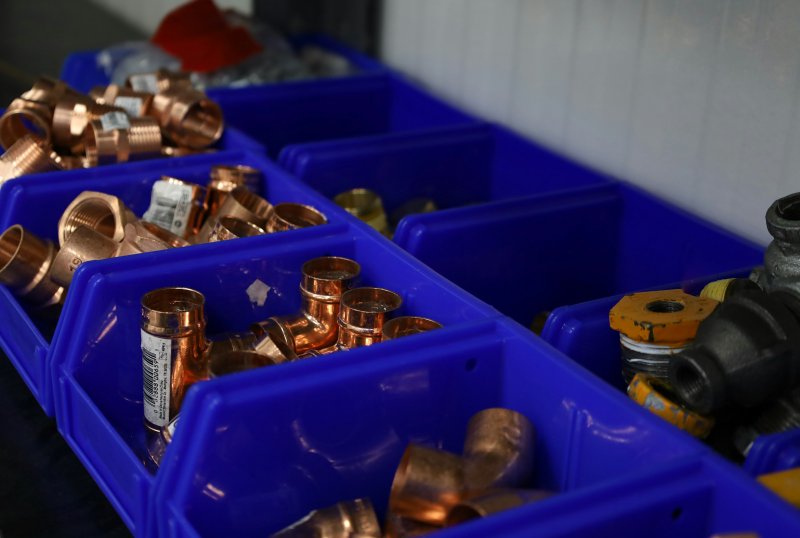
A whole-house PEX repipe in 2026 costs $4,500 to $11,000 for most homes, with an average around $6,800 based on contractor estimates. A 1,500 sq ft house with two bathrooms typically runs $5,000 to $7,500. Larger 3,500+ sq ft homes push into the $10,000–$15,000 range. The biggest swings come from home size, fixture count, slab versus crawlspace access, and whether the quote includes drywall restoration.
PEX is the standard repipe material for residential work because it bends around obstacles, resists pinhole corrosion that kills copper, and installs roughly twice as fast. The decisions that move your number the most are PEX-A versus PEX-B, manifold versus trunk-and-branch layout, and who patches the holes when the plumber leaves.
What a PEX repipe actually costs in 2026
The pricing below comes from 2026 contractor data reported by Angi, HomeGuide, HomeAdvisor, and Replumbs (which published an analysis of 500 recent quotes). Use these as a sanity check on bids, not as a final number.
| Home Size | Typical Total | Notes |
|---|---|---|
| Under 2,200 sq ft | $4,500–$7,500 | 1–2 bathrooms, slab or crawlspace |
| 2,200–2,500 sq ft | $6,500–$9,000 | 2 bathrooms, average complexity |
| 2,500–3,500 sq ft | $7,500–$11,500 | 2–3 bathrooms |
| 3,500–4,500 sq ft | $9,500–$13,500 | 3+ bathrooms, longer runs |
| 4,500–6,000 sq ft | $12,000–$16,000 | 4+ bathrooms, multi-story |
| 6,000+ sq ft | $15,000–$22,000+ | Custom layouts, multi-zone manifolds |
Per-fixture is the other useful gauge: under 9 fixtures averages $4,600; 9–11 fixtures runs about $6,400; 12–14 fixtures lands near $7,800; over 14 fixtures averages $11,100. (Fixtures = each sink, toilet, shower, tub, washer hookup, dishwasher, ice maker, hose bib.) Counting fixtures tells you more than counting bathrooms because a four-bathroom flip with three sinks per bath is a different job than a four-bathroom Craftsman with one sink each.
Material cost is small. PEX-B tubing runs $0.40 to $0.80 per linear foot at retail. PEX-A runs $0.80 to $2.00. A 2,000 sq ft house typically uses 300 to 600 linear feet of PEX. That’s $200 to $1,200 in material, roughly 5 to 15% of the total bill. The rest is labor, permits, fittings, manifolds, and restoration.
Labor is most of it. Plumbers charge $80 to $130 per hour for general work, with major-metro and emergency rates running to $200. On a typical repipe, labor is 60 to 70% of the invoice. A two-plumber crew finishes piping on a 2,000 sq ft home in two to three days. Add a day or two for inspections and pressure testing.
PEX-A vs PEX-B vs PEX-C: which one matters
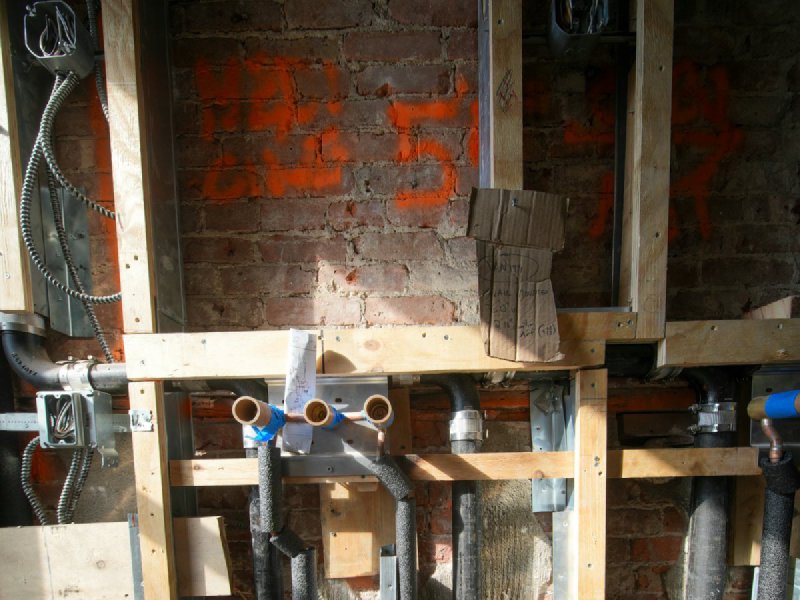
The letters describe how the polyethylene was cross-linked, not a quality grade. All three meet ASTM F876 (tubing) and F877 (water-distribution systems), the same standards copper has to clear. What separates the three is flexibility, the fittings each accepts, plus price.
PEX-B
Made by silane (moisture-cure) cross-linking. Stiffer than PEX-A with noticeable coil memory: it wants to spring back to its rolled shape. Highest burst pressure of the three. Rated for 30 to 40 years at 180°F and 80 psi. Accepts crimp rings and cinch clamps, the two fitting systems every plumbing supply house stocks. This is what 80% of pros pull off the truck.
PEX-A
Peroxide (Engel-method) cross-linking. The most flexible PEX, kink-recoverable with a heat gun, rated for 50 years at 180°F/80 psi. Accepts the same crimp and cinch fittings as PEX-B, plus the cold-expansion ProPEX system unique to PEX-A. Costs 100 to 160% more than PEX-B. The flexibility lets you snake one continuous run through tight framing instead of breaking it up with elbows, which saves fittings (and fittings are where leaks happen).
PEX-C
Electronic-irradiation cross-linking. Softer than PEX-B, more kink-prone, often the cheapest option. Most pros don’t stock it because the cost gap from PEX-B isn’t big enough to offset the kink hassle.
The decision most repipes come down to:
- Pick PEX-B for typical wall and ceiling runs. The price gap doesn’t pay back when you’ve got plenty of fitting access.
- Pick PEX-A for slab work or any run where every joint becomes a future inspection problem (behind tile especially). ProPEX expansion fittings are full-bore with no inside-diameter restriction, so flow stays clean over decades.
The trap with cheap online PEX-A: brand matters. Uponor and Viega are the names with engineering data and long warranty tails (Rehau is a strong third in commercial). The 25-year transferable Uponor warranty applies only when their PEX-A is paired with their ProPEX fittings. Mix in another brand’s fittings and the warranty disappears.
Manifold vs trunk-and-branch layout
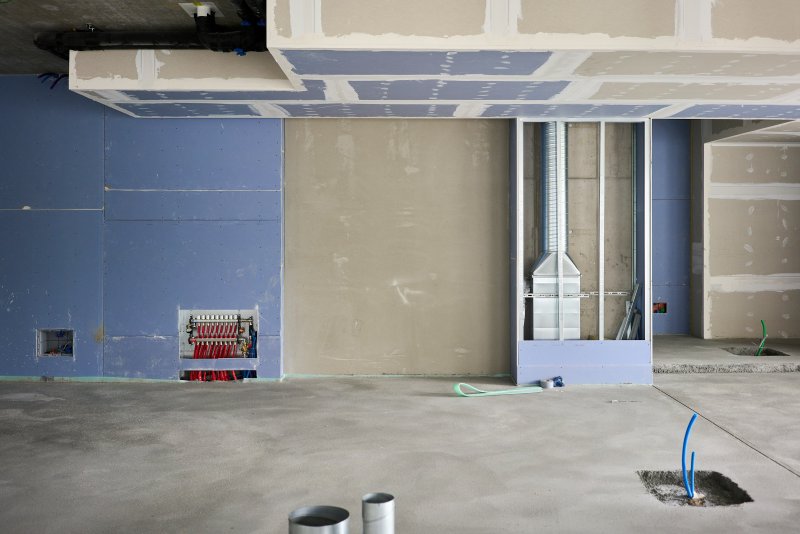
This is the layout decision your plumber probably won’t bring up unless you ask, and it changes both your install cost and your long-term water/energy waste.
Trunk-and-branch
Big 3/4" PEX trunk runs from the water heater along an interior chase or above the ceiling. Smaller 1/2" branches tee off the trunk to feed each fixture. This is the layout copper has used for 80 years, so every plumber knows the pattern, and material cost is low.
The downside is fitting count. Every fixture branch needs a tee or elbow off the trunk, so the wall cavities end up loaded with concealed connections, each one a potential leak point. Hot water also sits in line: the trunk holds a column of cold water that has to flush before the hot arrives at distant fixtures.
Home-run manifold
A central manifold (think of a circuit-breaker panel for water) sits near the water heater. A dedicated 3/8" or 1/2" PEX line runs from the manifold straight to each fixture — its own home run, with no tees in between. Each line gets its own shutoff valve at the manifold, so you can isolate the kitchen sink without killing water to the rest of the house.
You’ll burn 1.5x to 2x more linear feet of PEX, so material cost climbs $400 to $1,200. Fittings drop sharply in exchange. Nothing branches mid-run, so the only joints sit at the manifold itself and at the fixture stub-out. Each dedicated line is shorter, so hot water reaches far fixtures faster, and a leak at any one line gets isolated at the manifold valve without killing the whole house. The shutoff convenience alone wins over plumbers who have crawled an attic at 1 a.m. once or twice.
Submanifold
A compromise that’s gaining ground in larger homes. Instead of one central manifold feeding the whole house, you put small manifolds in each “zone”: the master bath, the kitchen, the laundry. A trunk feeds each submanifold. Less PEX than home-run, fewer fittings than trunk-and-branch, with most of the hot-water-delivery benefit when the submanifold sits close to its fixtures.
For most retrofits, the right answer is a submanifold layout with PEX-B in the trunk and PEX-A in the slab or concealed-tile runs. That’s the configuration you’ll see on remodels by plumbers who do this every week, not just on referrals from your neighbor.
What’s not in the base quote
Read every repipe estimate for these line items. Their absence is where bids look cheap on paper but blow up at invoice time.
- Drywall patch and texture. Repipe access requires cutting open walls and ceilings, typically 30 to 50 holes in a 2,000 sq ft house. Patching, taping, sanding, and texture-matching adds $400 to $1,000. Some repipe companies include this; many stop at the plumbing rough-in. Get it in writing.
- Paint. Touch-up paint after texture is almost never included. Plan another $300 to $800 for a painter to feather the patches, or expect visible repair zones.
- Permits and inspections. $50 to $400 depending on jurisdiction. Some plumbers bake this into the quote; others bill at-cost after the fact.
- Tile and stone access. Showers and tub surrounds that need to be opened add real cost (tile floors, even more). A tile setter to demo and reset a section runs $300 to $1,200 per access point. Bypass via wall cavity or attic if at all possible.
- Hose bibs, ice-maker line, fridge line, washing-machine box. Older homes often have these in copper; the repipe is a chance to replace them too. Add $75 to $200 each if not on the quote.
- Old pipe removal. Most repipes leave the old copper or polybutylene in the walls as inert metal/plastic. Demolition and haul-off adds $500 to $1,500. Almost never worth doing for plumbing reasons alone.
When a repipe is worth doing now
Four triggers move “someday” to “this quarter”:
- Polybutylene anywhere in the system. If your house was built between 1978 and 1995 and you see grey or off-white plastic pipe entering the water heater, it’s polybutylene. Replace it. Insurance carriers (Florida’s Citizens Property Insurance most loudly) refuse to renew policies on poly-B homes. The repipe is cheaper than losing coverage or paying the surcharge premiums; some Florida quotes now exceed the cost of the repipe itself in a single year.
- Second pinhole leak in the same copper system. Once water chemistry has thinned your copper to foil, the next leak is on its way. Three spot repairs at $1,500 each is $4,500 spent without a single new pipe. The same money started a permanent PEX repipe. Our slab leak repair guide covers the spot-vs-repipe math in detail.
- You’re already opening the walls. A whole-house gut renovation or any major drywall demo (a kitchen plus master-bath remodel counts) means the access is free. Repiping during a remodel costs 20 to 35% less than scheduling the same job stand-alone. Decide before the drywaller closes the walls back up.
- Two or more shutoff valves in the house no longer hold. When the angle stops at the toilets and sinks weep or won’t fully close, the rest of the system is the same vintage. Replacing valves piecemeal usually costs more than budgeting toward the repipe.
A weaker fifth case: recurring slow drips at fixtures or chronic discolored hot water. These usually point to localized failure, not a system-wide problem. Diagnose first. Don’t repipe a healthy house because of one cranky shutoff valve.
Picking a repipe contractor
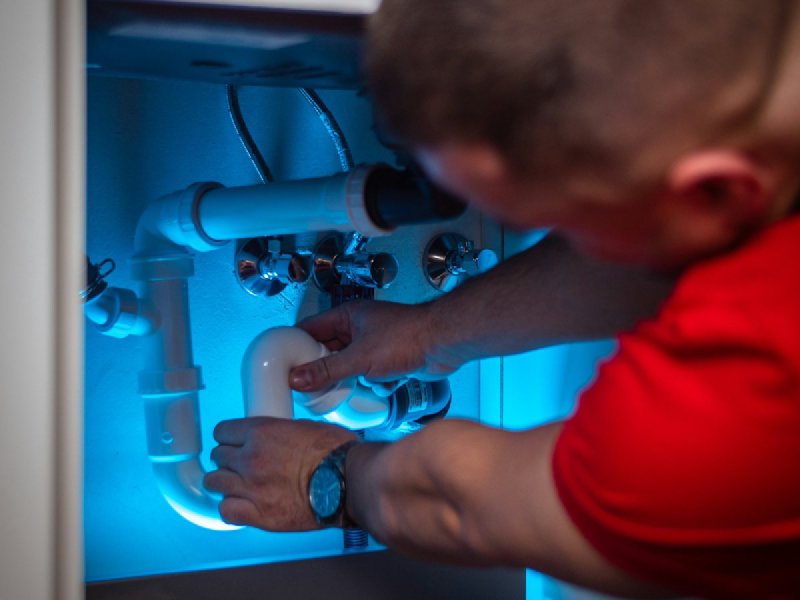
Four criteria that separate repipe specialists from the cheapest-bid trap:
- Repipe specialty, not general plumbing. Companies that do repipes weekly will quote faster, finish in fewer days, and own the patch crew in-house. A general plumber who does one repipe a quarter learns on your house.
- Itemized scope. Materials (PEX brand and type), connection method (crimp/cinch vs ProPEX expansion), layout (trunk/manifold/submanifold), drywall patch level (no texture / orange-peel match / knockdown), permit handling, fixture replacements. One lump-sum number is hiding markup somewhere.
- License, bond, plus active insurance verified. Look up the license number on the state board directly (California: CSLB C-36; Texas: Texas State Board of Plumbing Examiners; Florida: CILB). Don’t accept a screenshot.
- Manufacturer warranty registration. If the contractor uses Uponor PEX-A with ProPEX fittings, the 25-year transferable warranty has to be registered in the homeowner’s name. Ask for the registration confirmation. No paperwork = no warranty.
The cheapest bid often skips drywall finish, uses generic crimp fittings on no-name PEX, and is from a plumber who’ll be off your project the moment a higher-paying emergency call comes in. The middle bid from a repipe specialist is almost always the right one.
For pricing context on related work, see the slab leak repair cost guide for spot-fix economics, and the plumbing cost hub for sewer line replacement plus water heater and emergency leak repair pricing.
National pricing here was cross-referenced against Replumbs’ 500-quote analysis and Fine Homebuilding’s PEX layout guide .