Scope clarity that makes contractor bids actually compare.
Remodeling bids vary more than any other home services category — the same kitchen scope can quote at twenty-five thousand or eighty thousand depending on what's bundled and what's a change order waiting to happen. Pool installation has the wildest spread: thirty thousand to one hundred thousand for the same shape. We break down where the variation lives and how to write a scope of work that contractors quote against.
What a Remodeling Project Can Include
Kitchen and Bathroom Remodels
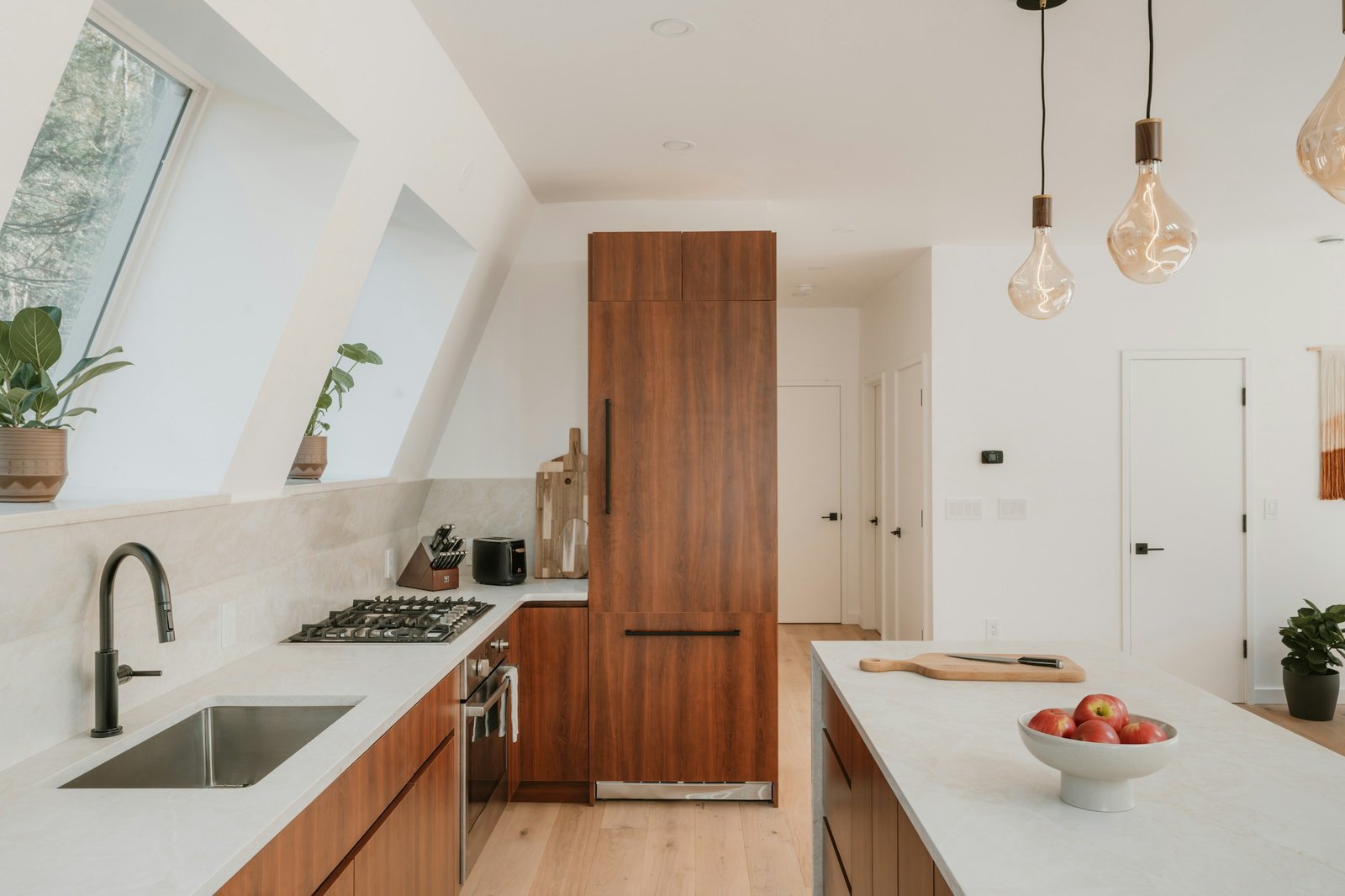
Full kitchen rebuilds, cabinet refacing, countertop swaps, bathroom remodels, walk-in shower conversions, and accessibility retrofits. Scope clarity — is this a refresh, a redo, or a gut? — is what separates a contained budget from runaway change orders.
Additions, ADUs, and Conversions
Home additions, sunrooms, second-story builds, basement finishing, garage conversions, and accessory dwelling units. Square-footage adds carry structural, foundation, and code consequences that surface as the design develops, not after the bid lands.
Outdoor Living and Pool
Inground pools, hot tubs, swim spas, outdoor kitchens, fire pits, pergolas, and patio covers. Pool projects in particular bundle a contractor scope plus a separate deck, fence, electrical, and water-feature scope — the headline number rarely covers all four.
Electrical, Doors, and Specialty
Panel upgrades, EV charger installs, whole-home generators, garage door replacement, entry-door swaps, recessed lighting, heated floors, and the dozens of mid-scope projects that compound when the panel can't take more circuits.
Common Questions from Homeowners
Why do remodeling quotes vary so much?
Three reasons: scope ambiguity (what's actually included), allowance ranges (cabinets at $5,000 versus $25,000 hide in the same line), and change-order policy. Two contractors quoting against the same drawings will land within 15 percent if the scope is tight; they'll vary 3x if it isn't.
Cost-plus or fixed-price contract?
Fixed-price works when the scope is fully defined — replacing cabinets, painting, swapping fixtures. Cost-plus makes sense for additions and gut remodels where the scope can't be locked until walls open. The wrong fit either way costs five percent in disputes; the right fit saves it.
How do I prevent change orders?
Decide finishes before signing, allow 10–15 percent contingency in writing, and require a written change order with cost and schedule impact before any extra work proceeds. Contractors who want a verbal yes are setting up a bill you can't audit.
Remodeling Sub-categories
Explore deeper guides on specific remodeling topics.
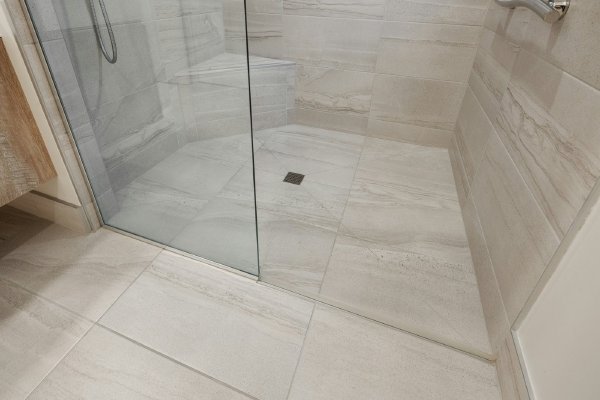
Conversion paths priced against your actual scope.
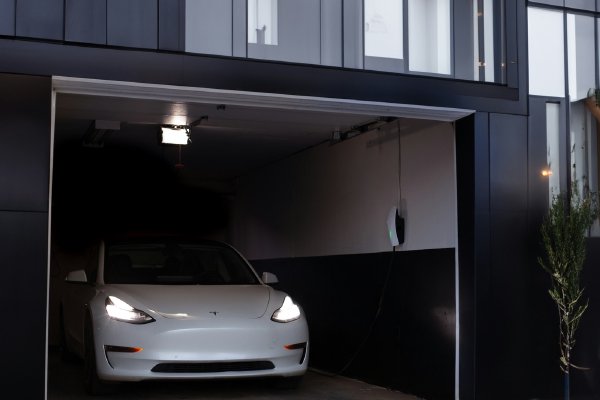
Where the panel decides the project budget.
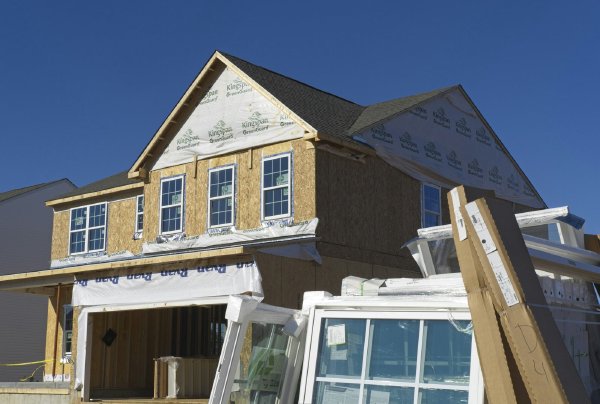
Adding square footage with a scope that holds the bid.
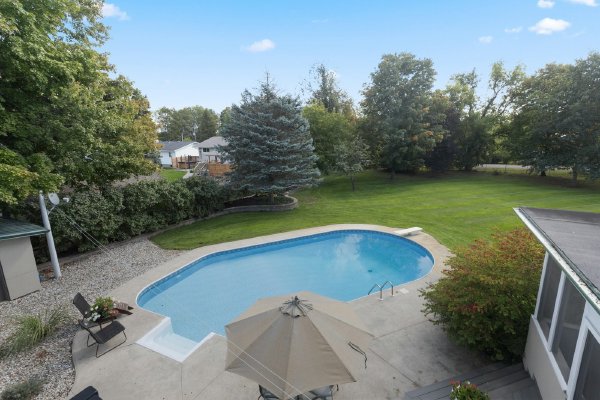
Why the pool quote is half the real number.
Remodeling Articles
In-depth guides on specific remodeling topics.
Garage door cable repair runs $150–$300 for both cables, $250–$550 when a torsion spring snapped too. Real 2026 pricing, after-hours rates, and DIY warnings.
Garage door opener repairs run $100–$500 depending on the part. When a logic board or motor exceeds $300, a new opener installed at $300–$800 wins.
Garage door repair averages $150–$350, but scope drives the bill: spring $150–$350, panel $250–$1,000, full replacement runs $700–$3,500 installed.
Same-day garage door repair runs $150–$350 plus a $50–$300 emergency surcharge. What to say on the dispatcher call and how to vet the truck that arrives.
Remodeling FAQ
Anything structural, electrical, plumbing, mechanical, or that adds square footage requires a permit in most jurisdictions. Cosmetic refresh — paint, flooring, fixture-for-fixture — usually doesn't. A contractor who tells you the permit is optional is hiding something.
Six to twelve weeks once cabinets arrive on site. Cabinet lead times are the long pole — semi-custom can run 8–14 weeks, fully custom 16–24. Plan the schedule around the cabinet ship date, not the demo date.
On materials: 15–25 percent. On subcontractors: 10–20 percent. On general overhead and profit: 15–25 percent of project total. A bid with no overhead-and-profit line isn't cheaper — it's hidden.
Ten percent for a defined-scope remodel; 15–20 percent for older homes where opening walls reveals surprises; 20–25 percent for additions where foundation or structural conditions can't be confirmed without excavation. Underbudgeted contingency is the leading cause of unfinished projects.