Conversion paths priced against your actual scope.
The average $3,000 tub-to-shower headline you see on aggregator sites covers tub cuts and the lowest-spec acrylic inserts. Most contractor-built conversions land between $5,000 and $14,000 once you add new valves, glass, and a real waterproofed pan. We separate the four conversion paths so you can match your scope to the right number, instead of arguing with a contractor whose quote is triple what HomeAdvisor told you to expect.
What a Bathroom Shower & Tub Project Can Include
Tub-to-Shower Conversion
Removing an alcove tub and rebuilding the space as a walk-in shower. Acrylic inserts (cheapest, fastest), tile rebuilds (mid-range, customizable), and curbless walk-ins (highest cost, ADA-friendly). Each path has a different drain, valve, and waterproofing scope.
Walk-In Showers and Tile Work
Full tile showers with proper substrate (cement board or foam panels), liquid waterproofing membrane, drain assemblies, and curb or curbless designs. Tile choice drives material cost; the labor cost is in the substrate prep most homeowners never see.
Bathtubs and Specialty Installations
Alcove tubs, drop-in tubs, freestanding tubs, walk-in tubs, and jetted spa tubs. Walk-in tubs serve aging-in-place clients but require dedicated 30-gallon water heater capacity. Freestanding tub plumbing must be in-floor — that drives demolition cost.
Glass Enclosures and Accessibility
Framed, semi-frameless, and frameless glass enclosures plus curbless conversions, ADA-clearance grab bars, and aging-in-place modifications. Frameless glass adds $1,500–$4,000 over framed; curbless conversions add structural drain modifications worth scope-checking.
Common Questions from Homeowners
Acrylic insert or tile rebuild?
Acrylic runs $4,000–$8,000 installed and finishes in 2–3 days. Tile runs $8,000–$18,000 and takes 1–2 weeks. Acrylic shows wear at year 8–12; tile lasts 25+ years if waterproofing is correct. Choose tile if you'll own the home long-term; acrylic if you're fixing it before sale.
Do I need to upgrade the valve?
Yes — almost always. Pre-1990 valves typically aren't pressure-balanced or thermostatic, which modern code requires for new fixtures. The valve swap usually costs $400–$900 in addition to fixture cost; skipping it leaves you scalding-risk and code-noncompliant.
What's a 'curbless' shower and is it worth the cost?
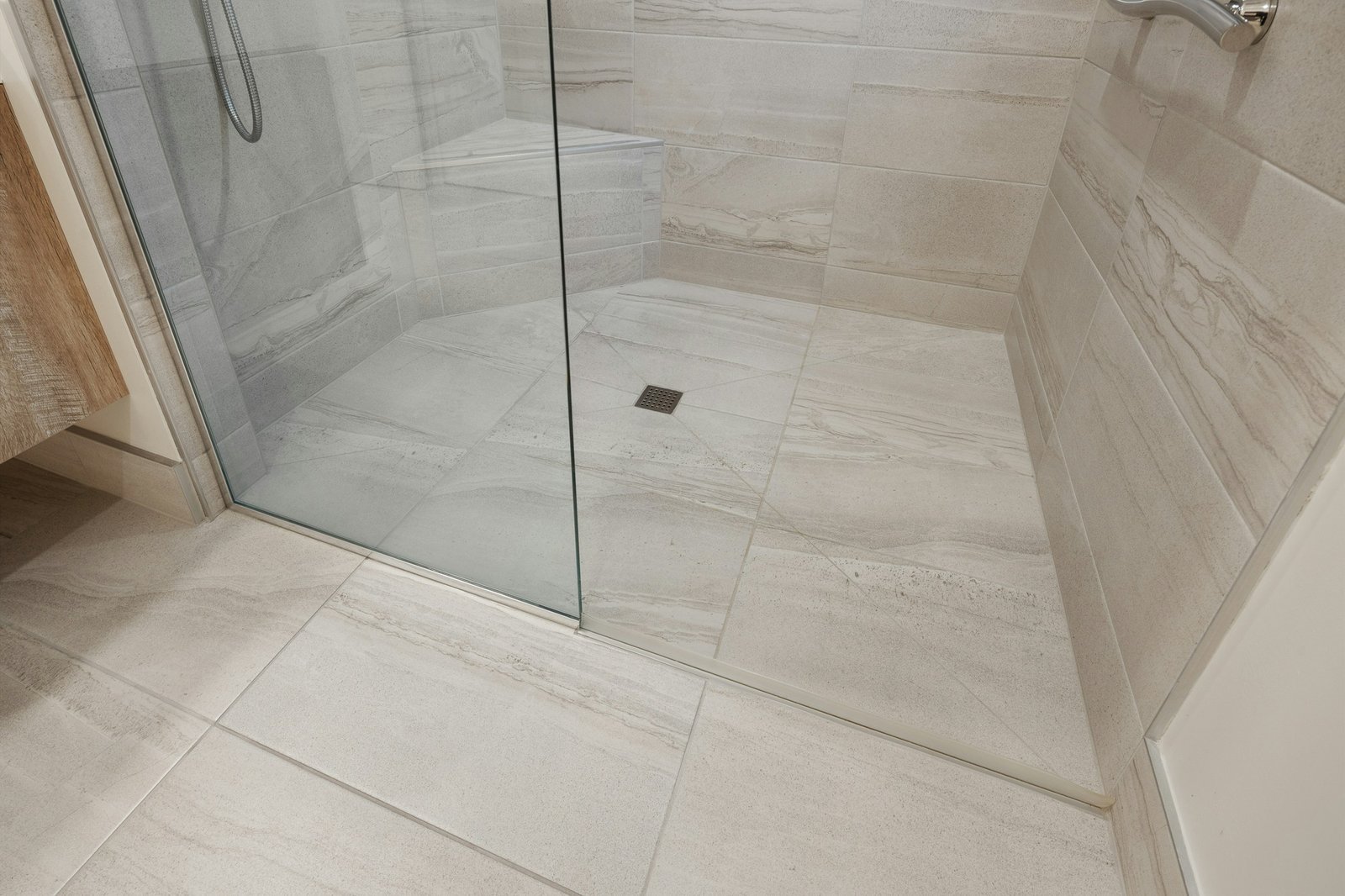
A curbless shower has no raised threshold; the floor pitches into a linear drain. It's ADA-compliant and visually opens the space, but requires dropping the shower-pan substrate below floor level. Adds $2,000–$5,000 versus a curbed pan. Worth it for aging-in-place; debatable for pure aesthetics.
Bathroom Shower & Tub FAQ
Acrylic systems: 1–3 days. Tile rebuilds: 7–14 days, with the waterproofing-and-cure window setting the schedule. Water-off duration is shorter than the project — most contractors cap fixtures so the home stays usable.
Sometimes, but not in a wet area. Showers and tub surrounds need a proper waterproofing membrane behind the new tile, which requires removing the old. Tile-over-tile in dry areas (floors outside the wet zone) is acceptable when the substrate is sound.
Liquid-applied membranes (RedGard, AquaDefense) are paint-on. Sheet membranes (Schluter Kerdi) are plastic-bonded. Foam-board systems (Wedi, Schluter) are pre-waterproofed substrate. All three work when installed per manufacturer spec; cost differences are small compared to labor difference.
Walk-in tubs solve the bath-but-not-step-in problem; curbless showers solve the step-in problem entirely. For wheelchair access, curbless wins. For someone who specifically wants to bathe seated, a walk-in tub fits. Plan around the user's actual needs, not the marketing pitch.