Where the panel decides the project budget.
The electrical work behind a home upgrade rarely shows up in the brochure photo, and that's exactly where the budget gets spent. A 100-amp panel with no spare slots can turn a clean Tesla Wall Connector quote into a $5,000 project once the upgrade is priced in. A detached garage that's never had power adds a trench. A whole-home standby generator demands a transfer switch sized to your actual peak load. We break down each install so you can read a contractor bid against a real scope.
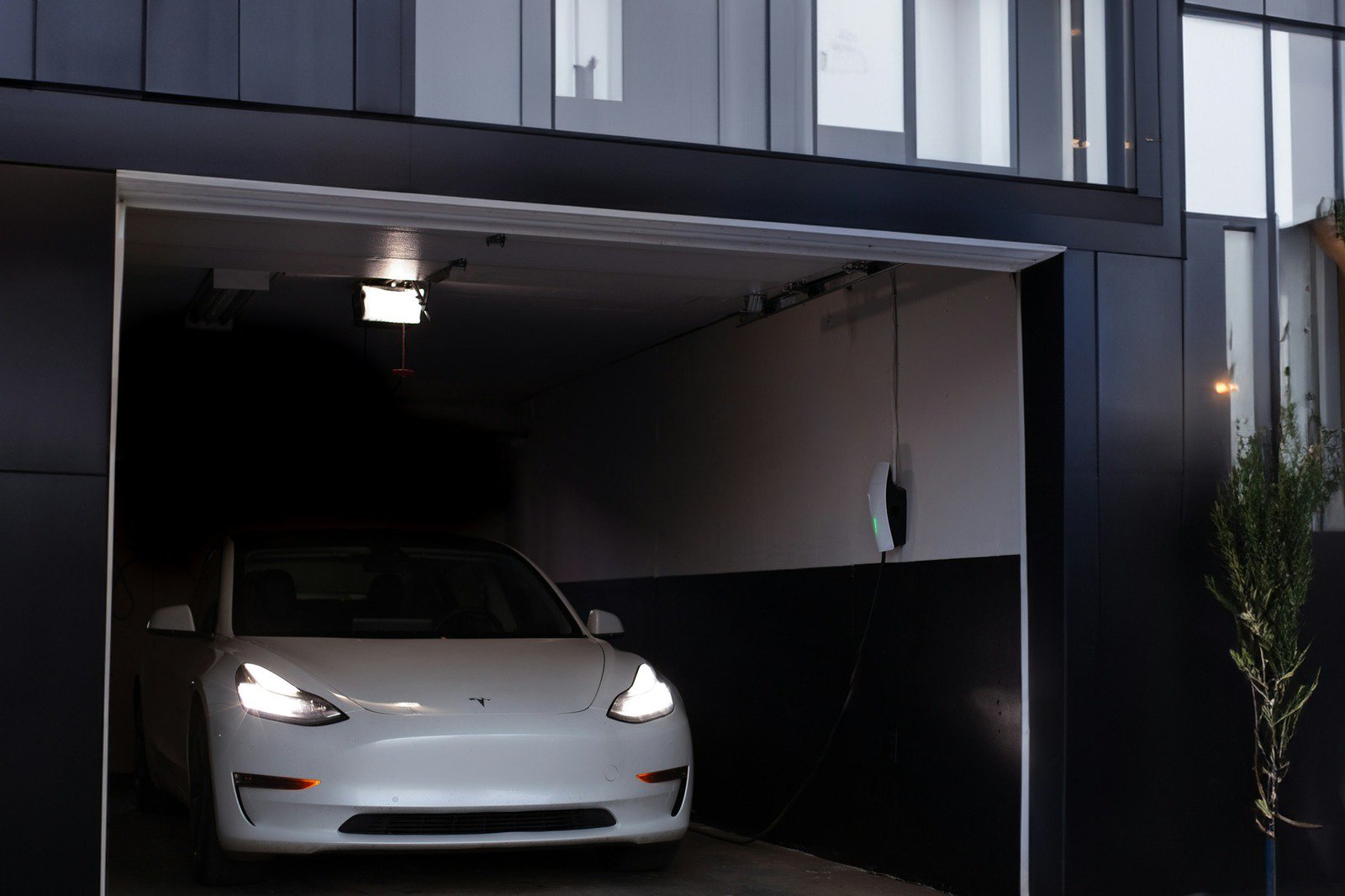
What a Electrical & EV Charger Project Can Include
EV Charger Installation
Tesla Wall Connector, ChargePoint Home Flex, JuiceBox, and other Level 2 chargers on hardwired 48-amp circuits or NEMA 14-50 outlets on 50-amp circuits. Hardwired runs faster and lasts longer; outlets are easier to relocate. Either way, budget the breaker, the wire run, and panel capacity separately.
Panel Upgrades and Service Entrance
100A to 200A panel upgrades, 200A to 400A for high-load homes, and full service entrance replacement (meter, mast, weatherhead). Utility coordination adds 2–6 weeks; permit-to-energize timelines vary by jurisdiction. Underground service drops cost 2–3x overhead.
Generators and Backup Power
Whole-home standby generators (Generac, Kohler, Briggs), portable generator inlet boxes, and battery-storage backup. Standby generators need a transfer switch sized to whole-home or essential-loads, plus a fuel source — natural gas, propane, or diesel — with capacity for multi-day outages.
Sub-Panels and Specialty Work
Detached garage and ADU sub-panels, workshop circuits with proper grounding, recessed lighting, GFCI and AFCI retrofits, and recreational hot tub or pool equipment circuits. Code requires AFCI on most new circuits in living spaces; a retrofit hit by a code update is more expensive than expected.
Common Questions from Homeowners
Hardwired EV charger or NEMA 14-50 outlet?
Hardwired 48-amp Wall Connectors charge 25 percent faster than 40-amp outlets, last longer, and avoid GFCI nuisance trips that plague some plug-in EVSE units. The cost difference is $100–$300 in labor. For a daily driver, hardwired wins; for a seldom-used charger or rental property, an outlet is more flexible.
Do I need to upgrade my panel?
Run a load calc before assuming. Many 100-amp panels can absorb a 40-amp EV circuit if existing major loads (electric range, dryer, AC) leave headroom. NEC 220.83 covers the math. Skipping the load calc and adding a 50-amp circuit anyway is how nuisance trips and trip-and-melt fires happen.
What's a transfer switch and why does the size matter?
A transfer switch isolates your home from the grid when the generator runs — preventing backfeed onto utility lines. Sized to whole-home means the generator must handle your peak load; sized to essential-loads (a sub-panel of priority circuits) keeps the generator smaller and cheaper. Most homes don't need whole-home.
Electrical & EV Charger FAQ
$1,400–$3,200 turnkey for typical installs in 2026. The Wall Connector itself runs $475; the rest is labor, breaker, wire, and conduit. Long wire runs (over 50 feet), panel upgrades, or trenching to detached garages push the high end. The actual price is rarely the headline.
Yes — for any new circuits, panel work, or service modifications. Permit cost is small ($75–$300 typically), but skipping inspection can void homeowner insurance after a fire claim and complicate home sales. Reputable electricians always pull permits; the ones who don't are not actually cheaper.
Standby generators auto-start within 15 seconds of an outage and run unattended on natural gas — $5,000–$15,000 installed. Portable generators with inlet boxes require manual setup and refueling — $1,500–$3,500 total. Choose standby for medical equipment or work-from-home power; portable for occasional outages.
Arc-Fault Circuit Interrupters detect arcing in damaged wiring and trip before fire starts. NEC has required them on most living-space circuits since 2008, expanding scope every code cycle. Adding circuits to an older panel often triggers AFCI requirements that affect cost and panel layout.