Why the pool quote is half the real number.
A backyard pool is the rare project where the contractor's quote is half the real number. The pool kit or shell is one line item; the deck, the barrier, the heater, the equipment pad, the electrical service upgrade, and the recurring liner or resurface job are the rest. Above-ground installs and full inground builds share a keyword but live in entirely different price tiers — $3,000 versus $80,000 — so quotes have to be read against the scope, not the headline.
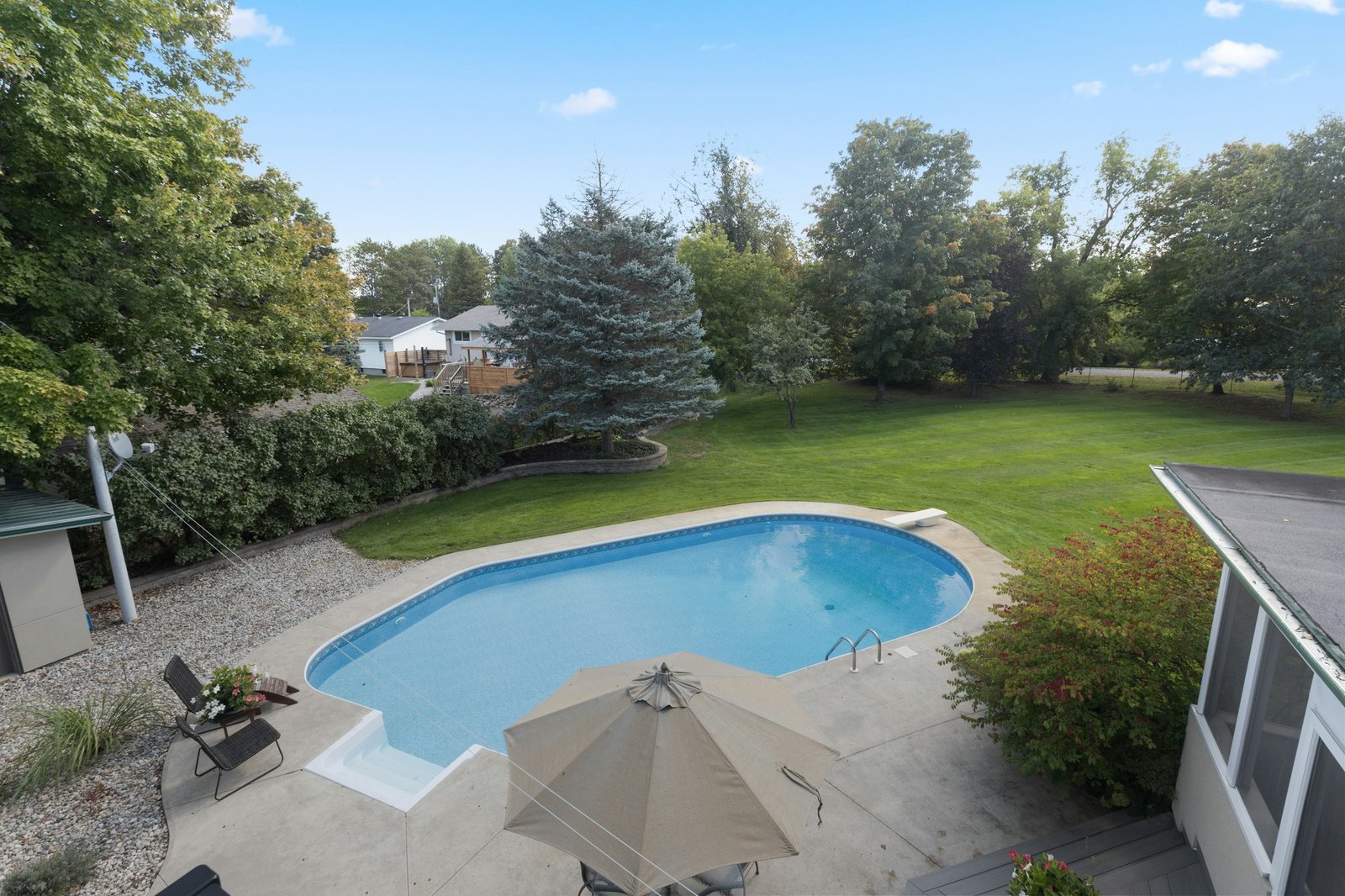
What a Pool & Spa Project Can Include
Inground Pool Construction
Concrete (gunite or shotcrete), fiberglass shell, and vinyl-liner inground pools. Concrete offers shape flexibility and 25-year resurface cycles; fiberglass installs in days but caps at standard shapes; vinyl-liner is cheapest upfront but needs a liner replacement every 8–12 years.
Above-Ground Pools and Spas
Above-ground steel and resin pool kits ($3,000–$15,000 installed), portable hot tubs ($4,000–$15,000), in-ground spas as part of a pool build, and swim spas. The cost gap between portable and inground spa is roughly four to one for similar capacity.
Pool Resurfacing and Renovation
Plaster, pebble, fiberglass, and tile-line resurface jobs on existing pools. Resurface cycles run every 8–25 years depending on material and water chemistry. Replastering is invasive — drain, prep, and 7–14 days of cure. Pebble finishes cost more upfront and last longer.
Heaters, Equipment, and Removal
Gas, heat pump, and solar pool heaters; equipment pad upgrades; safety barriers; and full pool removal. Pool removal options range from partial fill (cheaper, but disclosure-required at sale) to full demolition with backfill compaction (more expensive, but appraises clean).
Common Questions from Homeowners
Concrete, fiberglass, or vinyl-liner?
Concrete: $50,000–$120,000+, fully customizable, longest lifespan, refinish every 15–25 years. Fiberglass: $40,000–$80,000, fastest install, limited shapes, refinish every 25+ years. Vinyl-liner: $30,000–$70,000, cheapest upfront, replace liner every 8–12 years. Total 30-year cost lands closer than the install difference suggests.
What does the contractor's quote not include?
Typically not included: the deck (add $5,000–$25,000), the safety barrier or fence (often required by code, $2,000–$10,000), pool heater ($3,000–$8,000), electrical service upgrade if needed ($2,000–$6,000), and landscape repair after construction. Get each line itemized — or get blindsided.
Heat pump or gas pool heater?
Heat pumps run efficient operating cost in mild climates ($600–$1,200 per season for a typical pool) but lose capacity below 50°F air temperature. Gas heaters cost twice as much to operate but heat fast and work in any weather. Heat pumps fit shoulder-season swimming; gas fits cold-snap rescue.
Pool & Spa FAQ
Concrete: 8–14 weeks from permit to swim. Fiberglass: 3–6 weeks (shell sets in days, but deck, equipment, and finish work take time). Vinyl-liner: 4–8 weeks. Permit timeline plus weather adds 2–6 weeks in many jurisdictions; California and northeastern states can run 4–6 months total.
Most jurisdictions require a 4-foot self-closing self-latching barrier between the home and the pool. Some require alarms on doors leading to the pool area. The fence is rarely included in pool quotes; add $2,000–$10,000 to the budget. Skipping the permit-required fence kills home insurance coverage.
Partial removal (break the bottom, fill with rubble and topsoil) costs $4,000–$10,000 and must be disclosed at sale. Full demolition (remove all materials, compact backfill, certify) costs $10,000–$25,000 but the lot appraises as if the pool never existed. The difference shows up in resale price.
In hot climates and high-end neighborhoods — sometimes yes, recovering 30–50 percent of cost. In cooler climates and middle-market homes — often a net liability at sale. Buyers either want a pool and pay a premium, or don't want one and walk. Build a pool for use, not for resale recovery.