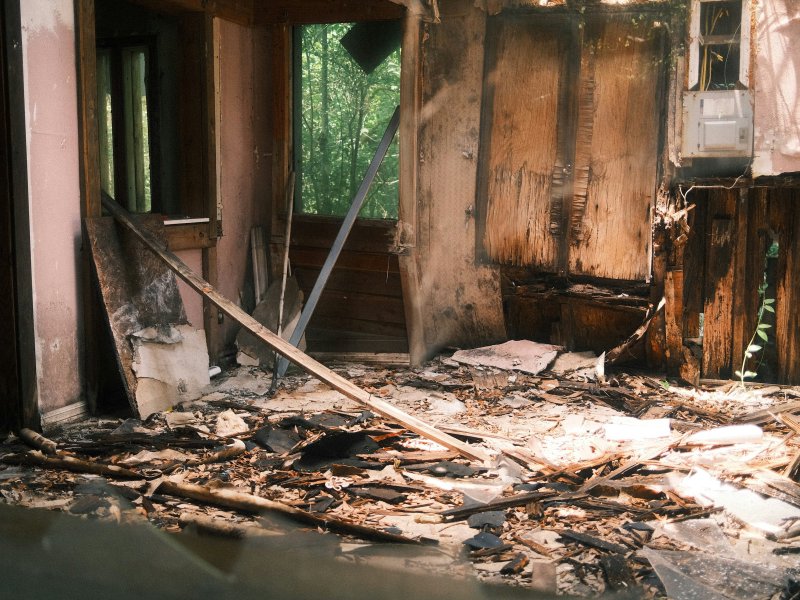
Fire damage restoration runs $4 to $7 per square foot for cleaning and selective rebuild scope, with most residential projects landing between $3,000 and $52,000 and an average around $27,500 per Angi’s 2026 data . The wide spread is not sloppy estimating. It reflects three contractually separate scopes the bid should always break out: emergency mitigation, content cleaning plus deodorization, and structural rebuild. A minor cooking fire needing smoke cleanup only can settle below $1,000. A whole-home loss with structural framing damage can clear $180,000 once rebuild kicks in at $180 to $450 per square foot.
The new ANSI/IICRC S700 First Edition (2025) is the first ANSI consensus standard dedicated to fire and smoke damage restoration, analogous to S500 on the water side. Published in January 2025 after over a decade of drafting, it governs how the work is scoped, documented via a Restoration Work Plan, and cleaned to defined residue-assessment standards. It also sets contractor qualification requirements. (Wildfires sit outside its scope.) What follows is what the bill actually buys you, why the smoke type drives the method and the math, and how to vet the crew before you sign.
How the bid actually splits
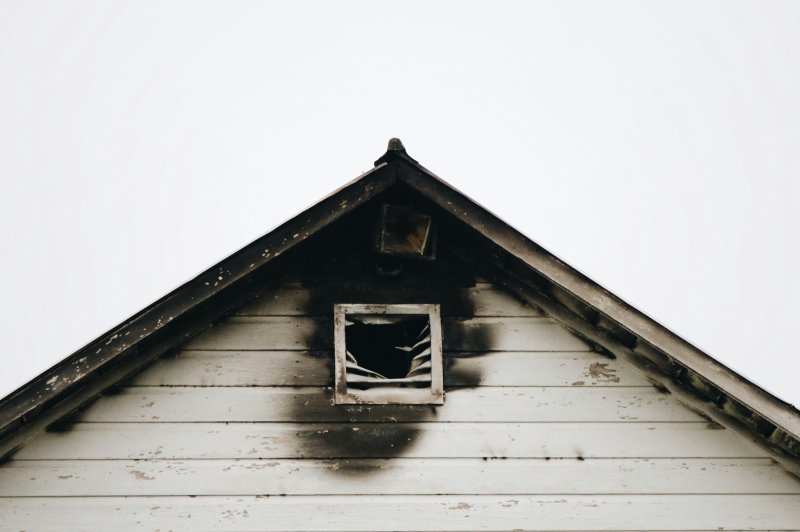
A bundled “fire damage restoration” number is misleading because three separate contracts hide inside it. Insurance pays each stream differently. Reading them one at a time is how you spot a padded scope.
Emergency mitigation comes first. Hours one through forty-eight after the fire department leaves. The crew boards up missing windows and doors, tarps any roof opening, extracts water from firefighting, and runs the initial structural assessment. This is the line item that protects the rest of the claim. Leave a roof open through one rainstorm and the cleanup contract turns into a roof and ceiling replacement. Most insurance policies cover this preventative work even when there’s a coverage dispute about the underlying fire.
Content cleaning and pack-out is the second scope. Furniture, clothing, electronics, books, artwork, and kitchen items. The pack-out is performed off-site at the restoration company’s facility. You’ll see line items like furniture deodorizing at $300–$1,000 per piece, electronics cleaning at $500–$5,000+ depending on flame exposure, and damaged-item removal at $50–$125 per pound when items aren’t salvageable. A typical 2,000 sq ft home with moderate smoke exposure runs $5,000–$15,000 in content scope alone. Insurance pays from the contents portion of the policy, separate from dwelling coverage.
Structural cleaning and rebuild is the third. Walls, ceilings, framing, flooring, HVAC, electrical. Cleaning side: smoke and soot removal at $500–$5,000 whole-house (HomeGuide 2026 data ) or $200–$1,200 per room (Angi). Rebuild side runs whatever the damage demands: drywall installation $8,000–$30,000, kitchen rebuild $15,000–$50,000, roof replacement $6,000–$16,000 if framing is compromised, electrical $2,000–$6,000+. A structural inspection at $350–$900 comes first to scope what actually needs to come out versus what cleans.
The line that catches homeowners off-guard: labor is 50% to 70% of the total on a typical bid, and approaches 100% on light-damage smoke-only scopes per Angi. Equipment is amortized across hundreds of jobs and material costs are low; what you’re paying for is the labor of scoping, cleaning, documenting, deodorizing, and writing the Xactimate-format file the adjuster needs.
Cost by home size and fire class
Two variables drive the cleaning-side estimate before any rebuild scope is added: total square footage exposed and what burned. A larger house spreads soot further. A grease fire (Class K) leaves protein residue that costs more to clean than a paper-and-wood fire (Class A) on the same floor plan.
| Home size | Average restoration |
|---|---|
| 1,000 sq ft | $4,000 – $7,000 |
| 1,500 sq ft | $6,000 – $10,500 |
| 2,000 sq ft | $8,000 – $14,000 |
| 2,500 sq ft | $10,000 – $17,500 |
| 3,000 sq ft | $12,000 – $24,500 |
| 4,000 sq ft | $16,000 – $28,000 |
Source: HomeGuide and Angi 2026 cost data, restoration scope (cleaning plus selective rebuild). Total-loss rebuild adds $180–$450+ per square foot on top of those numbers.
The fire class designation comes from the NFPA system every fire department and restoration trade uses, and each class produces a different residue profile that maps directly to a different cleaning method, which is how two fires of identical square footage can land on opposite sides of the cost spread.
| Fire class | What burned | Restoration cost |
|---|---|---|
| Class A | Wood, paper, cloth, ordinary combustibles | $8,000 – $14,000 |
| Class B | Flammable liquids — gas, oil, grease, paint | $12,000 – $18,000 |
| Class C | Electrical equipment, appliances, wiring | $10,000 – $23,000 |
| Class K | Kitchen fires, vegetable and animal fats | $11,000 – $20,000 |
| Class D | Combustible metals (mostly industrial) | $15,000 – $25,000 |
Class A is the most common residential fire and the cheapest to restore because dry smoke from oxygen-rich combustion produces a fine, powdery residue that lifts off non-porous surfaces with HEPA vacuums and chem sponges. Class K and Class B are pricier per square foot because the residues are sticky or oily, sometimes both. State-level averages on full-restoration scope, per Angi’s 2026 data: California $91,700, New York $78,200, Florida $64,900, Texas $58,700; coastal states and major metros run highest, tracking labor cost of living the same way every other restoration trade does.
The smoke type matrix
This is the section that’s missing from most homeowner cost guides and the one that determines whether your bid is realistic. Smoke isn’t smoke. The chemistry of what burned dictates the residue, and the residue dictates the method. A contractor who quotes you a per-square-foot rate without naming the smoke type either hasn’t been on-site yet or is going to revise the bid the moment they walk in.
| Smoke type | What caused it | Residue | Cleaning approach |
|---|---|---|---|
| Dry smoke | Fast, hot, oxygen-rich fires (most wood, paper) | Fine, powdery, dusts off | HEPA vacuum, dry chem sponges, mild solvents |
| Wet smoke | Slow, smoldering fires (rubber, plastic, synthetics) | Thick, sticky, smudges on contact | Solvent cleaning, often refinishing of porous surfaces |
| Protein smoke | Kitchen fires (meat, fish, poultry, oils) | Thin, nearly invisible greasy film, intense lingering odor | Enzyme-based cleaners, degreasers, steam |
| Fuel oil smoke | Furnace puffback | Oily, widely deposited soot | Solvents, full HVAC duct decontamination |
| Plastic smoke | Synthetic materials | Corrosive — pits metals, ruins electronics | Aggressive cleaning plus electronics replacement |
Wet smoke is the contractor’s worst case on cleaning side because the residue physically smudges when wiped, so a careless tech doubles the area that needs work. Protein smoke is the homeowner’s worst case on odor because the visible cleanup looks done while the smell stays for months without aggressive enzymatic treatment and thorough HVAC deodorization. Two fires of identical square footage with different smoke types can run double or triple cost difference, which is why the bid should always identify the residue category up front.
Deodorization is its own decision
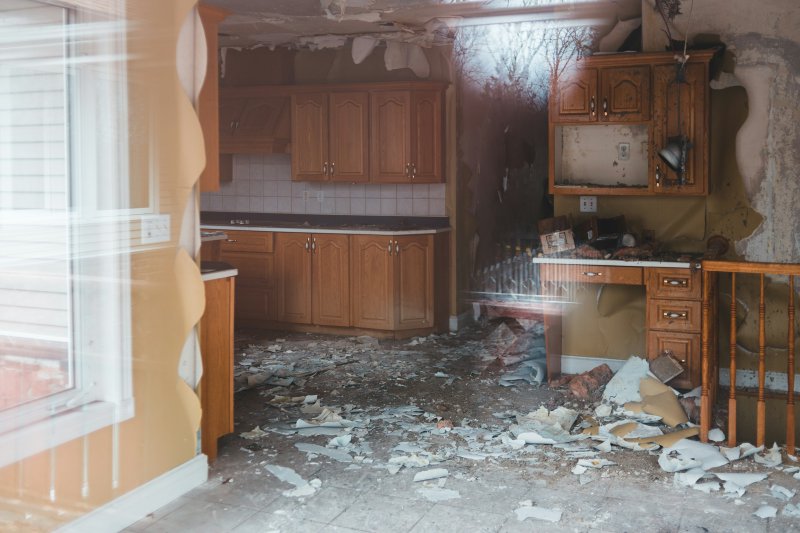
Once cleaning is done, smoke odor is a separate problem with its own technology choice. Three methods, none of which is universally better.
Hydroxyl generators produce hydroxyl radicals that break down odor molecules at a rate of about 3–5 days for a typical residential cycle. The advantage that matters: hydroxyl is safe in occupied spaces and gentle on materials including electronics, artwork, rubber, and fabric. Crews keep working in the same building. The total project clock is usually shorter with hydroxyl despite the slower deodorization rate, because no work stops.
Ozone shock treatment runs $300 to $1,000 per HomeGuide’s 2026 data and finishes in 1–12 hours. The catch: the building must be fully evacuated (people, pets, plants, all out) and aired out before anyone returns. Ozone is a respiratory irritant. It also degrades rubber, plastic, paint, and fabric over repeated exposure. The case for ozone is a vacant property where speed matters and nothing biological or sensitive needs protection.
Thermal fogging runs $200 to $600 per floor. The deodorizing fog penetrates porous surfaces (drywall, insulation, framing) at the molecular level the way smoke originally did, neutralizing odor at depth. It’s the standard adjunct to either ozone or hydroxyl on heavy-smoke jobs and especially on protein smoke where surface cleaning alone won’t kill the smell.
A typical residential job uses thermal fogging plus one of the other two: hydroxyl if the property is occupied or has electronics worth keeping, ozone if it’s empty and the schedule is tight. Standalone ozone treatments in occupied homes are a red flag from a contractor optimizing for their truck schedule rather than your lungs.
The HVAC system is its own deodorization scope. Smoke residue lives in the supply and return ducts, on the coil, on the blower wheel, and gets re-circulated for months afterward if you skip it. Duct cleaning runs $300–$1,000 post-fire (HomeGuide), full HVAC system cleaning $250 to $1,200. On any whole-house fire, this isn’t optional.
What the first 48 hours actually buy
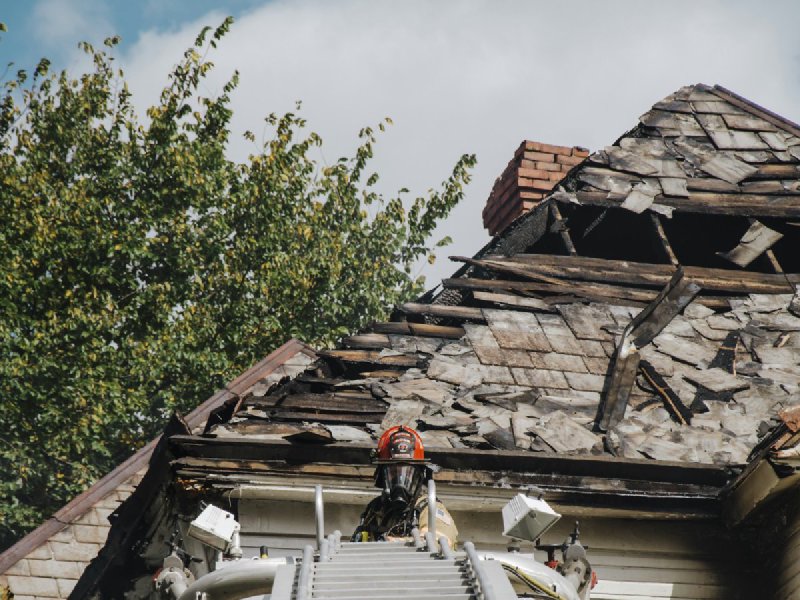
Restoration begins the moment the fire department releases the property, not the moment the cleanup contract is signed. A crew that arrives on hour two does materially different work than a crew that arrives on day three.
Board-up of broken or missing windows and doors is the first item. Plywood or OSB cut to opening, fastened to framing, painted on visible elevations if the loss is in a regulated historic district. Tarp-over of any roof opening uses heavy-duty tarp anchored on rafters or sheathing. The goal is keeping rain and debris out — animals are a third nuisance worth excluding — for the days or weeks until rebuild starts.
Water extraction is concurrent. A working fire of any meaningful size leaves behind hundreds to thousands of gallons of firefighting water. CDC guidance on flood cleanup says to dry materials within 24 to 48 hours to prevent mold growth, which is the same window restoration techs use on the water side. A fire job left wet for three days adds a mold remediation contract on top of everything else; the mold damage cost guide covers what that adds, and the water damage restoration guide walks through dryout in detail.
If a fire sprinkler ruptured or a pipe burst from heat, the source repair is a separate plumbing trade billing $75 to $130 an hour typical, on top of the restoration contract. The restoration crew won’t fix a broken pipe; they’ll extract the water and document the damage for the insurer.
Photograph everything before any equipment moves. Phone camera is fine. Date-stamped photos document the scope for the adjuster, and they’re the homeowner’s only insurance against scope-creep on the bid two weeks later when nobody remembers what the kitchen looked like Friday night.
Verifying the contractor

The fire restoration trade has a low barrier to entry. A truck, a few air scrubbers, a hydroxyl generator, and a website is enough to hang a shingle. The IICRC certification chain is what separates operators who actually know S700 from the rest, and verifying it is a 90-second task you do before signing anything.
The certification you want on the lead technician is IICRC FSRT , the Fire and Smoke Restoration Technician credential. IICRC describes it as covering “scoping, mitigation, cleaning, deodorization, subrogation, spoliation, documentation of residential and commercial fire and smoke damaged structures and contents,” and it has no prerequisites. FSRT is the gateway to the IICRC Master Fire & Smoke Restorer designation. Industry training providers report a multiple-choice exam and continuing-education renewal cycle similar to the WRT credential on the water side.
What to verify on the bid:
- FSRT credential on the lead tech, not just the company. Ask for the technician’s IICRC number and look it up on iicrc.org’s public registry. Certification is on the individual, not the franchise. A SERVPRO truck that arrives with a non-certified lead is the same gamble as an unmarked van.
- State licensing. Restoration work usually requires a general contractor license; state rules vary. California’s CSLB, Florida’s DBPR, and Texas’s TDLR each handle this differently. The license number belongs on the bid; if it’s not there, that’s a problem.
- General liability and pollution-liability insurance. Heavy smoke jobs and content pack-outs without proper coverage are a nightmare. Ask for a Certificate of Insurance naming you as additional insured for the project duration.
- Direct-bill capability with your insurer. “Will you bill the mitigation portion direct?” Yes is the right answer. It means the contractor knows Xactimate, has done the paperwork before, and isn’t going to make you front $20,000 while a check works through the claims office.
A contractor who can’t reference the S700 standard or doesn’t know what FSRT is can still do good work, but they’re operating from training that predates the current ANSI standard. On a complex loss with insurance involvement, the gap shows up in the documentation, which is what the adjuster actually pays from.
Insurance, Xactimate, and the negotiation
Most homeowners insurance covers fire damage from sudden, accidental events, which is the overwhelming majority of residential fires. The carve-outs to read in your declarations: arson, gross negligence (a meaningful percentage of denied claims involve unattended cooking framed as negligence), and certain wildfire exclusions on policies in fire-prone California and Western states.
Behind almost every insurance-paid bid sits Xactimate, the same line-item pricing software roughly 80% of insurance adjusters work in, and what most restoration contractors estimate in to align with how the claim will be priced. Fire and smoke work uses FIRE and MIT line-item codes the way water work uses WTR codes. ZIP-code-specific pricing means a $5,000 cleaning bill in suburban Ohio is genuinely a $9,000 bill in coastal California, and the database knows. Our water damage restoration service cost guide walks through how Xactimate works in detail; the same logic applies on the fire side.
Two questions that filter the contractor list down fast: “Is your estimate in Xactimate format?” and “Will you direct-bill the mitigation portion to the insurer?” Yes to both means you’re talking to a contractor who works the insurance channel and writes bids the adjuster will accept without three rounds of revisions. Yes to neither means you’re paying out of pocket up front and chasing the reimbursement on your own.
Fire restoration is one of the few home-services scopes where the bid being higher than expected isn’t usually overcharging. Often it’s the contractor including line items (deodorization, content pack-out, HVAC decontamination) that should have been there all along. The bid being lower than expected is the warning sign. Cheap fire restoration is fire restoration that left smoke in the framing, and you’ll smell it next winter.