Buying repair work under duress without paying for it twice.
Restoration is the only home services category where homeowners are usually buying under duress — flooded basement, foundation crack, mold disclosure on a sale. Insurance covers some of it, but adjusters underestimate scope and contractors mark up emergency rates 40–60 percent. We break down what's covered, what to negotiate, and which contractors are actually IICRC-certified instead of just claiming to be.
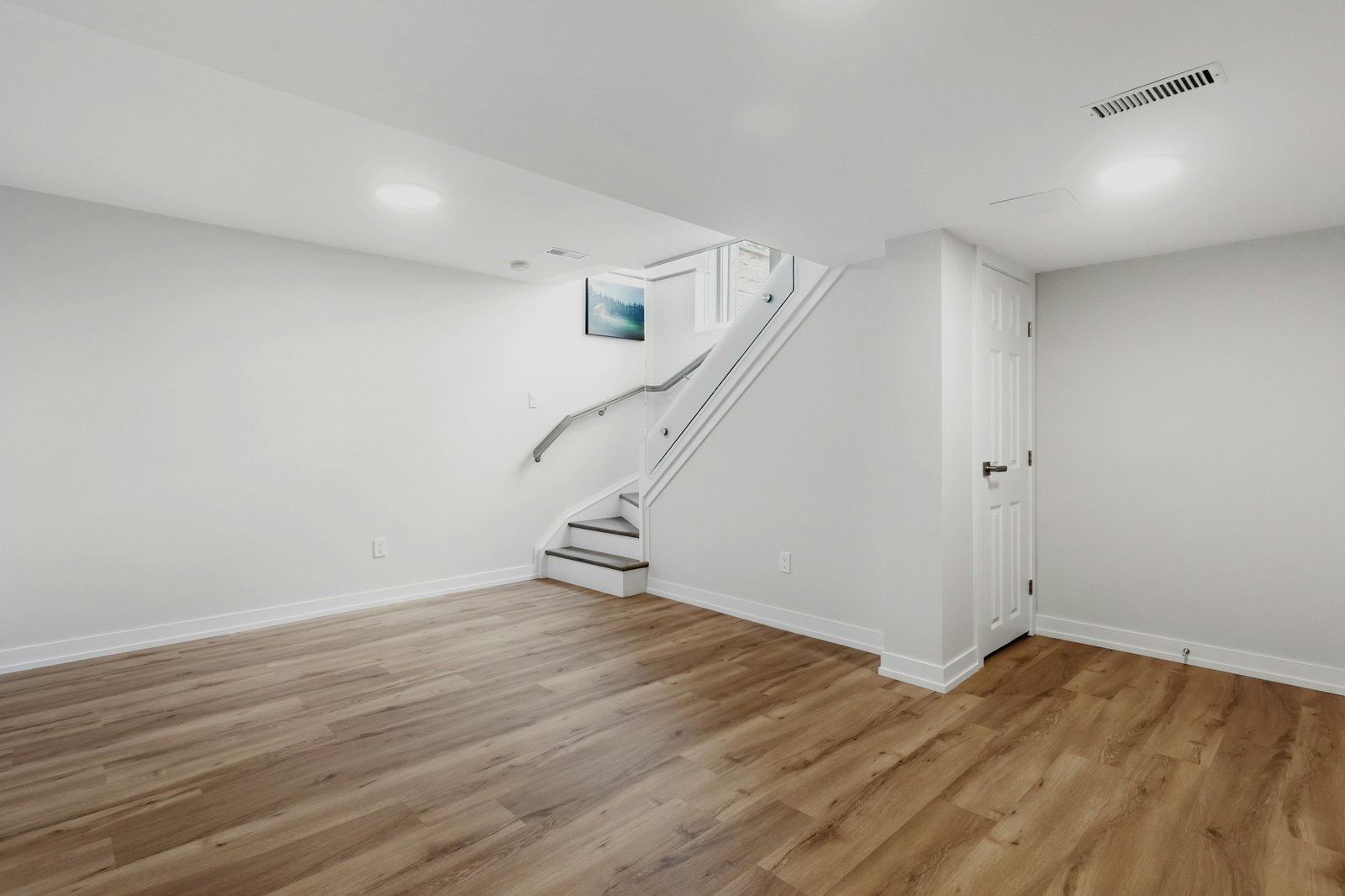
What a Restoration Project Can Include
Water and Fire Damage
Emergency water extraction, structural drying, flood restoration, fire and smoke damage cleanup, soot removal, and content restoration. The first 24–48 hours determine whether mold becomes a separate project; certified IICRC contractors document moisture readings, not just visual progress.
Mold, Radon, and Air Quality
Mold remediation, attic mold, black mold testing, radon mitigation, and crawl space encapsulation. Remediation scope hinges on containment and clearance testing — not just visible removal. Skipping clearance testing is how the same problem comes back next season.
Foundation and Structural
Foundation crack repair, slab leveling, pier and beam underpinning, sagging floor reinforcement, and basement waterproofing including French drains and sump pumps. Structural diagnosis from a licensed engineer should precede the contractor scope, not follow it.
Hazardous Materials
Asbestos abatement, lead paint removal, biohazard cleanup, and other regulated-material work. State-licensed abatement contractors are required for most jobs; we never recommend DIY removal of regulated materials. Containment, monitoring, and disposal documentation are non-negotiable.
Common Questions from Homeowners
Will insurance pay for this?
Sudden and accidental water damage from a burst pipe — usually yes. Gradual seepage, foundation movement, and pre-existing mold — usually no. Read your policy's water and earth-movement exclusions before assuming coverage. Documentation in the first 48 hours is what determines a claim outcome.
How do I verify a restoration contractor is legitimate?
IICRC certification for water and mold work, state licensing for asbestos and lead, and proof of pollution-liability insurance. A certificate hanging on the wall is not the same as a current credential — verify on the IICRC site directly. Emergency-priced contractors who can't produce these documents same-day usually can't produce them at all.
Should I use the insurance-preferred contractor?
Maybe. Preferred contractors close claims fast but answer to the carrier, not you. You can choose your own contractor under most policies; the carrier just won't recommend one that won't accept their pay rate. A second opinion on scope is worth its hourly fee for any claim above ten thousand.
Restoration Articles
In-depth guides on specific restoration topics.
Emergency water removal costs $3 to $15 per sq ft in 2026 plus a $150-$500 dispatch fee, with after-hours and weekend billing running 1.5x to 2x base.
Flood restoration costs $7 to $15 per sq ft for Cat 3 black water in 2026. Basement flood cleanup runs $2,000 to $15,000 with NFIP coverage limits.
Water mitigation services cost $4 to $20+ per sq ft in 2026, with a 3- to 10-day drying cycle and a $200-$500 daily monitoring fee.
Fire damage restoration runs $4–$7 per sq ft for cleaning, $8,000–$18,000 typical, ~$27,500 average covering mitigation through structural rebuild.
Water damage restoration service costs $1,400 to $6,400 in 2026, averaging $3,860. See pricing by water category, IICRC scope, and insurance coverage.
How water damage restoration actually works in 2026 — IICRC S500 categories, the seven-step process, the equipment crews use, and when DIY fits.
Foundation repair contractors charge $5,000 to $30,000 for pier underpinning in 2026. See per-pier pricing plus warranty traps to avoid.
Foundation crack repair costs $350 to $1,500 per crack in 2026 for interior injection. Horizontal and structural cracks run $1,500 to $15,000 or more.
Slab leak repair costs $630 to $4,400 in 2026, averaging $2,200. Detection runs $150 to $600. Spot, reroute, repipe, and full-slab pricing inside.
Mold removal service costs $15 to $30 per sq ft hidden, $500 to $30,000 total. See the S520 process, AMRT vetting, and the state licensing rules.
Mold damage remediation costs $1,200 to $3,750 in 2026, or $10 to $25 per sq ft. See pricing by location, insurance limits, and the EPA DIY rule.
Restoration FAQ
Within 24–48 hours under the right conditions: porous material, ambient humidity above 60 percent, and trapped moisture. Drying to material-equilibrium moisture content within that window typically prevents amplification. Past 72 hours, the question shifts from prevention to remediation.
For anything beyond hairline cracks — yes. A licensed structural or geotechnical engineer evaluates load paths, soil conditions, and movement patterns. A foundation contractor's diagnosis without independent engineering is a sales document, not a diagnosis.
Mitigation stops the loss from getting worse — water extraction, tarp-up, dehumidification. Remediation removes and rebuilds — drywall, flooring, insulation. Insurance often pays mitigation immediately and remediation only after a full estimate. The two scopes are bid separately for a reason.
Generally not. Encapsulated and undisturbed asbestos-containing material poses minimal risk. Remodeling, drilling, sanding, or demolition that disturbs it is what releases fibers. Always test before any pre-1985 home renovation that touches insulation, popcorn ceilings, or vinyl flooring.