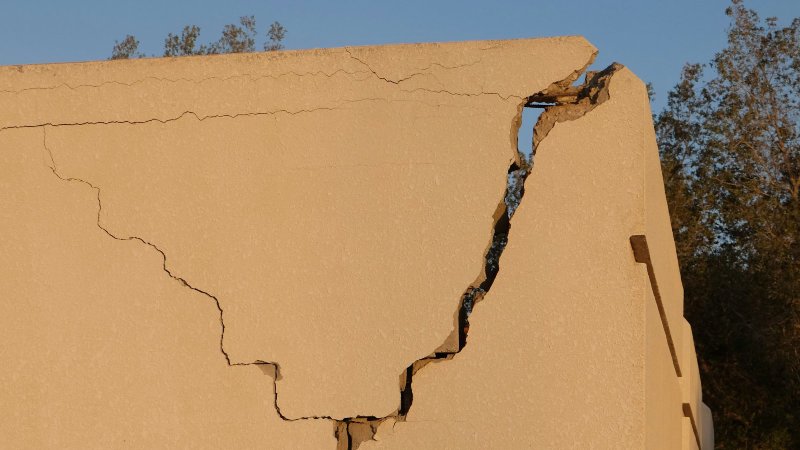
Foundation repair contractors charge $5,000 to $30,000 for the pier underpinning that fixes active settlement, with most homeowners landing around $12,000 in 2026. Pier projects below the median sit at $5,000 to $15,000 for 3 to 6 piers; whole-perimeter underpinning with 10 or more piers runs $18,000 to $35,000 or higher. Carbon fiber and steel reinforcement on a single bowed wall comes in lower at $1,750 to $5,000. Slab tear-out and replacement starts at $20,000 and climbs past $50,000 on most homes.
The trap with searching “foundation repair contractors near me” is that the salesman who shows up is paid to quote piers, full stop. He sells piers on settlement, which is correct. He also sells piers on heave (wrong; piers worsen heave), on cosmetic shrinkage cracks (wrong; those are a $20 tube of caulk), and on drought-shrunk clay (wrong; that’s a soaker hose). The pier count on his bid is a sales number until a structural engineer with no commission stake puts a stamp on it.
What contractors charge by repair method
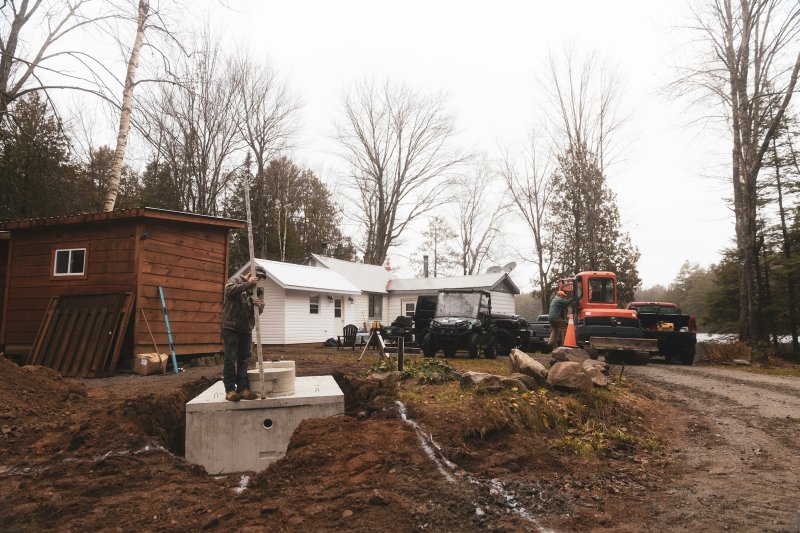
Numbers below come from 2026 contractor pricing reported by HomeGuide, Angi, This Old House, Today’s Homeowner, and several regional foundation specialists, cross-checked against manufacturer pricing for piers and carbon fiber straps. Use them to read the shape of a quote, not to negotiate down by a few hundred dollars on a structural job.
| Method | Per-unit | Typical project total | When it fits |
|---|---|---|---|
| Steel push pier | $1,500–$3,500 each installed | $18,000–$35,000 (8–10 piers) | Active settlement, deep bearing soil |
| Helical pier | $1,500–$4,000 each installed | $15,000–$30,000 (6–14 piers) | Expansive clay, lighter structures, load-rated |
| Concrete pressed pile | $1,000–$3,000 each | $5,000–$15,000 | Stable bearing soil only — no published rating |
| Carbon fiber strap | $350–$1,000 per strap | $1,750–$5,000 (5 straps, 20-ft wall) | Wall bow under 2 inches, post-engineer |
| Wall anchor | $400–$800 each | $1,600–$2,800 (20-ft wall) | Wall bow over 2 inches, yard access |
| Steel beam bracing | $1,000–$3,000 per beam | $4,000–$12,000 | Severe bow, carbon fiber bond questionable |
| Polyurethane foam (polyjacking) | $8–$25 per sq ft | $2,000–$10,000 | Sunken slab, AC pad, garage floor |
| Mudjacking (cement slurry) | $3–$8 per sq ft | $500–$3,000 | Driveway, patio, light slab loads |
| Underpinning, full perimeter | $300–$1,000 per linear foot | $20,000–$30,000+ | Whole-house perimeter settlement |
| Engineer report (PE stamp) | flat fee | $300–$1,000 | Required before any pier work |
The geographic spread is real. Sun Belt labor sits 10 to 20 percent below the Northeast and West Coast on the same line items. Tight crawl spaces with under 18 inches of vertical clearance add 25 to 50 percent on any in-crawl labor. Texas Blackland Prairie and Mississippi Black Belt soils require deeper piers (15 to 30 feet) than Sun Belt sites with shallow bearing rock; the depth surcharge is what blows up a “starting at $1,800 per pier” advertisement.
Symptom to method, before you take any quote
Most homeowners get the order wrong: see a crack, call three contractors, pick the middle quote. Better: identify the symptom, decide if you need an engineer, then call the contractor with the engineer’s report in hand.
| What you see | Probable method | Engineer required? |
|---|---|---|
| Hairline vertical crack | Cosmetic seal | No |
| Vertical crack 1/16"–1/4" | Epoxy or polyurethane injection | No |
| Stair-step crack in block or brick | Repointing or piers | Yes — differential settlement signal |
| Diagonal crack growing month over month | Injection plus possibly piers | Yes |
| Horizontal crack any width | Carbon fiber straps or wall anchors plus injection | Always |
| Wall bow under 2 inches | Carbon fiber straps | Yes — engineer specifies strap count |
| Wall bow over 2 inches | Wall anchors driven from outside | Yes |
| Floor slope >1 inch in 8 feet | Pier underpinning | Always |
| Slab heave (center higher than edges) | Moisture management, NOT piers | Yes — piers worsen heave |
| Sunken slab section (driveway, garage pad) | Polyjacking or mudjacking | No |
| Sagging floor inside a crawl-space home | Sister joists, beam, posts | No |
For the full crack-by-crack pricing breakdown (epoxy versus polyurethane, DIY kit limits, and exterior excavation), the foundation crack repair cost guide covers the injection-and-reinforcement scope in detail. For sagging floors and crawl-space joist work, the foundation and crawl space repair guide covers vapor barriers and encapsulation, plus joist sistering. This page stays focused on hiring the contractor for the structural-method spectrum.
The slab-heave row deserves underlining. A salesman who quotes piers on a heaved slab is either incompetent or selling. Heave is moisture coming up: clay swelling, plumbing leak, sprinkler discharge against the foundation. Lifting the heaved corner with piers leaves the rest of the slab being pushed up by the same moisture, and the home tears itself apart from the middle out. The fix is finding and killing the moisture source, often paired with the slab leak repair guide when the cause is a hot-water-line failure under the slab.
When a structural engineer is mandatory
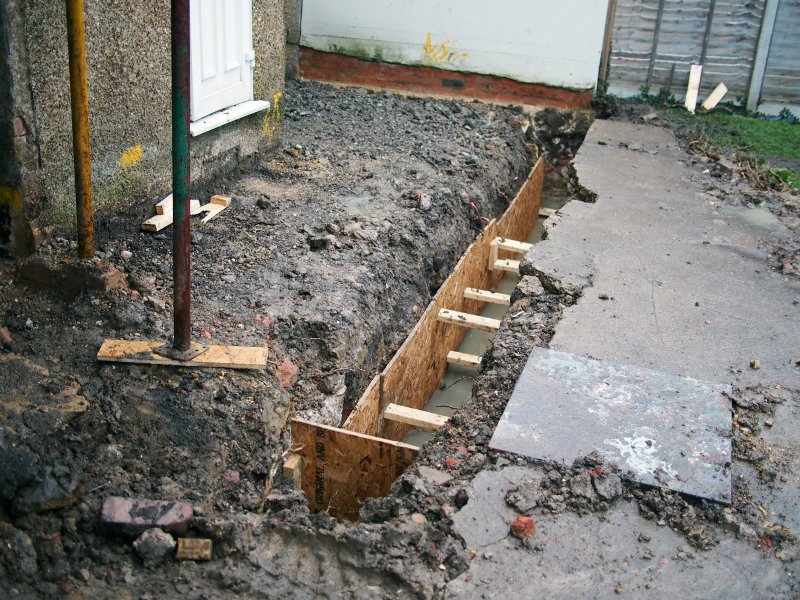
A licensed Professional Engineer (PE) report runs $300 to $1,000 in most metros. The engineer measures floor elevations across the home (a manometer survey or laser-level grid), checks crack widths against published thresholds, looks at soil bearing depth, and produces a stamped letter that specifies pier count, depth, type, and location. That report is the deliverable any qualified installer can quote against.
Five hard triggers, any one of which justifies the engineer fee on its own:
- Any horizontal crack on any foundation wall
- Any crack wider than 1/4 inch or with displacement (one side offset from the other)
- Any pier or underpinning work proposed anywhere on the perimeter
- Floor differential greater than 1.5 inches across a single room
- Insurance claim or lawsuit interaction, or mortgage refinance underwriter request
In Texas, the engineering-stamped repair plan is not optional. Most cities require it before they will issue the building permit, and a registered PE letter at the end states that the work was done in accordance with the plan. TREC-licensed real estate inspectors are explicitly forbidden from diagnosing foundation cause or specifying repair under TBPELS rules; that’s practicing engineering without a license. So the inspector who flagged the issue at sale cannot be the one who tells you what to fix.
The conflict to watch for: in Texas and parts of the Southeast, foundation contractors employ in-house engineers. The fee structure does not matter; the chain of who pays whom does. An engineer paid by the contractor whose piers he specs has a built-in pier-count incentive. Hire your own.
State licensing reality
Foundation repair contractor licensing is more fragmented than homeowners expect. There is no national specialty license, and several large markets have no foundation-specific category at all.
| State | Foundation-specific license? | What to verify |
|---|---|---|
| Texas | None. NFRA pushed for state licensure years ago, didn’t pass | Engineer-stamped repair plan + city building permit + PE final letter |
| California | None. C-8 Concrete or C-12 Earthwork under CSLB | Active C-8 (foundations, structural concrete) plus engineer’s stamp for piers |
| Florida | None. Structural masonry license under DBPR covers foundations | Active structural masonry or general contractor (CGC/CRC) on MyFloridaLicense |
| Most other states | General contractor or specialty residential, no foundation specialty | State license matching foundation/structural concrete scope |
The license search is therefore a screening step, not a sufficient filter. Four secondary checks matter more:
- Insurance certificates direct from the carrier. $1 million general liability minimum, plus current workers’ comp. The contractor’s photocopy is meaningless; ask for the certificate emailed from the agent so the email metadata confirms the policy is active today.
- NFRA membership and CFRS designation. The National Foundation Repair Association (foundationrepair.org) is the industry trade group. CFRS (Certified Foundation Repair Specialist) requires an exam and 8 continuing-education hours per year. The signal is a named CFRS on the bid, not a logo on the truck.
- Manufacturer certification on the specific pier system. Earth Contact Products, Supportworks, Foundation Supportworks, and Atlas Systems each run installer certification programs. Manufacturer certification ties the contractor to the warranty paperwork — without it, the pier maker can refuse to honor a future claim because the install fell outside their training.
- State attorney general and BBB complaint history. Pull the contractor’s name on the state AG consumer-complaint portal and the BBB profile. A pattern of unresolved complaints around warranty denials, change-order disputes, or unfinished work tells you what the marketing brochure won’t.
Reading the warranty fine print
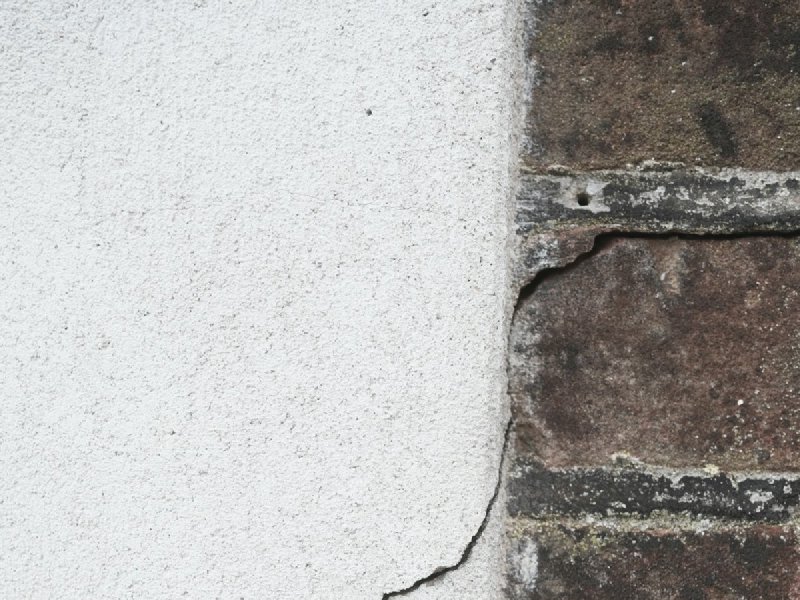
Every reputable contractor offers a “lifetime transferable warranty” on steel and helical piers. The marketing line is real; the fine print is where the value lives or dies.
Six standard exclusions and conditions run through nearly every contract:
- One-time transfer. When the home sells, the warranty transfers to the next owner once, within 30 days of title transfer, with a $50 to $300 admin fee. Miss the 30-day window or skip the fee, warranty voids forever.
- Soil heave excluded. Piers prevent settlement (downward movement). Heave is upward movement from clay swelling or moisture intrusion, and most warranties name heave specifically as outside coverage. The NFRA “Foundation Maintenance” homeowner handout is referenced in many contracts as the maintenance standard.
- Drainage maintenance condition. “Failure to maintain proper drainage and soil moisture” is grounds for denial. Clogged gutters, downspouts dumping at the foundation, no soaker hoses during summer drought: any of these can void a future claim in the contractor’s view, and the burden is usually on the owner to prove maintenance was kept up.
- Earthquake and act-of-nature exclusions. Standard. No warranty covers earthquake or flood. Structural overload from a tornado strike is also excluded.
- Modification clause. Add a deck, pool, room, or significant grading change near a piered section, and that section’s warranty often voids. Tell the contractor before any modification.
- Original-installer-only repair right. A future owner who hires another company to do work near the piered section can void the warranty on the affected piers.
The five-minute due diligence: ask for the warranty document before you sign, read the exclusions section, and look up the contractor on the BBB and state attorney general consumer-complaint database to see how warranty claims have actually been handled. A contractor who refuses to share the warranty pre-signing is a contractor whose warranty doesn’t survive scrutiny.
Insurance: what HO-3 actually pays
Standard HO-3 dwelling coverage is open-perils, meaning anything not explicitly excluded is covered. Foundation movement is explicitly excluded under “earth movement” in nearly every standard form. Settlement and expansive-clay damage get denied as a category. Frost heave and gradual seepage land in the same exclusion bucket.
Three narrow exceptions sometimes pay. A sudden plumbing failure that washed out soil under a footing within hours or days, reported immediately, lands in covered territory in principle, but carriers fight aggressively on whether the cause was sudden or gradual. Document the burst and the inflow path. Dispatch a plumber the same day for the strongest claim posture. A tree falling on a foundation wall is covered as sudden, accidental, external force. So is a vehicle striking the foundation.
Even when the underlying loss is covered, most policies pay for resulting damage to drywall and flooring, plus personal property loss, but not for repairing the concrete itself. The mold sublimit is typically $1,000 to $10,000 unless an endorsement raised it. For the broader water-damage claim sequence, the water damage restoration cost guide covers extraction and drying, plus the carrier’s documentation expectations, and the water damage restoration service guide walks through 24/7 dispatch protocol when a slab leak just hit the floor.
Filing a denied claim has a downside most homeowners miss: the denied claim sits on the CLUE database for 5 to 7 years and follows you to your next renewal and to the next house when you sell. Read your exclusion section first. Call your agent before opening a claim, not after.
Repair versus replace, when tear-out wins
Replacement starts at $20,000 and reaches $100,000 on most homes, with $50,000 the rough median figure across This Old House and NerdWallet reporting, with Today’s Homeowner clustered in the same range. Repair almost always wins on cost. Replace becomes the right answer when the home has stacked failure modes:
Three combinations push the math toward replacement. Multiple failure modes — settled and bowed and slab-cracked simultaneously — make piecemeal repair more expensive than tear-out. Wall bow over 6 inches is past structural recoverability per most engineers; the wall has to come down. A crawl-space home with 30 percent or more of the joists rotted in addition to settlement has lost too much of the framing for sister-joist repair to carry the loads.
Insurance is a separate trigger. If the carrier has already totaled the structure on a separate covered loss (fire, severe storm, vehicle strike), the foundation work folds into the rebuild and the repair-versus-replace math becomes moot.
Scams and high-pressure tactics
The pattern across BBB and state attorney general complaint databases is consistent. Pier-pushing scams cluster in three regions and three seasons: Texas and Oklahoma during summer drought (when clay shrinks and homeowners get spooked), Florida after named storms, and the Midwest during spring thaw.
Five tells that should end the conversation:
- “Sign today” pricing. A $5,000 discount that disappears at the end of the visit is a sales tactic, not a real number. Any quote that requires same-day signature is a scam.
- Free inspection with a quota. When the inspector is paid per appointment closed, every house has a foundation crisis. Free is fine; pressure-to-close at the end of free is the problem.
- Pier count inflation. Salesman quotes 14 piers; an independent engineer specs 6. The engineer’s pier count is structural math, not a sales judgment, and the spread between sales bid and engineer report is the scam in numerical form.
- Door-to-door post-storm. Spring repair-season scammers and post-storm fraud rings work neighborhoods door-to-door. Reputable contractors don’t cold-call.
- Cash up front beyond a 25 percent deposit. A 10 to 25 percent mobilization deposit is industry standard. Anything over that pre-mobilization is a fraud signal, and full pre-pay is fraud bait.
The drought tell is specific: a salesman who says “your slab will fail this rainy season” in mid-summer in Texas is selling. Drought shrinks clay, which pulls away from the foundation; it doesn’t crack slabs from below. The cracks that show up in summer drought are tracking soil pulling away, and the fix is moisture maintenance — soaker hoses 18 inches off the perimeter, gutters discharging 5 to 10 feet from the house — not piers. The USGS swelling clays map (the 1989 Olive et al. publication) is the reference for whether your zip code sits on Vertisol; if it does, foundations there are never static and warranty conditions assume active moisture management.
What to ask any contractor before signing
Five filters cut out most of the bad bids:
- Itemized quote. Pier count and per-pier price as one line. Depth assumption with overage clause as another. Surface prep, anchor hardware, and engineer-coordination fees broken out separately. Lump-sum is where the markup hides.
- Engineer’s report attached. Hand the report over and watch the reaction. A reputable specialist reads it, asks a clarifying question or two, then prices to the spec. A salesman pushes back on the engineer’s count.
- Manufacturer load rating on every pier proposed, with the spec sheet attached and a depth-clause that says what happens if bearing soil is deeper than estimated. The depth clause is where surprise change orders live.
- Warranty document before signature. Read the exclusions and transfer terms cold. If the contractor won’t share the warranty pre-signing, the warranty doesn’t survive scrutiny.
- Permits and engineer letter delivered as deliverables. In Texas in particular, the city-stamped permit and the PE final letter at job close are the documents that survive the next sale. No paperwork, no protection at resale.
For homes where the foundation work overlaps with fire or water restoration, the fire damage restoration guide covers the structural-engineer interaction with insurance carriers when both events stack on one claim. Pricing here was cross-checked against the HomeGuide 2026 foundation repair cost report and the Acculevel carbon fiber strap pricing breakdown .