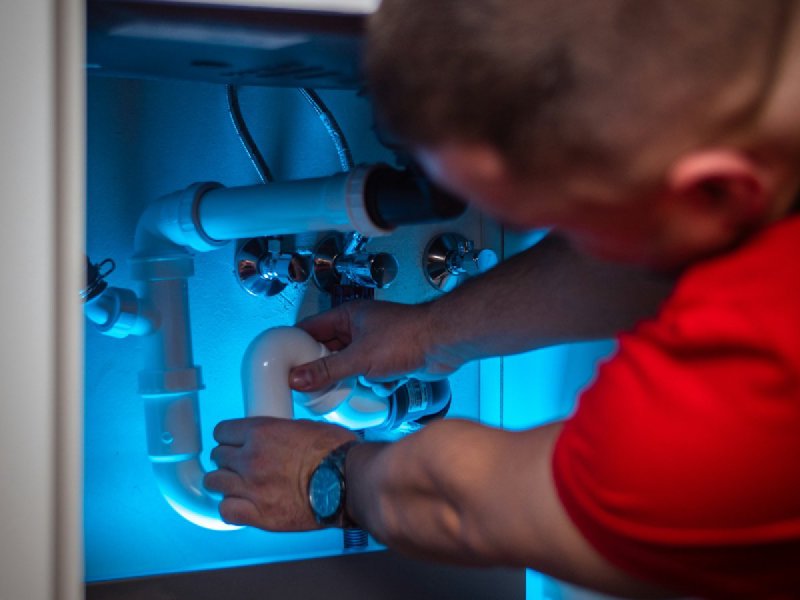
A slab leak in 2026 costs $630 to $4,400 to repair, with most homeowners paying around $2,200. Detection alone runs $150 to $600. The repair itself depends on which method your plumber recommends: spot repair, rerouting the line, or repiping the whole house. Whole-house repipes top out at $15,000 for big homes with corroded copper.
The pricing gap is enormous because “slab leak” describes a symptom, not a job. One pinhole in an accessible spot costs as much as a kitchen disposal. Three failing supply lines under a 2,400 sq ft Texas slab is a multi-day demolition.
What slab leak repair actually costs
The numbers below come from 2026 contractor pricing reported by Angi, This Old House, Fixr, HomeGuide, and several regional plumbing companies. Use them as a sanity check on quotes, not as a final number. Your estimate depends heavily on whether the plumber can reach the pipe without tunneling or breaking through finished flooring.
| Job | Typical Price | Notes |
|---|---|---|
| Leak detection (diagnostic visit) | $150–$600 | Acoustic + thermal; sometimes credited toward the repair |
| Spot repair (one pinhole) | $500–$4,000 | Cheapest if pipe is accessible |
| Tunneling under slab | $900–$2,000 | Adds to repair cost; avoids breaking floor |
| Pipe rerouting (one line) | $600–$4,500 | Bypass through walls or attic |
| Cured-in-place lining | $80–$250 per linear foot | Epoxy liner inside existing pipe |
| Whole-house repipe | $4,000–$15,000 | Replace all supply lines, usually with PEX |
| Full slab replacement | $5,400–$10,800 | Last resort, structural rebuild |
| Foundation crack patching after repair | $300–$6,750 | Separate scope from plumbing |
Plumbers charge $75 to $130 per hour for general work and significantly more for emergency or after-hours calls. Detection specialists who carry tracer-gas equipment or geophone arrays charge premium rates because the gear costs more than a pickup truck.
How a real diagnosis goes
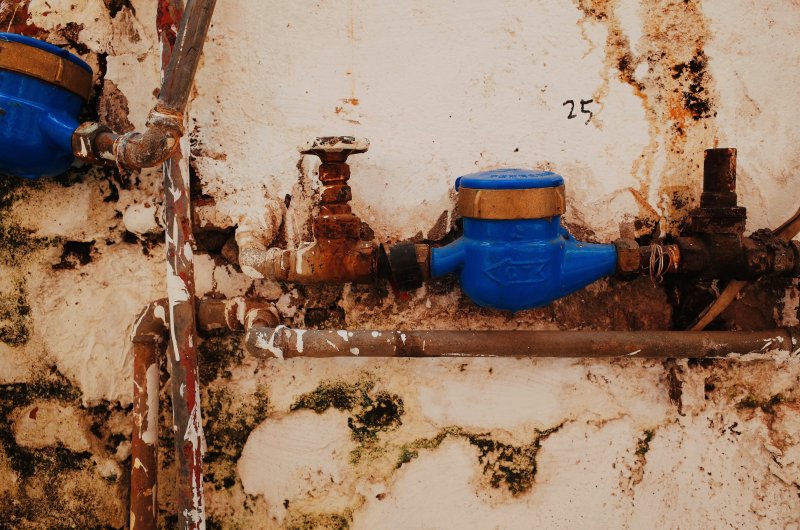
Anyone who breaks your slab without first confirming the leak with at least two methods is guessing with your money. The standard diagnostic workflow is thermal imaging first, acoustic second, electronic confirmation third.
Thermal cameras spot temperature anomalies on the floor surface, which makes them powerful for hot water leaks: the line warms a roughly circular halo of concrete around the failure that shows up clearly in infrared.
Acoustic detection uses a sensitive microphone (often a geophone pressed against the floor) to hear the high-frequency hiss of pressurized water escaping a pipe. It’s the most accurate method when the leak is active and the house is quiet. Background noise will defeat it: a running fridge compressor, an HVAC blower, even a neighbor’s mower next door.
Electronic line tracing maps the pipe routes through the slab so the plumber knows exactly where to cut. This is also the step that prevents accidentally chopping through a post-tension cable in newer slabs. That mistake turns a $2,000 plumbing repair into a five-figure structural emergency once you factor in cable retensioning plus the engineer’s stamp.
Tracer gas (helium, or hydrogen mixed with nitrogen) is the fallback for tiny leaks that defeat acoustic equipment. The plumber pressurizes the line with gas after draining the water, then walks the surface with a sniffer that detects the escaping gas at the leak point. Helium works because its small atomic size lets it slip through cracks too tight for water flow. Tracer-gas service adds a few hundred dollars on top of standard detection, plus an extra hour or two of labor to depressurize and recharge the system.
Why detection is worth paying for separately
Some plumbers will waive detection fees if you commit to the repair. That’s fine when the diagnosis is obvious. It is a red flag when a contractor proposes breaking the slab in a specific spot without showing you the thermal image or playing back the acoustic signature. Ask to see the data. A good leak detector will walk you through the readings.
Three repair methods, and when each one is right
Spot repair
Spot repair means breaking through the slab (or tunneling under it from outside the foundation) to expose the failed pipe section, cutting out the bad piece, and splicing in new copper or PEX. This is the cheapest option when:
- The leak is isolated, not a system-wide pattern
- Your pipes are less than 20 years old
- The damaged section is reachable without tearing up a kitchen island
- Your slab is conventional, not post-tension
Cost: $500 to $4,000 depending on access. Tunneling adds $900 to $2,000 if breaking interior flooring isn’t acceptable.
The trap with spot repair: if your copper is pinholing because of water chemistry or galvanic corrosion against rebar, fixing one leak buys you 12 to 36 months before the next pipe blows. Plumbers see this constantly in 1970s and 1980s homes where the original Type M copper has thinned to foil. The first repair feels cheap. By the third one, you’ve spent more than a full repipe would have cost, and you still own the same failing pipes.
Rerouting
Rerouting abandons the slab pipe and runs a new line (usually PEX-A) through the wall cavity or up into the attic. The old pipe stays in the slab as an inert hunk of metal. Reroute is the right call when:
- A single line has failed but the rest of the system is still good
- The slab is post-tension or otherwise dangerous to cut into
- The leak sits under a kitchen island or a tile floor where demolition would be brutal
- You want to avoid future slab intrusion entirely
Cost runs $600 to $4,500 for a single line. Most of the savings come from skipping the slab demolition and floor restoration. The trade-off: a few small drywall cutouts to patch, plus a stretch of new pipe living in your wall cavity instead of buried in concrete. In freezing climates, that exposed pipe needs proper insulation in any unconditioned attic run.
Whole-house repipe
A repipe replaces every supply line in the house, typically with PEX-A run overhead through the attic and dropped down inside walls. It’s $4,000 to $15,000 depending on home size and number of bathrooms. Most repipes finish in one to two days of plumbing work plus another two to five days of drywall patching and repaint.
Repipe is correct when:
- You’ve already had two or more pinhole leaks in the same copper system
- Your home is on original copper from before 1995
- A spot quote comes back at $5,000 or more (compare against a repipe estimate before agreeing)
- Your water utility’s pH or chloride numbers are aggressive enough to keep eating any new copper you install
The math gets ugly fast on serial spot repairs. One in-slab quote can hit $4,000. Three of them over five years is $12,000. That same $12,000 covers a permanent repipe with a 50-year service life on the new PEX.
What’s causing the leak in the first place
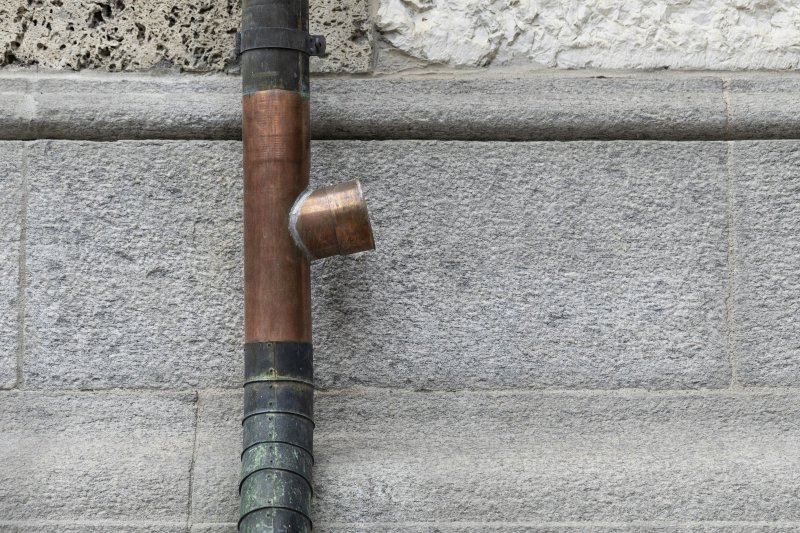
Knowing why pipes fail under slabs changes the repair decision. Five common causes:
- Water chemistry. Municipal water with pH below 7.0 or aggressive chlorine eats copper from the inside. Several districts in California and Maryland are notorious for it, along with pockets across the Sun Belt. Ask your water utility for the latest Consumer Confidence Report. The pH and chloride levels are listed near the top.
- Galvanic corrosion. When copper pipe contacts rebar in the slab, electrolysis between the two metals dissolves the copper at the contact point. Common on installations where the plumber didn’t sleeve the pipe with foam before the pour.
- Soil shift. Expansive clay soils across Texas and Oklahoma (and pockets of central California) swell after rain and contract during dry months. That movement abrades pipes against the underside of the slab until they wear through from the outside.
- High pressure or water hammer. Anything over 80 psi static pressure stresses every joint and elbow under the slab. A pressure-reducing valve installed at the main runs a few hundred dollars and may save the next pipe.
- Original install quality. Type M copper (thin wall) was popular in 1970s–1990s tract construction because it was cheap. It’s the first to fail. Type L copper holds up much longer.
If your house is on Type M copper, was built between 1975 and 1995, and just had its first pinhole, the next one is coming. Plan for the repipe now while you can shop quotes, not in the middle of a Saturday-night flood.
Insurance: what’s covered and what isn’t

Most standard homeowners policies follow the same pattern, with regional variation:
- Covered: sudden water damage to flooring, drywall, baseboards, cabinets, and personal property, plus the cost of cutting open walls and slabs to access the leak (called “tear-out and access”).
- Not covered: the cost of repairing or replacing the failed pipe.
- Often disputed: mold remediation, plus any damage from a leak the carrier argues you “should have known about” for weeks or months.
- Always your problem: the deductible, which on water damage claims is often a four-figure hit before the policy pays anything.
Read your policy before calling. Specifically look for the words “sudden and accidental,” “wear and tear,” and “long-term seepage.” If the carrier sends an adjuster, get the plumber’s written diagnosis first and have your invoice itemize detection, demolition, pipe repair, and restoration as separate line items. The carrier will pay some lines and not others.
When to call right now versus this week
Call same-day if you see:
- Pooling water around the foundation perimeter
- Floor warping or visible buckling
- A new crack opening across a slab seam
- Water bill more than double the previous month
- Hot water heater running constantly with no usage
Schedule for this week if you have a slow water bill creep, a faint warm spot, or a musty smell that hasn’t escalated. The leak isn’t going to fix itself, but the structural risk window is weeks to months on small leaks, not hours.
The one thing not to do: ignore it. Slab leaks erode the soil under the foundation, and once the soil washes out, you’re looking at foundation underpinning that runs into five figures for serious settlement. Compared to underpinning, even a $15,000 repipe is the bargain.
Picking the right plumber
Four filters to apply before signing anything:
- Specific detection equipment. Ask which thermal camera and acoustic geophone they use, and whether they own a tracer-gas rig or sub it out. A vague “all the standard leak detection tools” answer doubles your detection bill.
- Itemized quote. Detection, repair method, slab break or tunnel, pipe materials, foundation patch, and floor restoration should each be a separate line. A single lump-sum quote hides where the markup lives.
- License + bond + insurance, verified. Every state has a licensing board. Texas: Texas State Board of Plumbing Examiners. California: CSLB C-36 license. Look up the license number yourself; don’t accept a screenshot.
- Two methods used in the diagnosis. A plumber confident enough to commit to a slab cut should be confident enough to show you the readings from two different detection tools. One method is a guess.
For a deeper background on how foundation repairs interact with plumbing failures, see the foundation repair cost guide when published. For wider water damage scope after a slab leak, the water damage restoration overview (when published) covers cleanup pricing.
Pricing here was cross-checked against Angi’s 2026 slab leak repair cost report and the This Old House 2026 cost guide .