
Water damage restoration service costs $1,400 to $6,400 for a typical residential job in 2026, with a national average around $3,860 per Angi’s 2026 data. A small Class 1 leak in a single room runs $150 to $500. A whole-house Class 4 disaster, where prolonged flooding has saturated hardwood and concrete, runs $15,000 to $100,000. Where your bill lands depends on the IICRC S500 category of water, on how much of the structure got wet, on how fast a crew showed up, and on whether your insurer pays the bill or you do.
Most cost guides quote one number and call it a day. The trade reality is that “water damage restoration” is two contracts. Mitigation covers extraction plus drying plus sanitizing — that’s what the IICRC-certified crew does in the first five days. Repair rebuilds drywall, flooring, paint, and cabinetry as a separate scope billed after mitigation closes. Insurance treats them differently. Adjusters price them differently. You should sign them differently.
Water damage restoration service cost in 2026
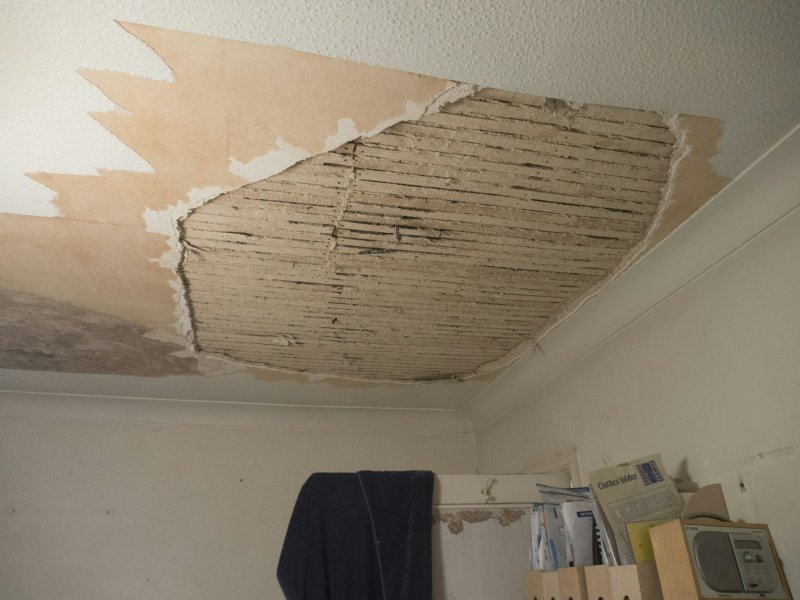
The numbers below come from 2026 contractor pricing reported by Angi, HomeGuide, plus Today’s Homeowner, cross-checked against IICRC S500 Fifth Edition (2021) scoping logic and Xactimate line-item structure. Use them to recognize whether a bid is in the right neighborhood, not to negotiate a contractor down by a few hundred dollars on what is fundamentally an insurance-priced job.
| Water damage class | What it looks like | Typical cost |
|---|---|---|
| Class 1 (minimal) | Small leak in one area; minimal absorption; one-shop fix | $150 – $500 |
| Class 2 (significant) | Up to 12" standing water in one room; walls absorbed less than 24" up | $1,500 – $5,000 |
| Class 3 (extensive) | Burst pipe in ceiling soaks one or more rooms top to bottom | $5,000 – $15,000 |
| Class 4 (disaster / specialty drying) | Hardwood, brick, stone, concrete saturated to core; long-standing flooding | $15,000 – $100,000 |
The class system is HomeGuide’s framing — it tracks the IICRC S500 classes the restoration tech is actually using to scope the dryout. Most homeowner losses fall into Class 2 or Class 3. A supply line lets go behind a kitchen sink. A hot-water heater fails in the basement. An upstairs toilet overflows and the ceiling below now has a brown ring and a sag.
A bathroom job (120 sq ft) clean and repair tops out around $3,000 per Angi. A finished basement with one inch of clean water from a burst pipe runs $500 to $1,500. The same basement after 24 inches of sewage backup runs $2,800 and up, and that’s just mitigation, before any drywall comes out.
Cost per square foot for mitigation
The per-square-foot rate is the core line item. It covers extraction, air movers, dehumidifiers, antimicrobial treatment, plus the documentation the adjuster needs. It does not cover any rebuild.
| Category | Source water | Per sq ft (Angi avg) | Per sq ft (HomeGuide range) |
|---|---|---|---|
| Cat 1 (clean) | Burst supply line, tub overflow, rainwater intrusion | $3.50 | $4 – $6 |
| Cat 2 (gray) | Dishwasher or washer overflow, toilet bowl overflow w/o feces | $5.25 | $6 – $9 |
| Cat 3 (black) | Sewage backup, river or storm flooding, ground water | $7.50 | $9 – $12 |
Two restoration bids on identical 800-square-foot Class 3 living rooms can come in at $4,800 (Cat 1 Angi-rate math) or $9,600 (Cat 3 HomeGuide-rate math) for what looks like the same job. The difference is the category line on the work authorization — and the category is determined by source, not by how the water looks. Toilet-bowl overflow without feces is Cat 2. The same overflow with feces is Cat 3. A burst supply line that sat for 72 hours degraded from Cat 1 to Cat 2 the moment bacteria multiplied. The category drives every downstream cost on the bid.
Repair-and-rebuild costs (separate from mitigation)
After the structure dries to a moisture-content reading the tech can defend (usually under 16% on framing), repair starts. This is where most of the visible dollars go and where most of the contractor-versus-homeowner friction shows up.
| Item | Typical cost |
|---|---|
| Drywall water repair | $300 – $850 (avg $550) |
| Drywall replacement | $1.50 – $3.50 / sq ft |
| Ceiling water repair | $450 – $1,600 |
| Carpet replacement | $2 – $8 / sq ft |
| Hardwood floor replacement | $7 – $25 / sq ft |
| Plaster wall repair | $2 – $10 / sq ft |
| Burst pipe repair (incl. resulting damage) | $1,000 – $4,000 |
| Sump pump installation | $1,200 avg ($600 – $2,500 for full project) |
| Mold remediation, post-restoration | $1,500 – $15,000+ ($15 – $30 / sq ft) |
Mold remediation is the number you don’t want to see and the one most insurance policies cap. A post-restoration mold finding on a Class 3 wall scope drops the whole project into mold-sublimit territory, capped at $1,000 to $10,000 on most HO-3 policies regardless of the underlying covered loss. Our mold damage cost guide breaks down the EPA 10-square-foot DIY threshold and the insurance reality if mold appears after the dryout.
What you’re paying for in a typical mitigation scope
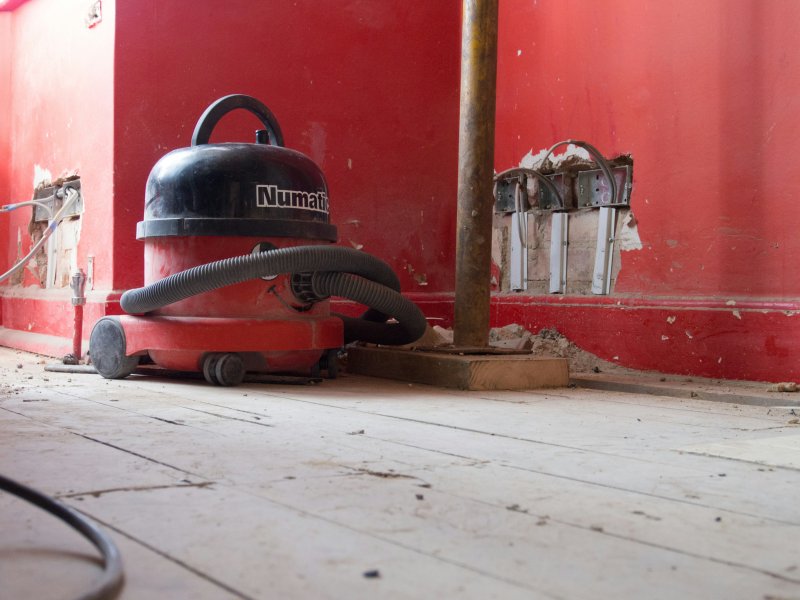
A mid-size Class 2 loss, say 400 square feet of finished basement after a water-heater failure, will look something like this on the work authorization:
- Initial assessment with moisture meter readings and category determination per IICRC S500
- Extraction of standing water with truck-mount or portable pump
- Removal of unsalvageable wet materials: carpet pad, baseboards, soaked drywall (cut 12" above the highest moisture-content reading on the wall)
- Setup of air movers and a refrigerant or LGR dehumidifier sized to the room volume
- Daily moisture-content readings logged to the file the insurer will receive
- Antimicrobial application on framing and adjacent surfaces
- Final clearance reading at the industry dry benchmark (under 16% on wood framing, room-equilibrium humidity)
Labor runs roughly half the total bill on a typical mitigation. Equipment such as air movers, dehumidifiers, HEPA filtration, and moisture meters is amortized across hundreds of jobs, so per-job material cost is comparatively low. What the contractor is billing for is the labor of setup, daily monitoring, drying-strategy adjustments, plus documentation written in a format the adjuster can drop straight into Xactimate.
The standard arrival window for major brands is one to two hours from the call. SERVPRO claims one hour and covers 97% of U.S. ZIP codes within two. PuroClean targets under two. AdvantaClean lists eight. That window matters because Category 1 clean water reverts to Category 2 gray water in roughly 24 hours at room temperature, while the EPA’s mold-growth onset window is 24 to 48 hours. Every hour of standing water past hour zero pushes the per-square-foot rate up and the salvageable-material count down.
Hidden costs the bid usually doesn’t show
Four line items get buried in mitigation pricing. Ask about each before signing:
- Emergency / after-hours surcharge: $120–$600/hr base rate vs $70–$200/hr daytime, plus a service-call fee of $150–$500 separate from the work. If the loss happened at 2 a.m. Saturday, the first 8 hours of crew time may be billed at the higher tier. Some companies waive the surcharge once insurance is engaged; others don’t.
- Contents manipulation and storage: moving and packing, off-site storage, plus inventory documentation of furniture and personal items. Often billed as a separate Xactimate line item under contents-manipulation codes rather than folded into the mitigation per-square-foot rate.
- Plumber for source repair: the restoration company doesn’t fix the burst pipe. You’ll pay a plumber separately at $75–$130/hr typical, $335 for an ad-hoc fix per Angi, or $1,000–$4,000 if the pipe failure caused the damage and the repair has to be cut in. See our slab leak repair cost guide if the source turns out to be under the foundation.
- Equipment day-rate beyond Day 5: dehumidifiers and air movers run on a daily rental clock. If the structure isn’t dry by the standard 3- to 5-day cycle, expect a per-machine, per-day extension charge plus a fresh moisture-mapping fee tacked on. Ask for the daily equipment rate up front so the extension isn’t a surprise.
How insurance actually prices the job
Behind nearly every insurance-paid water damage bid in the U.S. sits one piece of software: Xactimate. Insurance adjusters and restoration contractors both estimate in it, and so do most public adjusters. The database publishes ZIP-code-specific pricing for thousands of line items, with WTR codes for water-mitigation tasks and DRY codes for structural drying. When your contractor writes a bid by hand and your adjuster prices it in Xactimate, the gap between those two numbers is the negotiation — and unless you know the rates exist, you don’t know what to push back on.
Xactimate prices Cat 3 line items at a meaningful premium over Cat 1. Extracting water from carpeted floor runs about $0.45/sq ft for Cat 1 and $1.14/sq ft for Cat 3, a 153% jump on the same physical action. Multiply that across an 800 sq ft loss and the category determination is worth thousands. This is why contractors who work insurance jobs do their own Xactimate estimates first: the bid lines up with how the adjuster will price it, and the conversation focuses on whether the scope is right rather than whether the rates are.
A homeowner doesn’t usually see Xactimate directly, but you can ask: “Is your estimate in Xactimate format?” and “Will you bill the mitigation directly to the insurer?” Both answers being yes is what you want.
What homeowners insurance covers
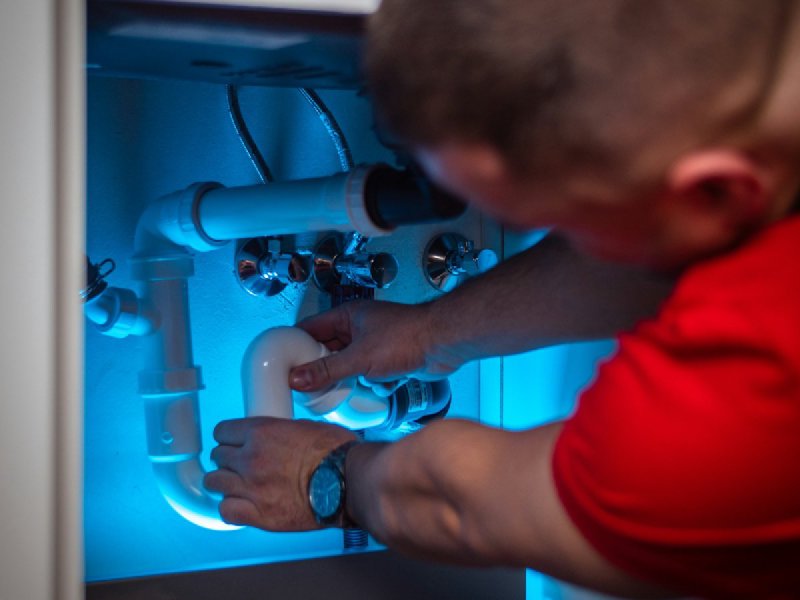
Standard HO-3 policies cover water damage from sudden, accidental events. The Texas Department of Insurance puts it plainly: “Most homeowner and renters policies cover sudden and accidental water damage. Examples would include a burst pipe, toilet overflow, or broken washer hose.” What’s covered:
- Burst supply lines, broken washing machine hoses, failed water heaters, broken toilet supply lines
- Storm-driven rainwater that enters through wind-damaged roof or windows
- Resulting mold up to the policy’s mold sublimit (typically $1,000–$10,000 on most HO-3 policies)
- Mitigation paid usually direct to the contractor; repair reimbursed to you on receipt
What’s not covered, per the same TDI summary: “Most home policies don’t cover water damage from gradual leaks or seepage, and that includes damage from mold.” Specifically excluded from standard policies:
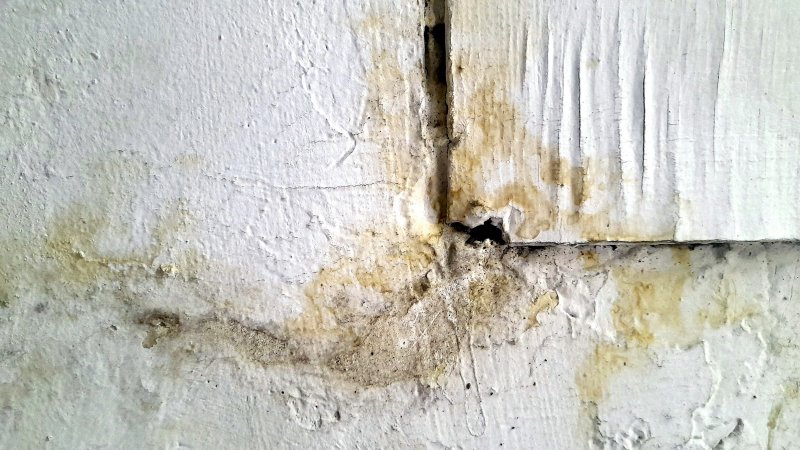
- Gradual leaks: the dripping under-sink supply line that left a stain six months ago. Insurer classifies it as a maintenance failure.
- Sewer or sump-pump backup: excluded unless you bought the water/sewer backup endorsement at $50–$250 a year extra for $5,000–$25,000 of coverage. Worth pricing if your house has a basement with finished space or an aging municipal sewer line.
- Flood: any ground-water event. “Mold from a flood would not be covered because home policies don’t cover floods. You would need a separate flood policy.” Federal NFIP policy is required for federally-backed mortgages in Special Flood Hazard Areas; private flood policies exist in some states.
- Earth movement causing pipe failure: earthquake or sinkhole damage that ruptures a supply line is excluded under standard HO-3, even though the resulting water release would otherwise look like a covered sudden event.
A burst pipe in a second-story kitchen wall that floods the basement counts as a covered loss, including the mold that appears two weeks later. A slab leak that ran for six months before the warm-spot-on-the-floor finally tipped you off is almost never covered — insurers classify long-running leaks as maintenance. Document the timeline aggressively when the loss is sudden. Take photos within hours of discovery. Save the plumber’s invoice for the source repair, the dated drying logs from the restoration company, and a final mitigation report that ties the damage back to the covered event.
Hiring criteria you can verify in 90 seconds
The restoration industry has a much lower barrier to entry than most homeowners assume. Anyone with a truck-mount extractor and a few air movers can hang out a “water damage restoration” sign. The IICRC certification is what separates the operators who actually know the S500 standard from the rest, and verifying it takes 90 seconds.
Four checks every contractor should pass
- IICRC WRT certification on the technician, not just the company. The Water Damage Restoration Technician credential is foundational. Advanced techs add ASD (Applied Structural Drying) for complex structures, plus AMRT (Applied Microbial Remediation) if mold work is in scope. Ask for the technician’s IICRC number and search it on iicrc.org’s public registry . Certification expires every four years and requires 14 CECs to renew.
- State plumbing or general contractor license, with a license number you can verify. State licensing rules vary; California requires a CSLB license for most restoration work, Texas has separate plumbing and general contractor categories, Florida licenses water damage restoration directly under the DBPR. The license number is on the bid. If it’s not, that’s a problem.
- General liability and pollution-liability insurance, with a current certificate. Cat 3 sewage work without pollution-liability coverage is a nightmare if anything goes wrong. Ask for a Certificate of Insurance naming you as additional insured on the project.
- Direct-bill capability with your insurer. “Will you direct-bill the mitigation portion?” Yes is the answer you want. It means the contractor knows how Xactimate works and is willing to do the paperwork most homeowners shouldn’t have to navigate during a flood.
What to walk away from
Two patterns show up consistently on bad jobs. Refuse both:
- A bid that bundles mitigation and repair into one number with no scope split. That’s a contractor planning to ride one line item, usually mitigation, into the rebuild without a separate repair authorization. The insurer will balk and you’ll be left explaining the bundle.
- “Your insurance will pay it all, don’t worry about it.” No restoration company can promise insurance coverage on a loss they haven’t seen the policy for. That phrase usually precedes a balance-due bill once the adjuster denies a portion of the scope.
Mitigation timeline for the first week
| Phase | Duration | What’s happening |
|---|---|---|
| Emergency response and assessment | 1–4 hours from call | Crew arrives, scopes the loss, photos and moisture meter readings, work authorization signed |
| Extraction and demo | Day 1 (Class 1–2) / Days 1–3 (Class 3–4) | Standing water removed; unsalvageable materials cut out and bagged |
| Active drying | Days 1–5 typical | Air movers and dehumidifiers run continuously; daily moisture readings logged |
| Final clearance and documentation | Day 5–7 | Equipment removed; final mitigation report sent to the insurer |
You can usually re-occupy the affected space once the equipment leaves and the structure passes the final dry check, although heavy demo or sewage scopes may keep a room sealed off until repairs are scheduled. Repair has its own timeline. Drywall and trim usually take a week. Full-room flooring runs two weeks. Anything involving cabinetry or built-ins runs longer.
Class 2 mid-size losses run four to seven days from call to dry. A multi-room Class 3 loss runs one to two weeks. Disaster-scale Class 4 scopes, where hardwood and concrete are saturated to the core, can run several weeks of specialty drying alone before any rebuild starts.
Bottom line on hiring a restoration service
The bid you sign in the first hour after a water loss is the most expensive contract most homeowners will negotiate under duress. The two things that make it survivable are knowing the price ranges (so you can recognize a bid that’s wildly off-market) and knowing the questions that flush out the operators from the certified pros: IICRC WRT number, state license number, direct-bill on Xactimate, scope split between mitigation and repair. Get those four answers in writing before any equipment runs.
If your loss involves sewage or ground water, or anything you’re sure your homeowners policy excludes, the next decision is whether you have the endorsements that change the math: a sewer backup rider plus an NFIP flood policy. That’s a year-ahead decision, not a phone call you make at 2 a.m. with two inches of water in the basement. Price it now, before you need it.