A roof you can read the bid for.
Roofing quotes vary three-fold for the same job because most contractors don't itemize sheathing, flashing, or underlayment. A complete tear-off without sheathing replacement falls apart twice as fast. A metal roof costs twice asphalt upfront but lasts fifty years. We break down the variables homeowners need to compare bids on equal terms.
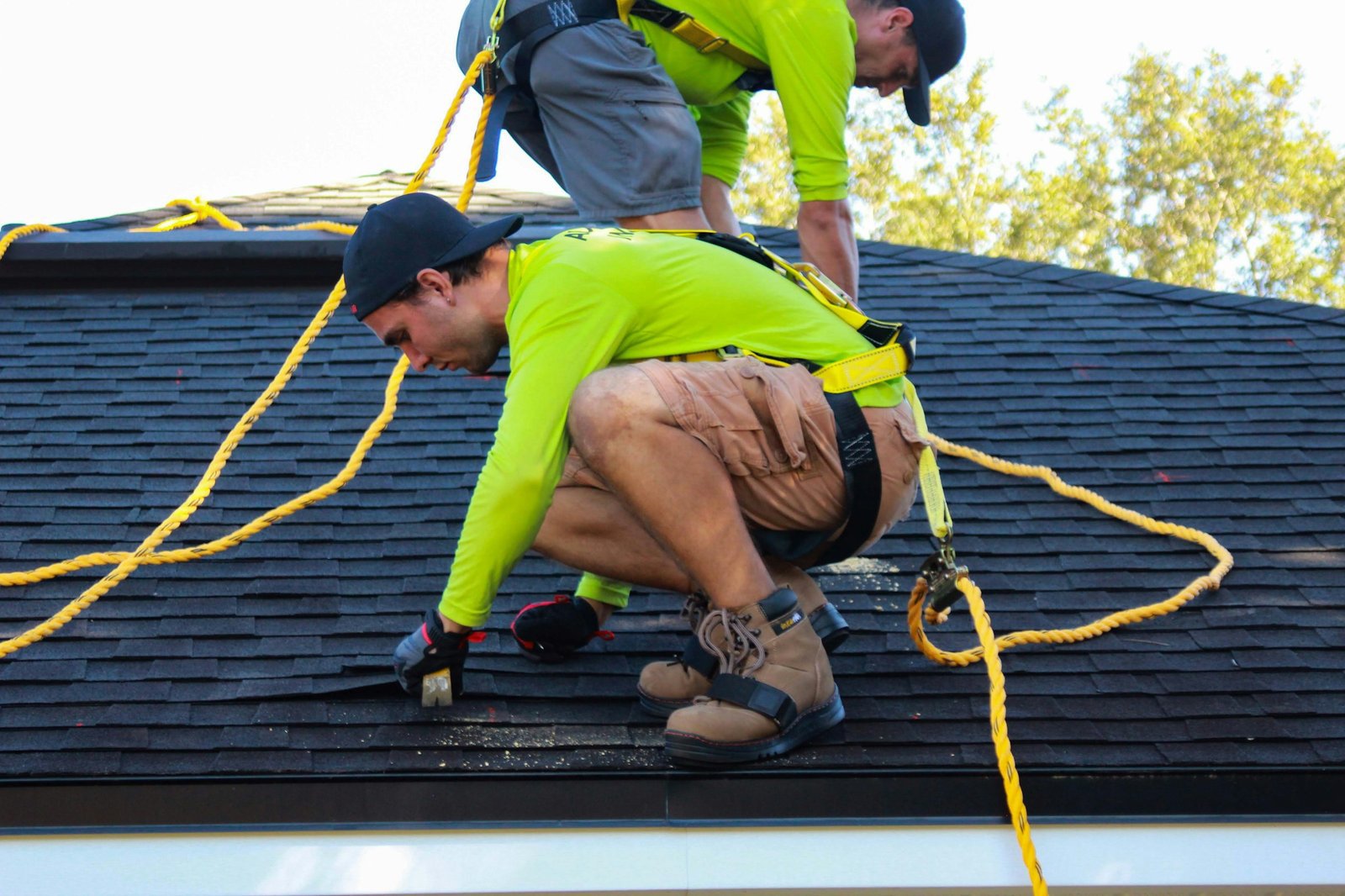
What a Roofing Project Can Include
Roof Replacement and Repair
Asphalt shingle, metal panel, standing seam, tile, and slate roof systems. Replacement scope spans tear-off, sheathing inspection, ice-and-water shield, underlayment, drip edge, flashing, ventilation, and finish material. Repairs target a leak source, not a square count.
Gutters and Downspouts
Seamless aluminum, copper, and steel gutters, downspouts, splash blocks, gutter guards, and cleaning service. A gutter that overshoots in heavy rain isn't undersized — it's pitched wrong or sized for a smaller roof drainage area.
Chimney, Skylight, and Penetrations
Chimney inspection, cap and crown repair, masonry tuckpointing, skylight install and replacement, and the flashing details that cause most leaks. Roof penetrations are where deferred maintenance becomes interior water damage.
Soffit, Fascia, and Adjacent Exterior
Soffit and fascia repair after rotted wood, vent retrofits, drip edge correction, plus driveway and siding work commonly bundled with a re-roof. Exterior trim work uncovered during tear-off is a known change-order zone — get the policy before signing.
Common Questions from Homeowners
Asphalt or metal for a 20-year horizon?
Architectural asphalt runs $4–$8 per square foot installed and lasts 20–30 years. Standing seam metal runs $10–$18 and lasts 40–60. If you plan to sell within 10 years, asphalt usually wins on cost-recovery. Past 15 years of ownership, metal's lifespan and energy reflectance start paying back.
When is a repair enough versus replacement?
If less than 30 percent of the roof shows damage, the deck is sound, and shingles aren't curling system-wide, repair makes sense. Once you're past that, repairs become whack-a-mole. A roof inspection should call out remaining service life so you can plan, not react.
What does a roofing bid actually need to itemize?
Tear-off depth (single layer or multiple), sheathing replacement allowance per sheet, underlayment type, ice-and-water shield coverage, drip edge, flashing scope, ridge and soffit ventilation, ridge cap, and disposal. A flat per-square price hides where the change orders live.
Roofing Articles
In-depth guides on specific roofing topics.
Rain gutter cleaning service runs $145–$250 single-story, $180–$360 two-story in 2026. What to ask, when to bundle micromesh guards, what bad cleaners hide.
Seamless gutter installation runs $6–$12/ft for aluminum, $25–$50/ft for copper in 2026. What local quotes should include and how to vet installers.
Metal roof costs $7–$17/sq ft installed in 2026. Honest prices by panel type, the gauge and coating choices that quietly drive 50-year lifespan.
New roof cost in 2026 runs $8,000–$16,000 for asphalt on a 2,000 sq ft home. Per-square pricing by material and the line items underbidders quietly skip.
Roofing contractor labor runs $150–$300 per square installed. Vetting, insurance-claim navigation, and the contract clauses that decide warranty access.
Shingle repair near me runs $150–$1,500 in 2026 with a $150–$300 service-call minimum. When to repair vs replace, and how to handle insurance claims.
Roof inspection costs $175–$600 in 2026 depending on method. What each type covers, when you actually need one, and the fine print insurers exploit.
Roofing FAQ
A standard 2,000 sq ft asphalt re-roof takes 1–3 days in good weather. Metal and tile run 4–7 days. Multi-day jobs require tarp protocols if rain is forecast — confirm in writing how the contractor handles weather delays.
If damage is from a covered peril (wind, hail, fallen tree), often yes — minus deductible. Wear-and-tear and old-age replacement are not covered. Insurance adjusters often underpay scope; a roofer who knows how to write a supplement saves money.
Only the rotted or delaminated portions. A reasonable bid includes an allowance — say, ten 4x8 sheets included, additional sheets at a fixed unit price. A bid silent on sheathing is a change-order trap.
Material defects only, prorated heavily after the first 10–15 years. Labor for a warranty replacement is typically excluded unless you bought a manufacturer-system installation through a certified contractor. Read the warranty document before the install, not after.