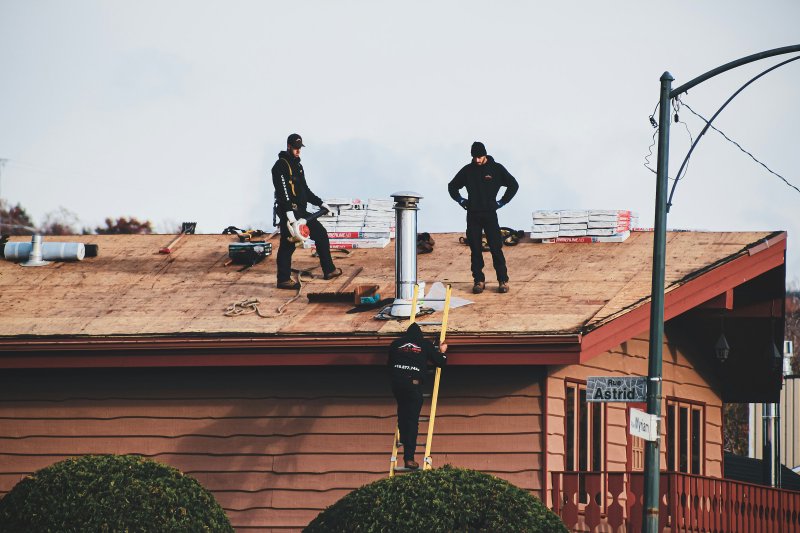
A new asphalt roof in 2026 costs $8,000 to $16,000 installed on a typical 2,000 sq ft single-story home, with most homeowners landing near $11,000–$13,000 for architectural shingles done right. That price covers tear-off of the old roof, ice-and-water shield at eaves and valleys, synthetic underlayment over the field, drip edge plus starter strip, ridge vent, and basic flashing replacement. Premium materials, steep pitches, or rotten decking push the number higher.
The catch is that “new roof cost” depends entirely on which material you pick and how the contractor structures the line items. A $9,000 quote and a $14,000 quote on the same house often install the same shingles. The difference is what’s actually included (tear-off, decking allowance, ridge vent, drip edge, ice-and-water at the eaves) versus what gets added at install day as a “discovered” charge. This guide breaks down the honest per-square price by material, what every quote should include, plus where contractors quietly cut corners.
What “new roof cost” actually means
Roofers price by the square. One roofing square equals 100 square feet of roof area. The first thing to know is that a 2,000 sq ft home does not have a 2,000 sq ft roof. Pitch and overhangs add 20% to 30%, so a 2,000 sq ft single-story ranch typically has 2,400 to 2,600 square feet of roof, or 24 to 26 squares. A two-story 2,000 sq ft home cuts that footprint roughly in half because the upstairs sits over the downstairs.
When you compare quotes, look at the dollar-per-square figure, not just the bottom line. A contractor quoting $400 per square on architectural asphalt is at the bottom of the market. $700 per square is mid-market with everything included. $1,000+ per square either means premium material or hidden margin. Metal, slate, tile, and synthetic composites run two to four times those asphalt rates.
The number that matters more than per-square is what’s bundled into it. Below, the line items every quote should include explicitly.
Cost by material, 2026 pricing
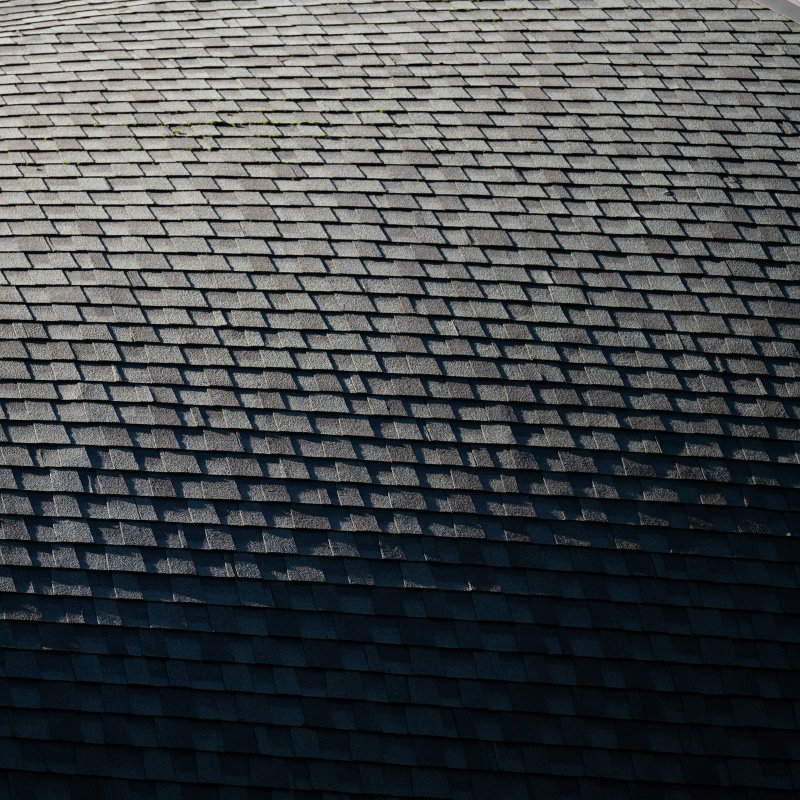
Five material families cover almost every residential roof in the U.S. They are not interchangeable, and the quote spread between them is wide enough that picking the wrong material for your house adds $20,000 you didn’t need to spend.
| Material | Installed cost (2026) | Lifespan | 2,400 sq ft total |
|---|---|---|---|
| Asphalt 3-tab | $3.40–$4.65/sq ft | 15–20 years | $8,000–$11,000 |
| Asphalt architectural | $4.50–$8.00/sq ft | 25–30 years | $11,000–$19,000 |
| Asphalt premium/designer | $5.00–$12.00/sq ft | 30–50 years | $12,000–$29,000 |
| Cedar shake | $5.50–$13.50/sq ft (budget) / $15–$25/sq ft (premium) | 30–40 years | $13,000–$60,000 |
| Synthetic composite (DaVinci, Brava) | $9–$20/sq ft | 50+ years | $22,000–$48,000 |
| Concrete tile | $7–$19/sq ft | 50–75 years | $17,000–$46,000 |
| Clay tile | $11–$25/sq ft | 75–100 years | $26,000–$60,000 |
| Synthetic slate | $8–$15/sq ft | 50–75 years | $19,000–$36,000 |
| Natural slate | $15–$30/sq ft | 75–150 years | $36,000–$72,000 |
| Standing seam metal (steel) | $10–$16/sq ft | 40–70 years | $24,000–$38,000 |
Architectural asphalt covers about 80% of residential reroofs in the U.S. for a reason. The price-to-lifespan ratio beats everything else, the install crews are everywhere, the shingles ship next-day, and the warranties are comparatively easy to register. Three-tab is mostly a relic at this point. Most reputable contractors won’t quote it because the labor is identical and the material savings ($1–$2/sq ft) don’t justify cutting the lifespan in half. Skip it unless you’re flipping the house in two years.
Metal pricing depends on gauge, coating, plus panel system; see our metal roof cost guide for the deep dive on standing seam vs corrugated, 24- vs 26-gauge, plus the PVDF vs SMP coating decision. The summary: $7–$12/sq ft for corrugated through-fastened panels, $10–$16/sq ft for residential-grade standing seam steel, $11–$17/sq ft for aluminum if you’re near saltwater.
Tile and slate sit in their own pricing tier because the labor is specialized and the structural load is meaningfully higher. A clay tile roof weighs 800–1,200 pounds per square versus 220–250 pounds for asphalt. Older homes often need framing reinforcement before a tile install. Budget another $1,000–$10,000 for engineering and structural work if you’re switching from asphalt to tile.
Tear-off vs overlay: when overlay actually makes sense
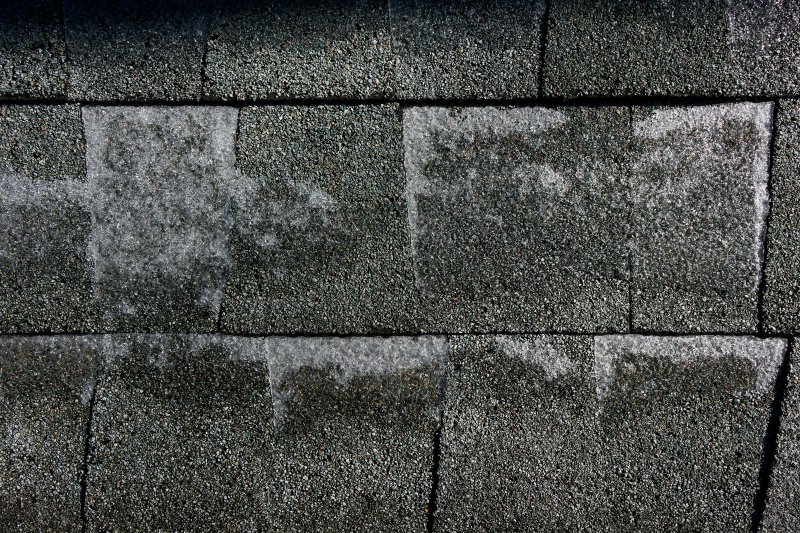
A tear-off strips the old roof down to the deck. An overlay nails new shingles on top of the existing single layer. The overlay saves 25%–40% upfront because the labor for tear-off, the dumpster rental, plus disposal fees all go away. It also cuts the new shingles’ lifespan from 25–30 years to 15–20, because heat trapped between the two layers cooks the top shingles from the bottom up.
Code allows a maximum of two total layers in most U.S. jurisdictions per IRC R908.3. If your existing roof already has two layers, tear-off is required. If it has visible sagging or soft spots or known decking damage, tear-off is required regardless of what the salesman tells you. Overlays also void most premium manufacturer warranties (Owens Corning, GAF, CertainTeed all require deck inspection at install).
The honest case for an overlay is narrow:
- The existing roof is a single layer
- It’s lying flat with no granule loss, no curling, no visible deck damage
- You plan to sell within 5–7 years
- The price gap between overlay and tear-off is $3,000+ on a small house
Outside that scenario, the math doesn’t work. Spending $9,000 on an overlay that lasts 17 years means $530/year. Spending $13,000 on a tear-off that lasts 28 years means $464/year, and you keep the warranty. Most reputable contractors won’t quote overlay anymore for liability reasons. If yours pushes one, ask why.
Line items beyond the shingles
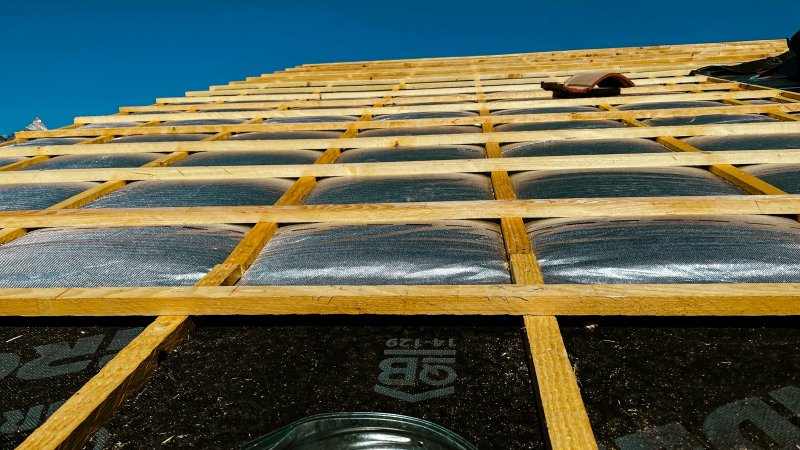
The shingles themselves run $90–$150 per square in materials. Everything else in the quote is labor, accessories, plus disposal. Underbidders win quotes by leaving line items out of the printed estimate and adding them on install day as “discovered.” A real quote itemizes:
- Tear-off and disposal: $1.00–$2.00/sq ft for single-layer asphalt; up to $4 with two layers or steep pitch. Includes dumpster rental ($300–$700) and dump fees.
- Decking replacement allowance: most quotes include 1–3 sheets of plywood at $40–$90 each. Beyond that, $2–$6/sq ft installed for additional decking. Roughly 10%–15% of homes need more than the included allowance.
- Ice-and-water shield at eaves and valleys plus penetrations: $0.85–$1.50/sq ft installed. Code requires it in cold-climate zones; smart contractors install it everywhere regardless.
- Synthetic underlayment over the field: $0.50–$1.50/sq ft installed. Replaces tar paper. Lighter, tougher, won’t tear under foot traffic during install.
- Drip edge at eaves and rakes: $1–$3 per linear foot installed. Most homes need 200–300 linear feet, totaling $250–$700.
- Starter strip and ridge cap shingles: usually rolled into the per-square price, but worth confirming. A “starter strip” of cut three-tab shingles at the eave is the budget version; pre-cut starter shingles are the standard.
- Step flashing at sidewalls and chimney: $200–$500 typical replacement. Reusing old flashing is a leak point that won’t show up for five years.
- Valley flashing (open-valley metal): $200–$850 depending on length.
- Ridge vent along the peak: $300–$650 added during a reroof. Retrofitting later costs $400–$1,000 because the ridge has to be cut open separately.
- Permit and inspection fees: $250–$500 in most jurisdictions.
Bundle these into per-square math and you get $150–$300 of accessories beyond the shingle price for an asphalt roof, which is why $400/sq quotes on architectural shingles are usually leaving something out.
The decking contingency nobody talks about
Tearing off shingles is also the first time anyone has actually seen your roof deck since the last reroof. Soft spots, rotted sheathing under old leaks, and degraded boards around chimneys are routine discoveries. Smart contractors price 1–3 sheets of plywood replacement into the original quote. Anything beyond that gets billed as discovered work at $90–$120 per sheet installed.
On a typical asphalt reroof, expect to add $200–$2,000 in decking repairs you couldn’t have predicted. About 1 in 7 homes needs $1,500+ in deck work. The contractor isn’t gouging when they call from the roof at 11 a.m. on day one with a number — they genuinely couldn’t see the rot until the shingles came off.
The dangerous version of this conversation is the contractor who proposes shingling over the soft deck because “it’s mostly fine” and the homeowner doesn’t want the surprise charge. That’s how leaks reappear inside two seasons and how warranty claims get denied. Premium warranty programs from Owens Corning, GAF, plus CertainTeed all require sound decking documented at install for warranty registration. Skipping the deck repair saves $1,500 today and costs you the entire warranty.
Ventilation: the reset opportunity most reroofs waste
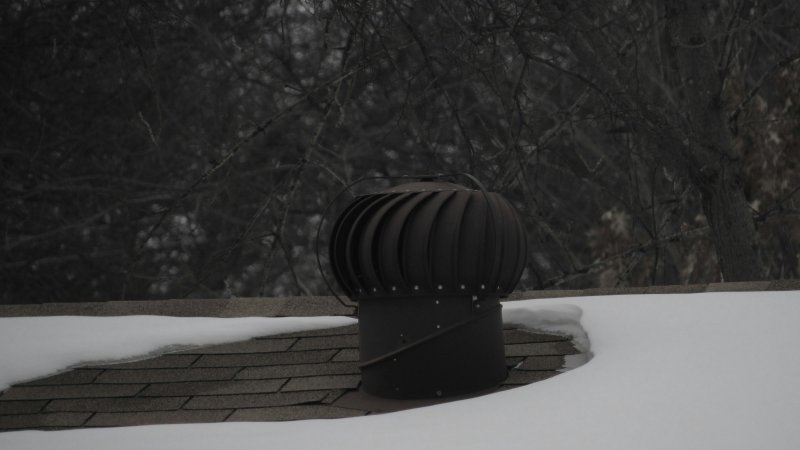
A reroof is the cheapest moment in your house’s life to fix attic ventilation, and most homeowners miss it. Adding a continuous ridge vent during a reroof costs $300–$650 because the ridge is already cut open. Adding the same ridge vent retrofit two years later costs $400–$1,000 because it has to be cut open again.
Proper ventilation needs two parts: intake at the soffits and exhaust at the ridge. Without continuous soffit intake, a ridge vent doesn’t work — it just creates negative pressure that pulls conditioned air out of the house. A good contractor will inspect soffit airflow during the tear-off and quote any necessary upgrades (perforated soffit panels, baffles between rafter bays). Budget another $400–$1,500 if soffit intake needs work.
Per DOE cool roof guidance , proper attic ventilation reduces summer cooling load by extending shingle lifespan and stabilizing attic temperatures. Roofs with no ridge vent or blocked soffits routinely fail at 15–18 years instead of 25–30. The signal is curling shingles concentrated at the south slope, where the temperature differential is highest.
Where the contractor’s money actually goes
Labor accounts for 50%–65% of total project cost on an asphalt reroof and materials 30%–40%; disposal, permits, plus overhead split the remainder. On a $13,000 architectural shingle replacement:
- $6,500–$8,500 labor (crew of 3–5 for 1–2 days)
- $4,000–$5,200 materials (shingles, underlayment, ice-and-water, drip edge, ridge vent, flashing)
- $400–$700 dumpster and disposal
- $250–$500 permit
- $1,000–$2,000 overhead, insurance, warranty registration, profit
The crews doing residential asphalt work typically clear $30–$50/hour gross including taxes and benefits, and the company adds 30%–50% margin on top. When a contractor offers a $2,000 discount for “cash today,” they’re either eating into install quality (skipping ice-and-water, reusing flashing, junk underlayment) or skipping permit and warranty registration. Both are short-term wins and long-term losses.
Red flags in roofing quotes
Several patterns separate honest quotes from underbids that will renegotiate at install.
The first is the phone-only or door-knock quote. Estimates that skip the site visit are wrong half the time on square footage and almost always miss the access challenge. The renegotiation happens on install day when your $9,000 quote becomes $14,000 because “the roof is bigger than expected.” Always make the contractor walk the perimeter and ideally climb a ladder before pricing.
Vague material specs are the next tell. “Premium architectural shingles” is not a product. A real quote lists the manufacturer (Owens Corning, GAF, CertainTeed, Atlas, or Malarkey are the major players), the specific product line (Duration, Timberline HDZ, or Landmark Pro), color, plus warranty registration. If the contractor won’t put it in writing, walk.
Lump sums instead of line items are the third. A $13,000 quote with no breakdown means the contractor can swap any line item for cheaper without renegotiating. Real quotes itemize tear-off, ice-and-water linear feet, ridge vent linear feet, deck allowance, plus disposal as separate dollar lines. Vague quotes underbid by 10%–20% and renegotiate at install.
A few more worth watching for:
- A pre-replacement roof inspection at $175–$275 catches deck damage and ventilation issues before crews arrive. Skipping it benefits the contractor, not you.
- “Lifetime warranty” claims with no transferability clause. Non-transferable warranties die when you sell the house. Premium asphalt warranties typically transfer once if registered within 60 days of install. Confirm in writing.
- Subcontractor language buried in fine print. Many companies sell the job and assign whichever crew is cheapest that week. Ask whether the bidding company’s W-2 employees do the install. The answer matters.
- Down-payment demands above 30%. Reputable contractors take a 25%–33% deposit and bill the balance on completion. Demands for 50%+ upfront, or “needs the cash to buy materials” framing, signal cash-flow trouble or worse.
Bottom line
For most homeowners, the honest budget for a new architectural asphalt roof in 2026 is $11,000–$16,000 installed on a 2,000 sq ft home, with another $1,000–$2,000 in decking contingency held back. Three-tab can come in cheaper around $8,000, but the per-year math rarely justifies it. Going cheaper usually means cutting line items that matter. Going more expensive usually means premium material on a roof that didn’t need it.
If you’re considering metal or tile or slate, the math only works if you’ll be in the house long enough to amortize the upfront premium, typically 25 years or more. For a 5–10 year hold, architectural asphalt with a 30-year warranty registered to you is almost always the right call. Get three quotes, compare line items not totals, and put the deck contingency conversation on the table before signing.