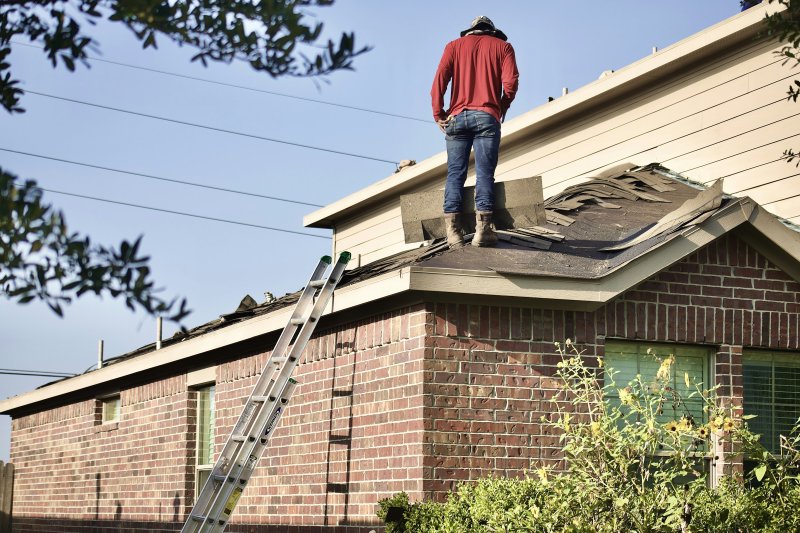
A roof inspection in 2026 costs $175 to $275 for a standard walk-on inspection, $225 to $375 with drone assist, and $400 to $600 for infrared moisture scanning. The national average lands near $248 per Angi’s contractor data. What you’re actually buying is risk transfer: whoever signs the report becomes the person liable when the insurer denies a claim or the buyer’s lawyer asks why a 22-year-old roof was sold as “good condition.”
Most homeowners overpay for the wrong inspection or skip the one they actually need. This guide separates the four legitimate use cases (annual maintenance, post-storm, real estate, warranty compliance) and tells you which inspection method makes sense for each.
Cost by inspection type
Five inspection methods exist; only three matter for residential homes.
| Inspection type | 2026 price range | Typical use case |
|---|---|---|
| Standard visual (walk-on) | $175–$275 | Annual / biannual maintenance |
| Drone-assisted | $225–$375 | Steep slopes, high roofs, fragile materials |
| Infrared / thermal | $400–$600 | Hidden leak diagnosis, flat roofs |
| Attic-only add-on | $200–$500 | Combined with visual when buying |
| Roof certification | $75–$200 | Real estate closing, warranty transfer |
The price spread inside each row is mostly square footage and pitch. A 1,500 sq ft single-story ranch with a 4/12 pitch sits at the bottom of the range. A 3,500 sq ft two-story with cut-up valleys plus dormers and a 9/12 pitch hits the top, sometimes pushing past $600 when the inspector charges hazard pay for steep-slope harness work.
A few cost levers worth knowing. Tile and slate roofs add $100–$200 because the inspector typically walks adjacent surfaces only and uses a drone for the field; broken tiles are expensive to replace. Three-story homes add $50–$150 for ladder logistics. Roof certifications are the cheapest line on this list because the contractor is hoping to win the replacement bid. The $75 quote is loss-leader pricing.
When you actually need one
Homeowners get oversold on roof inspections. Honest triage below.
Annual or biannual inspections make sense once your roof passes year ten of its expected lifespan. The NRCA recommends spring and fall: spring catches ice damage and winter wind lift, fall catches summer UV degradation before snow load. If the roof is under ten and you haven’t had a major storm, an inspection every two to three years is plenty. Don’t let a contractor talk you into a quarterly schedule unless you’re under a coastal warranty that requires it.
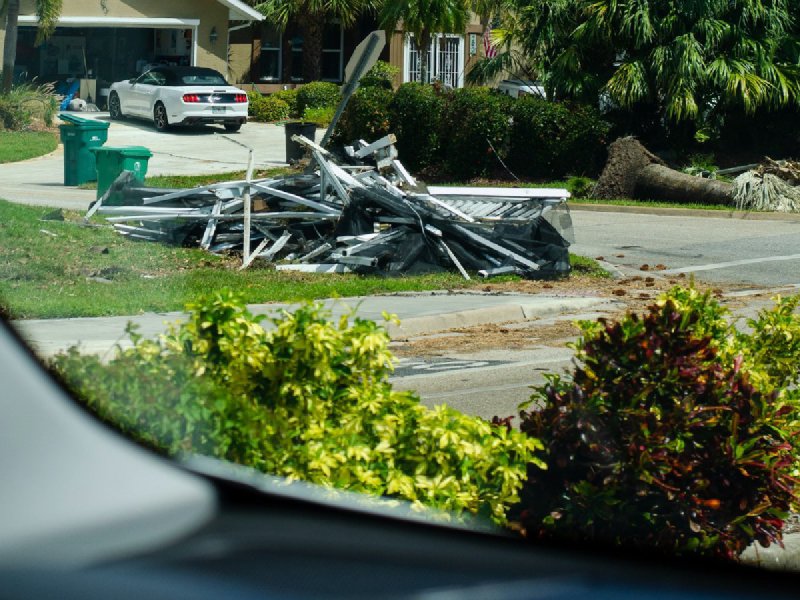
Post-storm inspections are the one situation where speed beats price. Most homeowners insurance policies require notification of storm damage within 60 days of the event, and full claim filing within 6 to 12 months (some carriers extend to 24, but you can’t bank on it). The trap: hail damage often doesn’t leak for 6–18 months. Granule loss accelerates UV degradation, water finds a path through bruised but intact-looking shingles, and by the time you call, the adjuster argues the damage worsened from neglect. Get the inspection within 30 days of any hail event or sustained 50+ mph winds, even if you see nothing from the ground.
Real estate inspections are the fork most buyers get wrong. The home inspector you hire for $400–$600 is operating under InterNACHI’s Standards of Practice , which permit roof evaluation “from ground level or the eaves.” That’s the legal standard. Many home inspectors meet it with binoculars from the lawn. To get someone on the roof lifting shingles and checking flashing, hire a separate roofing-specific inspector and ask for a written certification, not just a section in the home-inspection report. The certification is what underwriters and future buyers will ask to see.
Warranty compliance is the use case nobody mentions. Owens Corning, GAF, CertainTeed, and Atlas all require documented professional inspections to keep extended warranties valid. Coastal warranties get aggressive, often demanding inspections every 3 to 6 months with timestamped photos. Skip a year and the manufacturer denies the next granule-loss claim, leaving you with a partial-coverage shingle problem that costs $4,000–$8,000 to fix on a roof that should have been free.
Drone vs walk-on: when each one wins
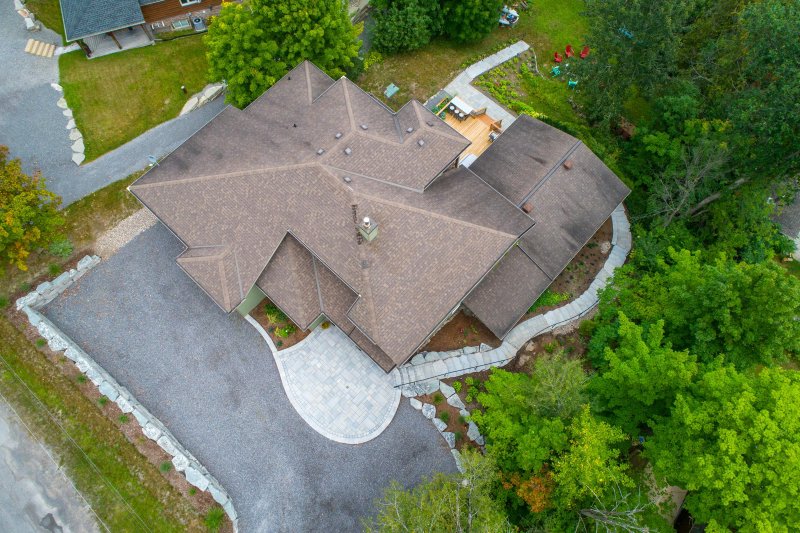
Drone inspections are the loudest sales pitch in the industry right now and the most oversold service on the menu. Here’s where the math actually works.
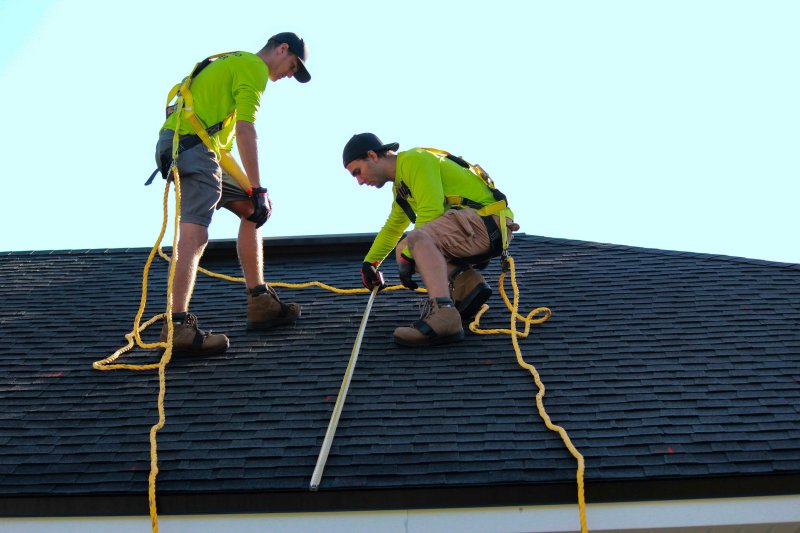
Drones win on three fronts: safety (roofers have the highest fatal-fall rate of any occupation per BLS data, and falls are the second-leading cause of workplace deaths overall), speed (15–30 minutes of flight time vs 1–3 hours of walk-on), and access to surfaces no one should walk on (slate, clay tile, 12/12 pitches, fragile metal panels).
Drones lose on everything tactile. A drone cannot lift a shingle to check the seal, press a soft spot to test deck integrity, separate flashing to look for hidden tears, or feel the give of a popped nail through a sole. These are exactly the problems that cause leaks. A roof can photograph beautifully from 40 feet up and still have rotted sheathing under intact shingles.
The right protocol: drone first, walk-on second. A pilot flies the field and produces a heat-mapped report flagging suspect areas. The inspector then walks only the flagged sections, which cuts walk time and reduces granule damage from foot traffic on older shingles. If a contractor offers drone-only for the same price as walk-on, ask what happens when a leak shows up six months later. Most won’t stand behind a drone-only inspection for warranty purposes.
Inside a real inspection report
If your inspector hands you a one-page checklist with “PASS / FAIL” boxes, you got a sales call, not an inspection. A legitimate report runs 8 to 20 pages and includes:
- Photos of every slope, valley, plus every penetration with date stamps
- Specific findings keyed to a roof diagram (not “some flashing damage” but “northeast valley flashing, 18-inch corrosion line, photo 14”)
- Estimated remaining service life with reasoning (granule loss percentage, observed wear pattern, attic ventilation assessment)
- Repair vs replace recommendation with cost ranges
- Inspector license or certification number
- Compliance notes if the roof is under an active manufacturer warranty
Watch for the items home inspectors and quick certifications skip: the attic check (sheathing condition, ventilation, signs of condensation), the flashing audit at chimneys plus skylights, valleys, and sidewalls (which cause more leaks than shingles do), and the fastener spot-check (popped nails on a 15-year-old roof are a wind warning, not cosmetic).
The IKO checklist most quality inspectors follow covers blistered or curled shingles, broken seals, excessive granule accumulation in gutters, rusty flashing, sagging ridges, chimney cracks, plus dry-rotted rubber pipe boots. Inside the attic the inspector should be looking at sheathing cracks, sagging decking between rafters, daylight penetration, condensation, plus wet insulation. If your report doesn’t reference at least eight of those items, ask why.
Hiring an inspector: what to verify
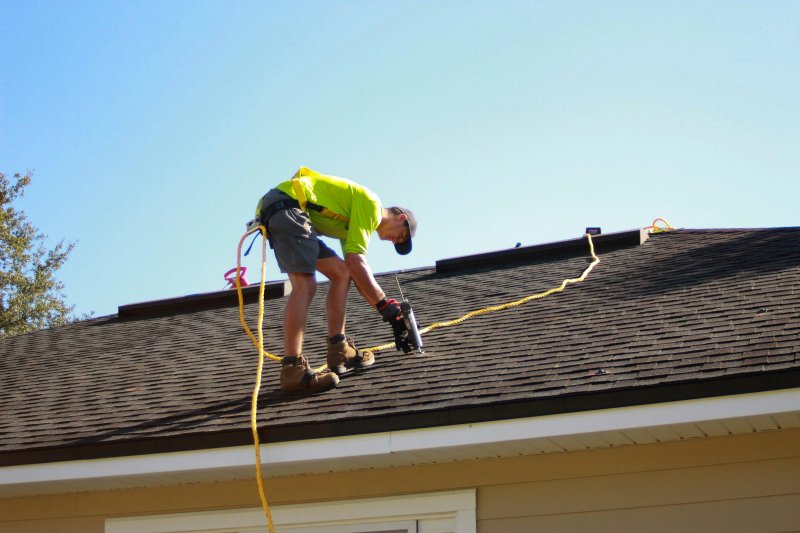
Three credentials worth checking, in this order.
State roofing license. Most states license roofing contractors but not roof inspectors specifically. A licensed roofer doing inspections is a known quantity. They carry liability insurance and the state can pull their license for fraud.
InterNACHI or HAAG certification. HAAG-certified inspectors specialize in storm damage and are what insurance adjusters trust. If you’re filing a hail claim, hire a HAAG inspector. The report carries weight in disputes.
Manufacturer factory certification. GAF Master Elite, Owens Corning Platinum Preferred, and CertainTeed SELECT ShingleMaster certifications mean the inspector knows what each manufacturer’s warranty actually requires. This matters if you’re trying to keep an extended warranty alive.
Avoid any contractor who quotes the inspection free in exchange for showing you “what they found up there.” That’s a sales lead, not an inspection. The same goes for door-knockers after a hailstorm offering free inspections. Many are storm-chasers who exaggerate damage to drive insurance work and disappear when the claim gets contested.
FORTIFIED designation: niche but valuable
If you live in a hurricane or hail belt (Alabama, Mississippi, Louisiana, the Carolinas, parts of Oklahoma plus Texas), the IBHS FORTIFIED Roof program is worth knowing. A FORTIFIED Roof designation requires three upgrades during installation: a sealed roof deck, ring-shank nails in an enhanced pattern, plus a wider drip edge with a fully-adhered starter strip. Designation runs five years before re-inspection.
The payoff is insurance. Discounts vary widely by carrier, state, and territory — Gulf and Southeast carriers commonly offer 20% to 50% reductions on the wind portion of the premium. On a $3,500 annual policy, that’s $700 to $1,750 yearly depending on your carrier. Re-evaluation costs roughly $200 to $500, a strong ROI if your carrier participates. As of November 2025, IBHS requires that the inspecting evaluator hold an active FORTIFIED Wise Roofing Contractor listing, so verify the credential before paying.
If you’re outside the FORTIFIED footprint, the program won’t help you. Insurers in non-participating states don’t recognize the designation.
What to do next
Pick the inspection that matches your actual situation. Most owners need a standard walk-on every year or two for $175–$275. After any hail or high-wind event, get one inside 30 days regardless of visible damage. Before closing on a home, pay the extra $75–$200 for a roof-specific certification on top of the home inspection. If you have an extended manufacturer warranty, pull the document this weekend and confirm the inspection cadence. Coastal owners especially are losing claims they could have won with paperwork.
If the inspection flags real problems, the next decision is repair-versus-replace pricing — see our roofing cost guides for related breakdowns as they’re published.