A working smart home security system in 2026 costs $100–$600 in DIY hardware with no monthly fee, $300–$700 plus $10–$32 a month for DIY with professional monitoring, or $600–$3,000 plus $25–$60 a month for pro-installed systems like ADT and Vivint that lock you into a 3- to 5-year contract. The hardware tier you need is mostly determined by the size of your home and whether you want video; the monitoring tier is determined by whether you’ll actually answer the app alert yourself.
That’s the whole pricing picture. The rest of this guide is about which choice fits your house, plus the platform decision most other articles skip.
The four cost layers
Smart home security pricing has four layers. Other guides blur them together, which is how a $200 system ends up costing $3,000 over five years.
| Cost layer | DIY range | Pro-install range | Notes |
|---|---|---|---|
| Hardware (starter kit) | $100–$600 | $600–$3,000 | Hub, keypad, sensors, optional cameras |
| Installation | $0 (self) | $100–$200 (often waived with contract) | DIY kits use peel-and-stick adhesive |
| Monitoring | $0–$32/mo | $25–$60/mo | Self-monitoring vs 24/7 central station |
| Contract | None | 36–60 months | Early-termination fee = remaining months |
The pro-install tier costs extra for one specific reason: a technician comes out, drills the wall mounts, and the brand assumes liability for the install. That’s worth something for a 4,000 sq ft home with hardwired smoke detectors and complex zoning. For a 1,500 sq ft house with three exterior doors, it’s a $2,000 premium for work you can do with a screwdriver.
DIY hardware: what each kit covers
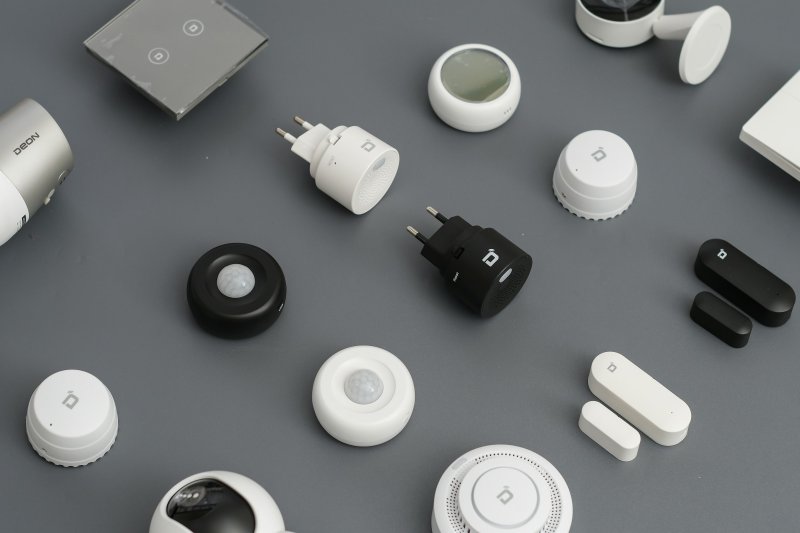
Five DIY brands cover almost the entire 2026 market. Pricing reflects starter packages straight from manufacturer pages.
| Brand | Starter price | Best for | Notable trade-off |
|---|---|---|---|
| Wyze | under $100 | rock-bottom budget | thin support, past security incidents |
| Eufy | $159.99 | local storage on cameras | weaker sensor lineup |
| Abode | $178.99 | renters, Apple HomeKit users | smaller third-party device list |
| Ring Alarm | $200–$300 | existing Ring doorbell owners | full features need Ring Protect Pro |
| SimpliSafe | $250 | most homeowners, balanced default | sensors are SimpliSafe-only |
A few notes the table can’t capture. Wyze’s $25 cameras are the cheapest 1080p devices that actually work, but the brand’s 2023 thumbnail-leak incident is still the reason it’s not the obvious recommendation. Eufy’s HomeBase 3 stores camera clips locally, so you don’t need a cloud subscription to look back at last night, which is rare in this category. Abode is the only major DIY brand with full HomeKit Secure Video support, and its tools-free install (no drilling) makes it the rental-friendly pick. Ring Alarm only earns its keep if you already have Ring doorbells; otherwise the ecosystem lock-in cuts both ways. SimpliSafe is what most homeowners should buy if they aren’t sure: largest sensor lineup, optional pro install at $124.99, monitoring from $22.99 to $31.99 a month, no contract.
A complete DIY system for an average single-family home (hub, keypad, six entry sensors, two motion sensors, two cameras, a doorbell, plus one smart lock) lands at $400–$700 across any of these brands.
Pro-install: ADT, Vivint, and the contract math
ADT and Vivint sell installation as a feature. Both have legitimate strengths. Vivint’s panel and integrated cameras are genuinely well-built. But the pricing requires arithmetic.
ADT bundles start at $269 with $24.99/month monitoring on a 36-month contract. Pro install runs around $100. Total 36-month commitment: roughly $1,270 ($269 starter + $100 install + $24.99 × 36) before any equipment add-ons.
Vivint starter kits begin at $599 with monthly fees from $29.99 to $49.99 on contracts of 42 to 60 months. Most real-world Vivint quotes land between $1,500 and $3,000 in equipment. A typical 5-year Vivint commitment looks like $1,500 + ($40 × 60) = $3,900 all-in.
The same coverage from SimpliSafe with standard monitoring: $250 + ($22.99 × 60) = $1,629 over five years, no contract, cancellable any month.
Mounting a sensor with adhesive is something most homeowners can do, so the pro-install premium is paying for the contract, not the install. One real exception: if you want hardwired smoke and CO detection tied into a single panel, professional installation is the cleaner path. It bundles inspection plus warranty coverage on the wiring, and sometimes pulls the permit for you.
Pick the platform first
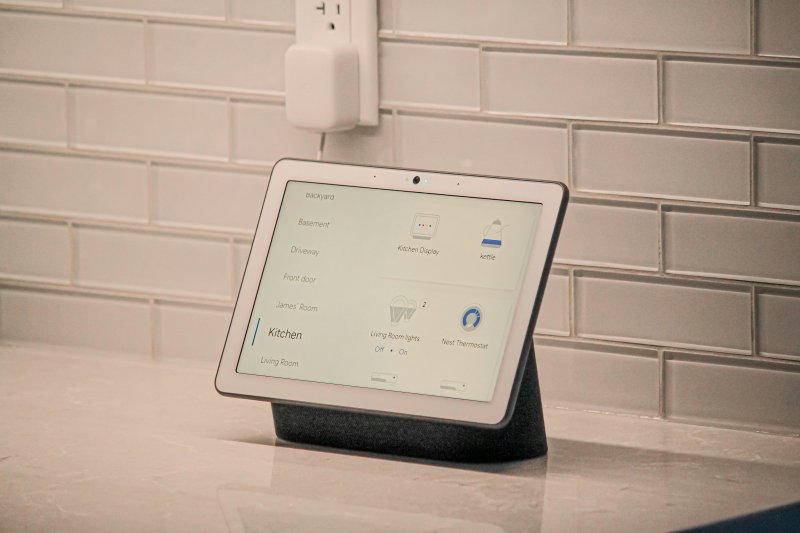
This is the part most guides get wrong. Hardware brand matters less than which smart home platform you commit to, because the platform determines what you can add over the next decade.
| Platform | Strength | Weakness |
|---|---|---|
| Amazon Alexa | broadest device compatibility | weakest privacy story |
| Google Home | predictive automation, deep Nest integration | requires Google account everywhere |
| Apple HomeKit | local processing, strongest privacy | narrowest device list |
| Samsung SmartThings | most cross-brand interoperability | configuration friction |
| Home Assistant | open source, fully local control | steep learning curve |
A few non-obvious points. Alexa has roughly twice the certified device list of HomeKit, which matters when you want a $9 smart plug from a no-name brand. HomeKit runs many automations on your Apple TV or HomePod without leaving your network, which is the right pick if data leaving your house bothers you. SmartThings is “the hub other hubs talk to,” useful if you’re mixing Z-Wave, Zigbee, and Matter under one roof. Home Assistant runs on a Raspberry Pi or NUC and controls almost anything, but you’ll be writing YAML on a Saturday afternoon at some point.
Matter is closing the platform gap, but slowly. A 2026-rated Matter device works across Alexa, Google, HomeKit, and SmartThings. A pre-2024 Z-Wave sensor still does not. Buy Matter where you can, and accept that platform commitment is a 5-year decision.
Hub or no hub
Some systems require a hub: SimpliSafe Base Station, Ring Alarm hub, Abode Iota. Others operate device-to-cloud over WiFi, like most Wyze cameras and individual smart plugs.
Hubs are worth the extra $50–$150 for one reason: when your internet drops, hub-based systems still arm, disarm, and trigger sirens locally. The hub also speaks Z-Wave or Zigbee, which lets you add cheap, battery-efficient sensors that don’t burn WiFi addresses or chew through router capacity. A 30-sensor home on pure WiFi is a router-stress nightmare.
Skip the hub only if you have under five devices and don’t care about offline operation.
Cameras: PoE vs WiFi
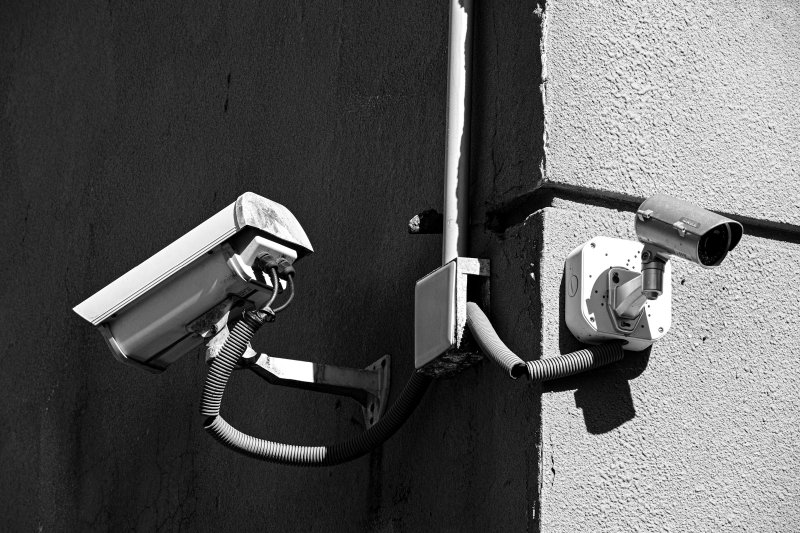
This is the most consequential reliability decision after the platform choice. WiFi cameras dominate DIY because installation is one screw and a power outlet. PoE (Power over Ethernet) cameras require running cable through walls. The trade-offs are clear once you list them.
| Factor | WiFi camera | PoE camera |
|---|---|---|
| Install effort | Trivial | Requires cable runs |
| 4K reliability | Compresses on busy networks | Dedicated bandwidth, stable |
| Power | Outlet or battery | One Ethernet cable does both |
| Outage behavior | Down with WiFi | Works on local NVR if WiFi drops |
| Jamming/interception risk | Higher | Negligible |
| Cost per camera | $30–$200 | $80–$300 + switch |
For one or two cameras at the front and back doors, WiFi is fine. For four-plus cameras around a property, especially anything you actually plan to record continuously, PoE pays back within a year in reliability. Run conduit during any other wall-opening project (re-roofing, siding work, an electrical panel upgrade, or a kitchen remodel) and you’ll never regret it.
Where systems quietly fail
A few things every cost guide skips:
- ISP outages take the whole system offline unless you have cellular backup. Confirm the hub has an LTE module and that the brand’s monitoring plan includes it. SimpliSafe Pro Premium and all ADT/Vivint plans do; cheaper tiers often don’t.
- False alarms cost money. Most municipalities charge $50–$200 per false police dispatch after the first one. Pro-monitored brands typically call you before dispatching to verify, which is the actual value of professional monitoring versus self-monitoring with phone alerts.
- Auto-renewal contracts are standard at ADT and Vivint. Read the renewal clause. Many roll month-to-month after the initial term, but some renew for another year automatically if you don’t cancel in writing 30 days before the end date.
- Bandwidth. Each 1080p WiFi camera consumes 1–2 Mbps of upload bandwidth on motion events. Four cameras and a 25/3 Mbps cable plan will saturate your upload during a UPS delivery.
- Signal jamming and battery sabotage are real but rare. Look for systems that send a tamper alert if a hub loses cellular signal mid-event. That single feature catches the most common bypass technique. UL 827 certified central stations include this monitoring as a baseline.
Certifications worth knowing
UL 681 covers installation and classification of burglar and holdup alarm systems. UL 827 covers the central monitoring station itself: staffing, communication, signal processing, backup power. A “UL-listed” system means the equipment meets UL 681; a “UL-certified” install with a UL 827 monitoring station means the entire chain has been audited.
Most DIY brands aren’t UL-listed at the system level (the components might be), and that’s typically fine for self-monitoring. If your insurance carrier requires UL certification for a discount, and some do, ranging from 5% to 20% off the homeowners premium, confirm with your agent which standard they want before buying.
A defensible default setup
For the typical 2,000 sq ft home with two adults who answer their phones:
- Hub: SimpliSafe Base Station ($250 starter kit) or Abode Iota if cameras matter more than sensor count
- Sensors: brand-native, six to eight entry, two motion
- Cameras: two Eufy outdoor cams (local storage on HomeBase 3) or Ring if a doorbell is already in use
- Doorbell: any Ring or Nest with a hardwired transformer, not battery
- Monitoring: SimpliSafe Standard at $22.99/month for the cellular backup and police verification calls
- Total: ~$550 hardware, ~$276/year monitoring
Skip Vivint unless you want a single technician doing the whole job and don’t mind a 5-year contract. Skip Wyze unless budget is the only thing that matters. The middle is where most homeowners belong.
For a deeper breakdown of monitored alarm pricing, see our home security system cost overview as that hub fills out.